 Wired868 Wired868 for smart sport news and opinion
Having just celebrated 64 years of independence, discussions as to whether Trinidad and Tobago is better off since gaining independence and if T&T could have done better have been at the fore.
I have decided to add my voice to this debate for two reasons.
First, as assistant professor at the University of Warwick, I currently lead a research project which examines the economic history of four countries in the region, including Trinidad and Tobago. I have also been researching our post-independence economic progress for a number of years.
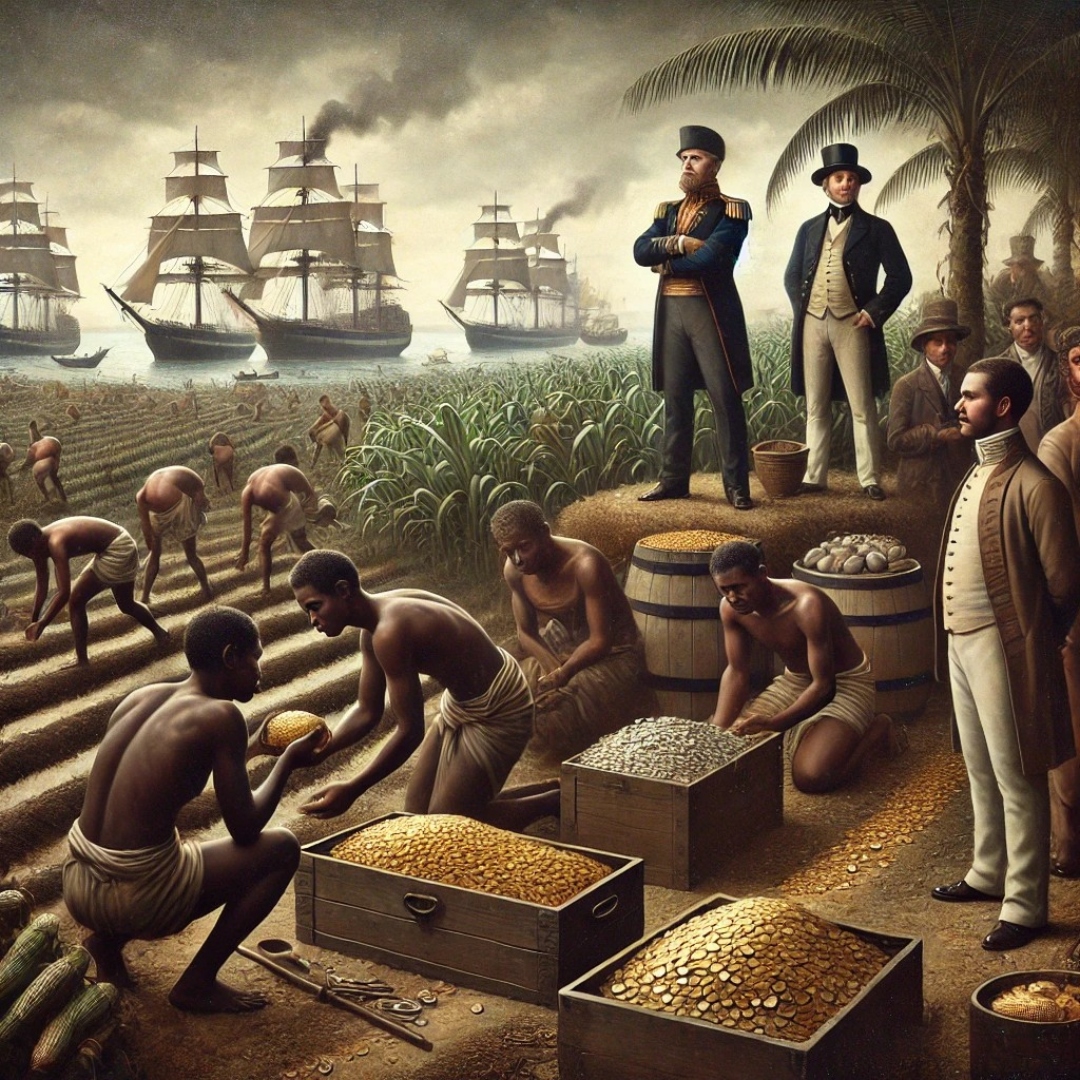
And second, I believe that if we do not understand (or misrepresent) our development journey, we cannot learn and improve.
This piece (part one of three) will deal with the undisputed fact that Trinidad and Tobago is better off today than it was in 1962. In a follow-up piece, I will discuss the policies that helped to achieve success since 1962.
And in a third and final instalment, I will give my assessment on where we have gone wrong and what we can do better going forward.
In Trinidad and Tobago of the 1930s, the economy was in decline, wages were low, and workers faced poor working conditions. Standards of living were generally low for the majority. These conditions made way for the labour riots—starting with the Butler Riots in 1937, which spread throughout the region.
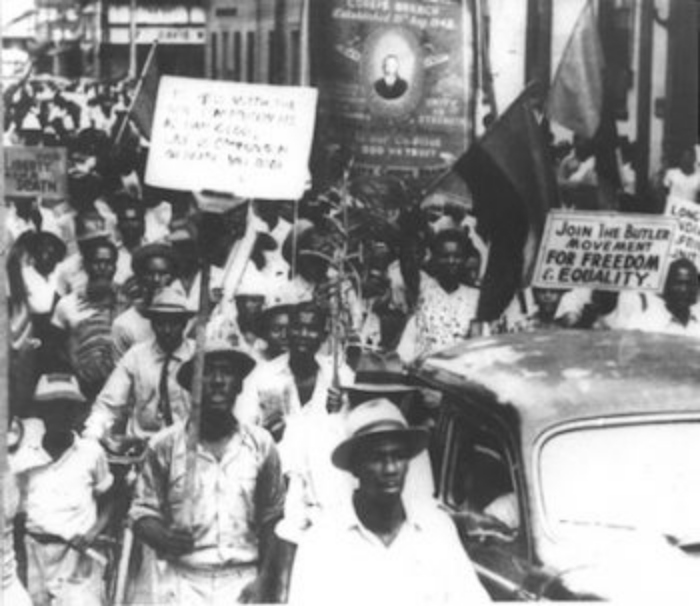
In response to this, the Imperial Government sent a royal commission to investigate and report on the situation in the British West Indies. The findings of this were published in the influential Moyne Report.
The Moyne report pointed to lack of diversification and the fact that estates held a significant share of fertile land. The report also noted malnutrition, relatively high infant and maternal mortality, ill-health and diseases, poor health services, and very limited education among the masses.
It attributed these challenges to decades of colonial neglect. These were the conclusions of the British on their own management of Trinidad and Tobago.
The Moyne Report recommended increased expenditure for social development through the establishment of the West Indian Welfare Fund. This brought some improvement, but conditions at independence were still below desirable standards.
In fact, as ANR Robinson notes in The Mechanics of Independence (page 59) there were “demands for immediate change” by the population at Independence, as the vast majority felt excluded and neglected in the development process.
At Independence in 1962, GDP per capita was around US$700. This is about US$7,000 in today’s money. We would have been classified as a middle-income country by the World Bank if such classifications existed then.
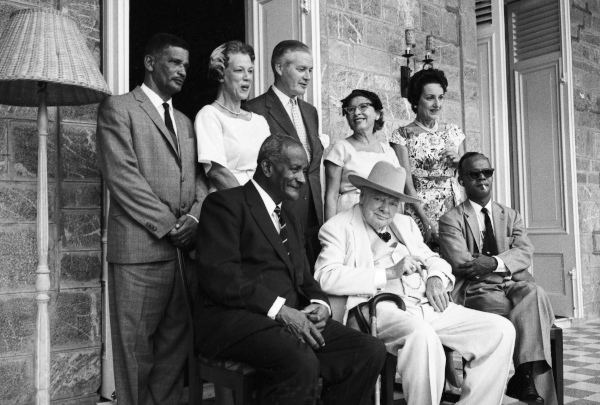
Churchill was holidaying in the Caribbean on Aristotle Onassis’s luxury yacht ‘Christina’.
(Copyright AP Photo.)
In 2025, GDP per capita was US$18,900. We are considered a high-income country now. We have more than doubled our real per capita income—the crudest measure of economic performance.
Secondary education was made free in 1961 under the Dr Eric Williams-led government. This means that in 1962 the vast majority of the adult population did not have secondary education. According to World Bank estimates, 70% of the working age population had some form of vocational or academic post-secondary education in 2024.
Unemployment has fallen too. This was 13% in 1969 (the earliest year with available data). The unemployment rate now hovers around 4-5%.
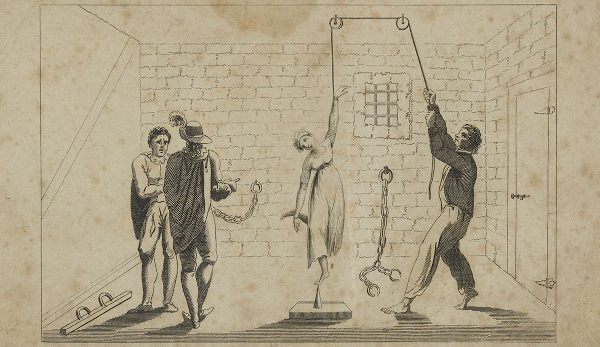
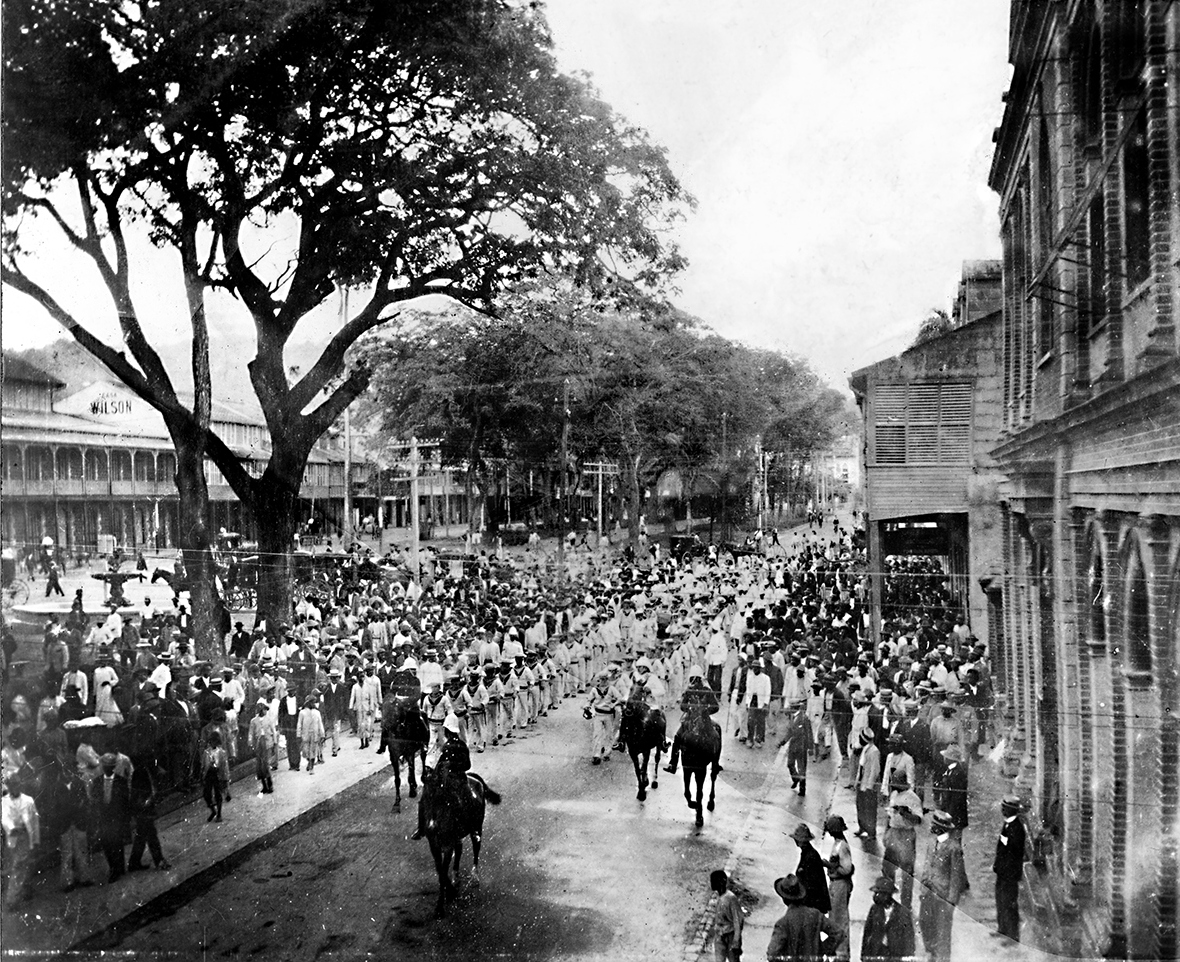
Picton, a former Trinidad governor, was renowned for his “excessive cruelty” in the colonies and was initially found guilty of Calderon’s torture–only to prevail on appeal.
A prominent street in Port of Spain is still named after him.
The health data tell a similar story. In 1962, the infant mortality rate was 59 deaths per 1,000 live births. This is now around 17 per 1,000 live births.
Life expectancy at birth increased from 63 years in 1962 to 74 years in 2024.
From the data, we have higher output per person, we are more educated/trained, are more likely to find work, babies are less likely to die at birth, and people live longer on average. Therefore, one can reasonably conclude that Trinidad and Tobago today is far more developed than when the British left.
Could we have done better? Of course we could.

Photo: Allan V Crane/ Wired868.
In my opinion, T&T continues to achieve below its potential. We are that student with very high ability, who simply does not put in enough work to convert talent into results.
Could we have been like Singapore? (An often-made comparison.) Perhaps. But to be like Singapore we would have to accept the political and economic structures that come with that model of development.
Singapore has been led by the same party since its independence in 1965. It is de-facto a one-party state. One implication, though, is policy continuity across successive administrations.

Photo: The Abroad Blog.
We suffer from lack of policy continuity in T&T. The scrapping of the TTRA is the most recent example of this.
Singapore also has an incredibly strong state presence in nearly all aspects of the economy. T&T moved away from this model during the structural adjustment years in the late 1980s-1990s and there does not seem to be appetite to return to this.
And what about Dubai? One cannot forget that Dubai and six other Emirates chose unification at independence in 1971-72, under the banner of the United Arab Emirates (UAE).
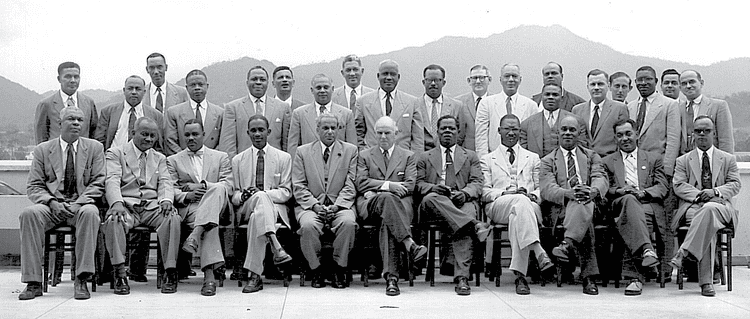
Our attempt at Federation collapsed. Countries of our region decided to face the big world alone, despite our small size.
Narratives may change, but the numbers seldom lie. We should be proud of our progress, while also wanting better.
Editor’s Note: Part two will discuss the policies that helped to achieve success since 1962. Stay tuned.
“[…] To the ‘UNC family’ she offers the old tired hymn: lagoons, cane fields, salt and rice, ponds and springs—the Read more

Some years ago, I lived and worked in Sierra Leone. I arrived in the capital, Freetown, just ten years after Read more
In October 1995, I was part of a fellowship offered by the Committee to Protect Journalists. A dozen or so Read more
“[…] Neither African nor Indian communities benefit from this… In cases where division arises unintentionally, accountability must fall on leaders, Read more

A few years ago, Michal Teja captured hearts and titles with his hit song, DNA. At the time, I was Read more

Three thousand dollars a month. That’s the minimum National Insurance pension a citizen receives after a lifetime of work. It’s Read more

Dr Jamelia Harris is an economist and Assistant Professor at the University of Warwick. She studies and has written on the labour market, public finance and development policy in Africa and the Caribbean. She is a double President’s Medal recipient and holds a PhD from the University of Oxford.
