 Wired868 Wired868 for smart sport news and opinion
Looking for a document amongst my stack of old papers, I came across a column I had written in April 1998 for The Independent, a paper whose closure I still mourn.
It began playfully enough, with me saying that my four-year-old daughter proudly proclaims herself to be West Indian:
“Ambitious lass that she is, she’s announced that she’s going to marry Brian Lara when she grows up because she wants to be queen of the West Indies.”
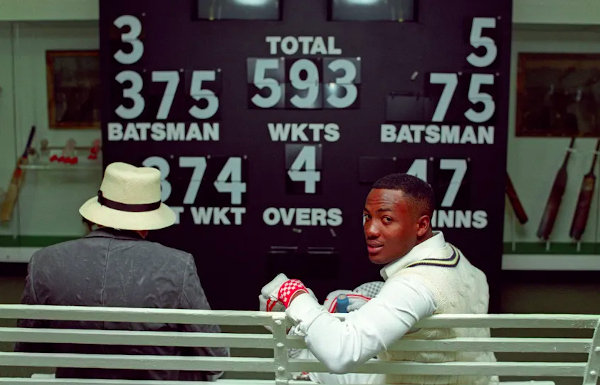
Lara would break the record again, 10 years later.
(Copyright ICC.)
I’d put it aside to read, and mostly to show her what her ambition was 27 years ago, but as I looked at it, I was struck by the notions of identity—especially a regional one—that was at the core.
I’d started off taking responsibility for “filling the child’s head with notions of her West Indianness”, and intentionally showing her regional maps and telling her a little bit about our islands.
It was deliberate I said: “because I believe it is her birthright, and thus she is entitled to it, every much as I am.”
It makes me think of how much I had learned in primary school about such things during the social studies classes. And I firmly believe that the removal of such lessons from the education system has been a devastating factor in the absence of civic-mindedness and the pervasive indifference to the concept of community.
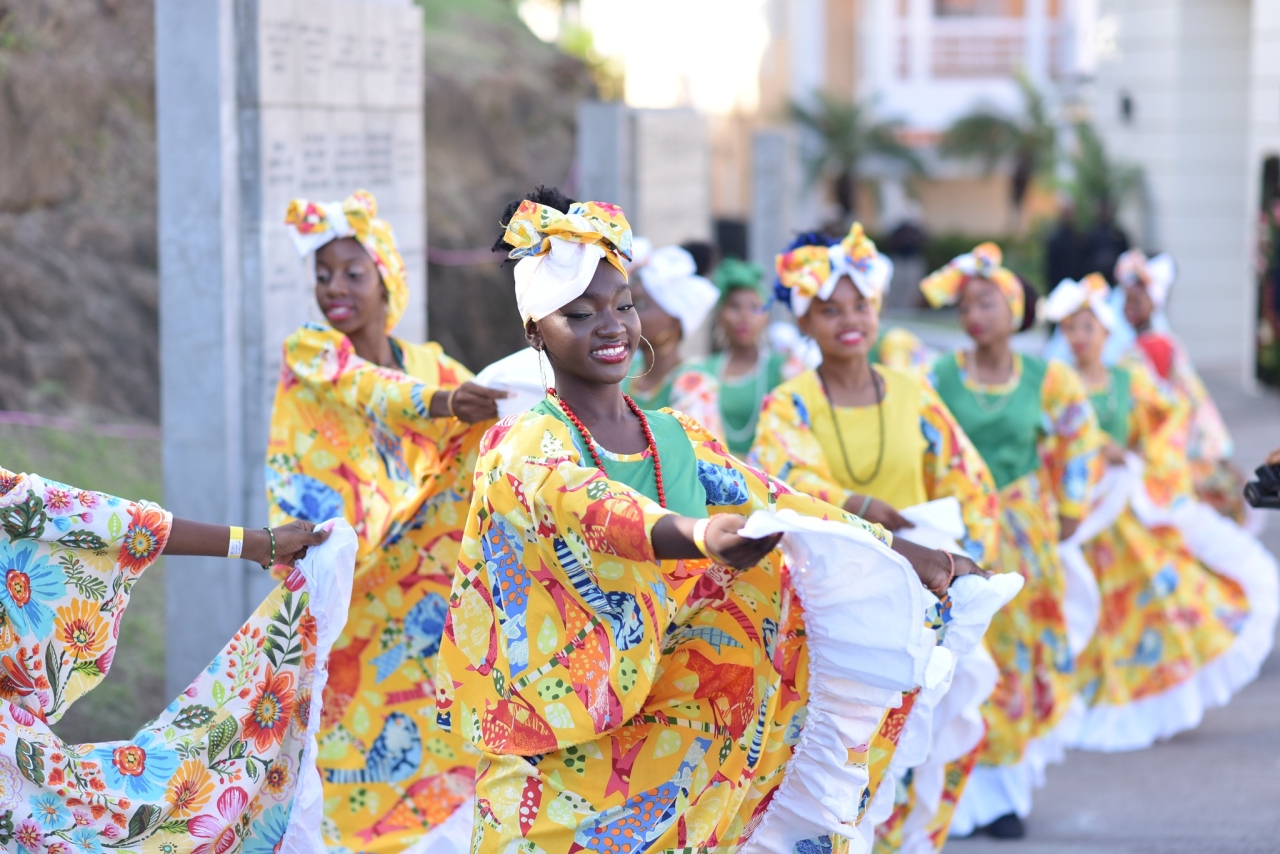
To me, it’s not a stretch to connect this disconnection to the decisions to construct curricula without early exposure to what it means to belong to a society, in favour of narrowly focusing on getting children prepared for SEA exams—in fact, in preparing children only to pass exams.
We’ve cultivated a few generations who are unaware of the existence of anything outside of the particulars of their daily lives. It’s why we can be caught up in a form of civil warfare over strategic alliances, and where our allegiance lies.
In that column, I measured my maturity by feeling a responsibility to be part of our development:
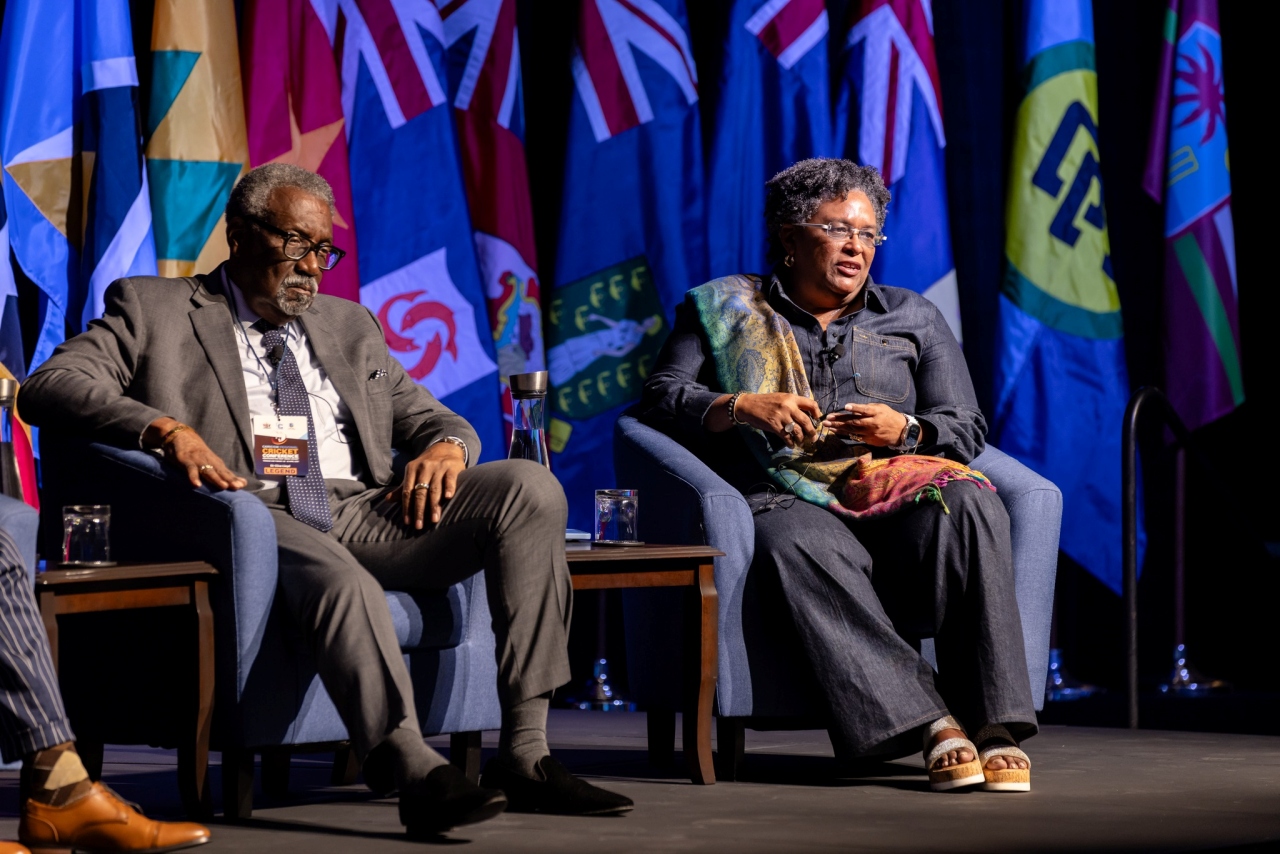
Photo: Caricom.
“No longer am I satisfied to blame the generation which preceded mine for their numerous failings. I now feel that it is up to my generation to act, to do something to ensure that the world we inhabit is improved by our being here.
“I have always felt a strong commitment to the idea of regional integration. I have no doubt that it will be a reality for my child, and that is why I try to prepare her for that eventuality.”
Looking back at that, it feels naïve and idealistic. Was it unrealistic? Was it too optimistic? Are we just moving at a far slower pace than I’d imagined?
Maybe we need some catalyst to catapult us into a different way of seeing ourselves.
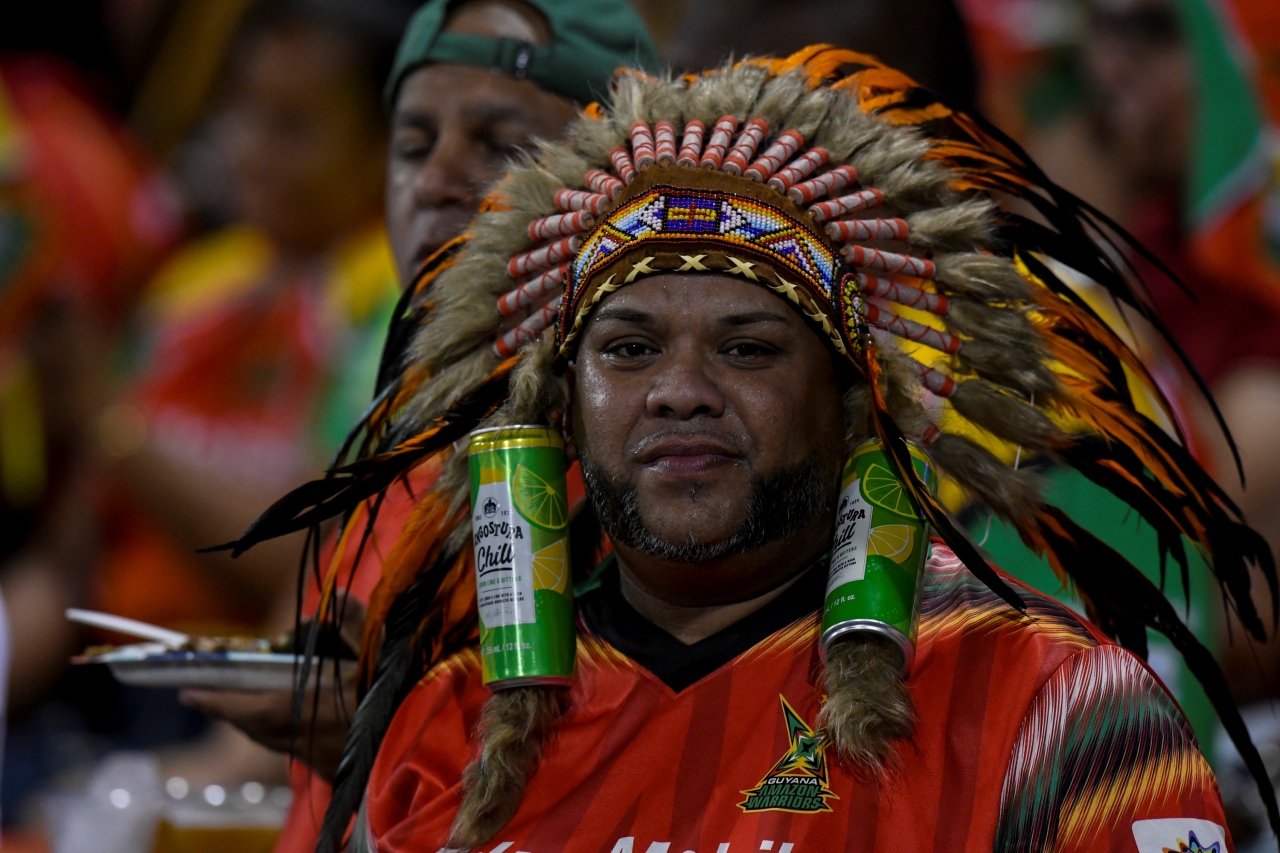
Trinidad and Tobago companies export millions worth of products to Caricom neighbours.
Photo: Randy Brooks/ CPL T20 via Getty Images.
Here’s a chunk of what I’d written:
“I believe that even if we did not share geographical, cultural and historical bonds, pure economics alone should force everyone to acknowledge that the only way ‘these tiny islands’ (in David Rudder’s mighty perspective) can survive in a global economy dominate by powerful trade blocs, is as a united force.
“I believe that on the ground level, the citizens of these islands have long recognised that we are really one people, and thus have far advanced the integration movement. Only the politicians have laboured long, hard and foolishly to keep us divided.
“When, in 1992, the chair of the West Indian Commission, Sir Shridath Ramphal delivered their Time for Action Report to the Caricom Heads of Government who had commissioned them, he prefaced it with this observation:
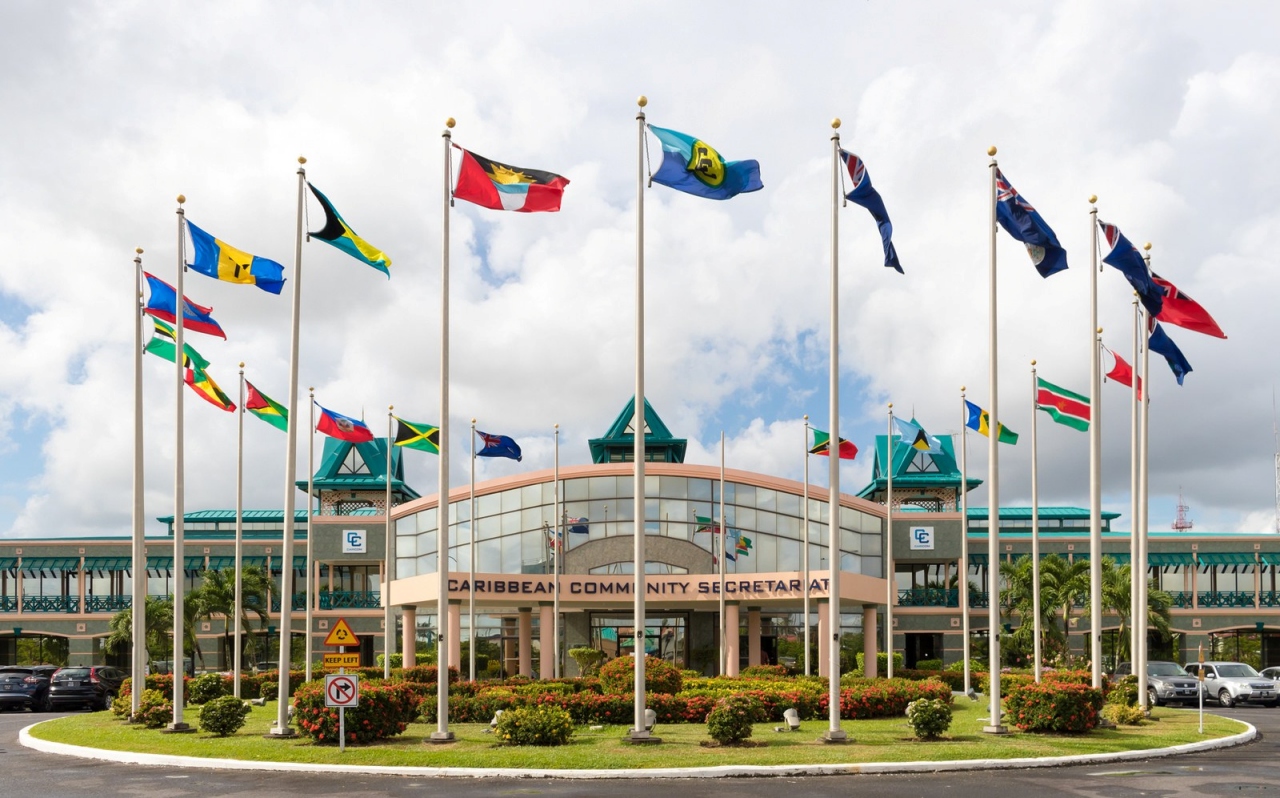
Photo: Caricom.
‘I am the fourth generation of my family’s anguished transplantation. Other West Indians have been here over a longer period, and through systems of greater anguish; yet it was natural for me to remind an audience during the Commission’s consultations that I am a Guyanese before I am an Indian. I am a West Indian before I am a Guyanese. Oneness had replaced separateness in four generations. So it is for most of the people of our Caricom region.’
“The Report delivered by that Commission recommended, among several other things still being ignored, that there be a free movement of Caribbean people within the region, and consequently, there be a liberalisation of requirements for work permits and the like.
“[…] When the US Secretary of State, Madeline Albright met with the Caricom Foreign Ministers some days ago, our Foreign Minister Ralph Maraj was most eloquent in his representation of the region as one unit moving forward… to receive alms from the US.
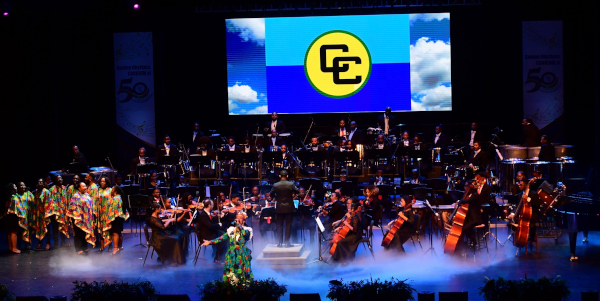
Photo: Office of the Prime Minister.
“Is it only when we are bowing and curtseying to the almighty US that we consider ourselves one territory? Mrs Albright had urged Caricom members to band themselves together so as to form a more powerful lobbying voice in Washington.
“Had she instead urged them to stand alone, would they have all turned to each other like puppets and cut strings like mad?
“[…] I do not feel that anyone with an ounce of West Indian blood flowing through their veins should allow politicians to deny us what is rightfully ours. We should rise up against it.
“This is our space. To live. To work. To play. To raise our families. This is our Caribbean.”

I’ve repeated what I’d said then because it was nearly three decades ago, and although the ideals have not materialised, the dreadful consequences are now viciously ripping us apart.
Yes, we must face the consequences of our actions, but why should we face the consequences of actions that are not ours?
In October 1995, I was part of a fellowship offered by the Committee to Protect Journalists. A dozen or so Read more
My bossy back demands an extreme degree of planning if I am to venture out. Sitting or standing for an Read more
The UNC won the 2025 general elections promising to transform Trinidad and Tobago’s economic fortunes, treat workers fairly and address Read more
“[…] In Dr Eric Williams’ Capitalism and Slavery, he used historical analysis of a vast number of sources to put Read more
Trinidad and Tobago entered into the Americas Counter Cartel Coalition, which was announced in Doral, Florida, two weeks ago at Read more
For those who might have wondered about the absence of my column last week, the Express has decided that it Read more
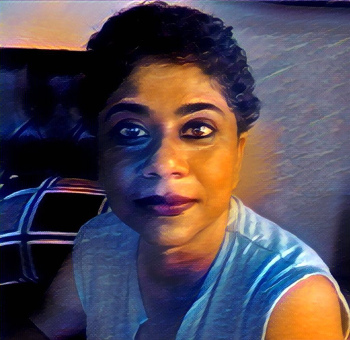
Vaneisa Baksh is a columnist with the Trinidad Express, an editor and a cricket historian. She is the author of a biography of Sir Frank Worrell.
