 Wired868 Wired868 for smart sport news and opinion
“[…] It is clear that this Administration, having outsourced its decision-making with respect to relations with Venezuela, has not learnt from or are not aware of Henry Kissinger’s warning—though uttered in a different context—that: ‘it may be dangerous to be America’s enemy, but to be America’s friend is fatal.’
“[…] Given the unrefuted Washington Post claim of a ‘missile off the Trinidad coast [fatally striking a boat in international waters]’, the use of our territory puts us squarely in the realm of complicity in extra-judicial killings, with the possibility of being brought before the International Criminal Court (ICC) under an interpretation of Article 25 of the Statute establishing the Court…”
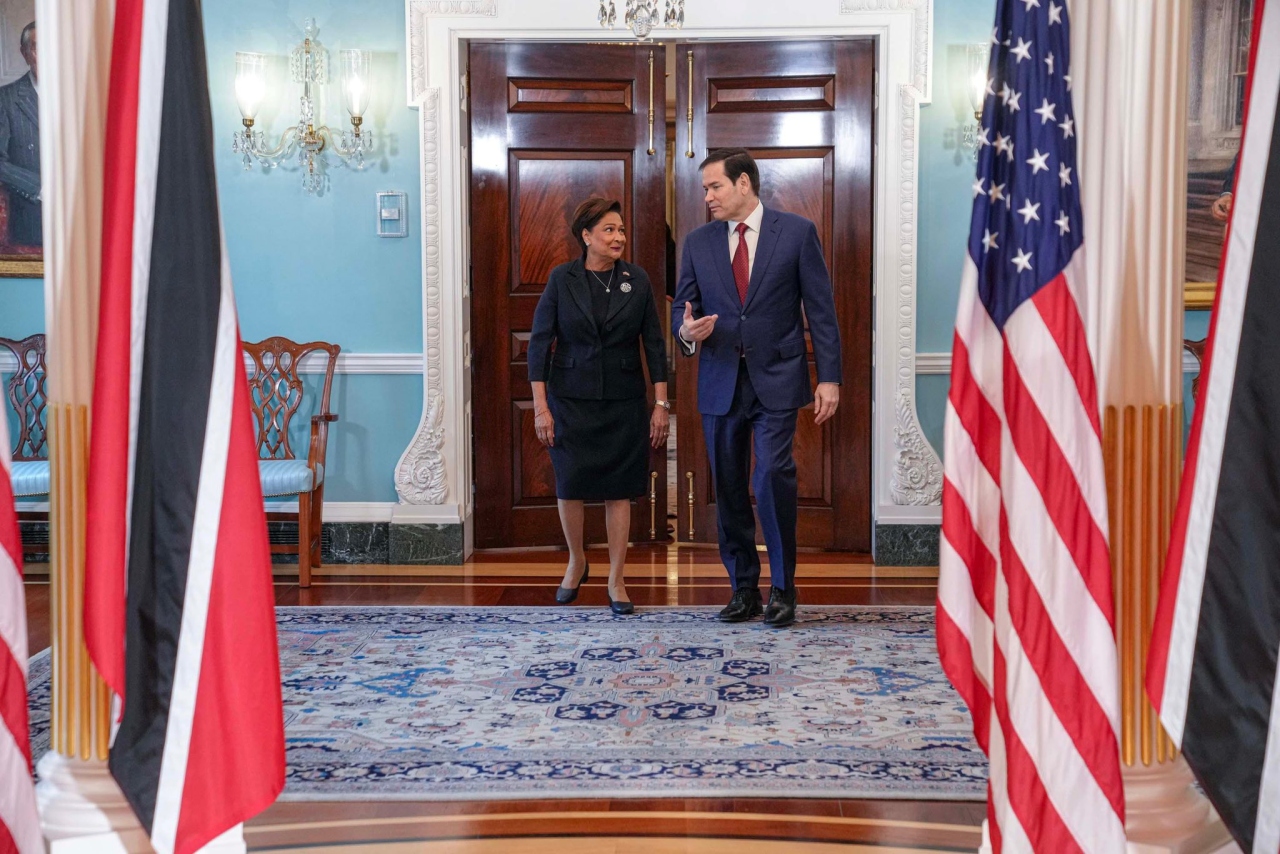
Photo: UNC.
The following guest column on implications for Trinidad and Tobago from the rising tensions between the United States and Venezuela was submitted to Wired868 by Leonard Robertson, a former Trinidad Express editor and communications advisor to Caricom Secretary-General:
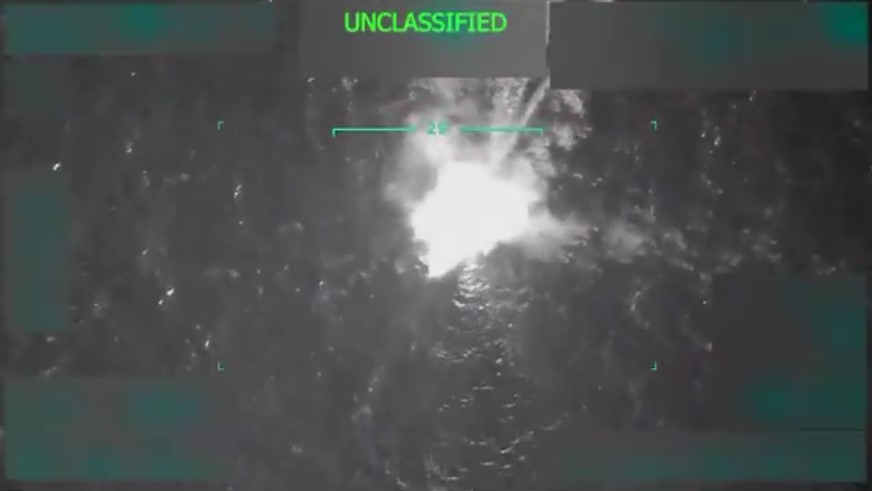
A missile screamed off the Trinidad coast, striking the vessel and igniting a blaze from bow to stern. For minutes, commanders watched the boat burning on a live drone feed. As the smoke cleared, they got a jolt: Two survivors were clinging to the smoldering wreck.
(Washington Post, 28 November 2025).
As two men clung to a stricken, burning ship targeted by SEAL Team 6, the Joint Special Operations commander followed the Defense Secretary’s order to leave no survivors.
(Washington Post, 28 November 2025).
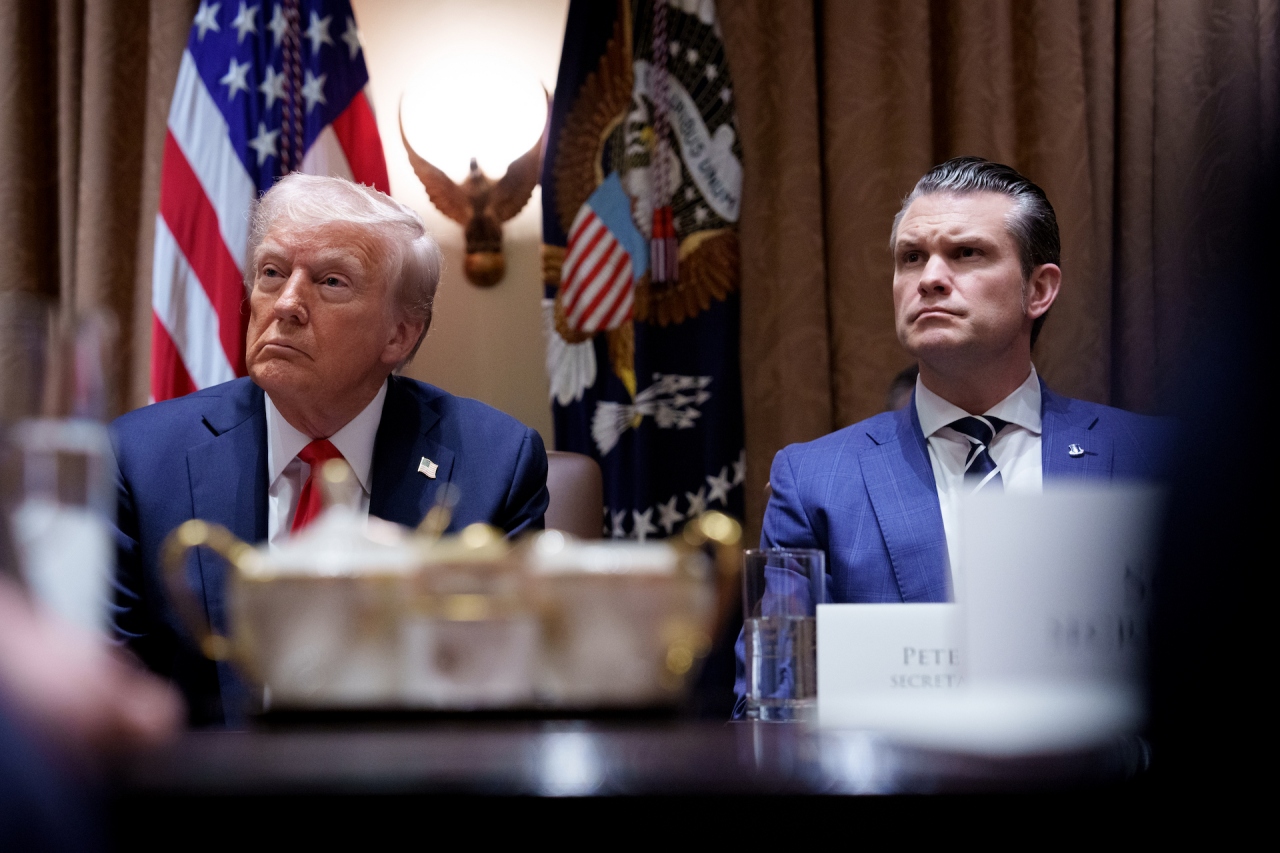
Photo: Andrew Harnik/ Getty Images.
Article 25 of the Rome Statute establishing the International Criminal Court (ICC):
- In accordance with this Statute, a person shall be criminally responsible and liable for punishment for a crime within the jurisdiction of the Court if that person: (c) For the purpose of facilitating the commission of such a crime, aids, abets or otherwise assists in its commission or its attempted commission, including providing the means for its commission; (d) In any other way contributes to the commission or attempted commission of such a crime by a group of persons acting with a common purpose. Such contribution shall be intentional and shall either: (i) Be made with the aim of furthering the criminal activity or criminal purpose of the group, where such activity or purpose involves the commission of a crime within the jurisdiction of the Court;
American military forces have installed a high-tech radar unit in Trinidad and Tobago. While the unit can be used to track boats, its primary function is aerial surveillance.
“The system is able to detect, track and target the world’s most sophisticated airborne threats in highly contested environments,” (manufacturer Northrop Grunman) Northrop says. It has a 360-degree maximum range of about 170 miles for air surveillance and tracking.
(USA Today, 2 December 2025)
The disquiet that pervades the country is reminiscent of the environment following the events of July 27, 1990. The essential difference is the tendency of our Government to dissemble and insult the intelligence of those without the blinkers of blind allegiance.
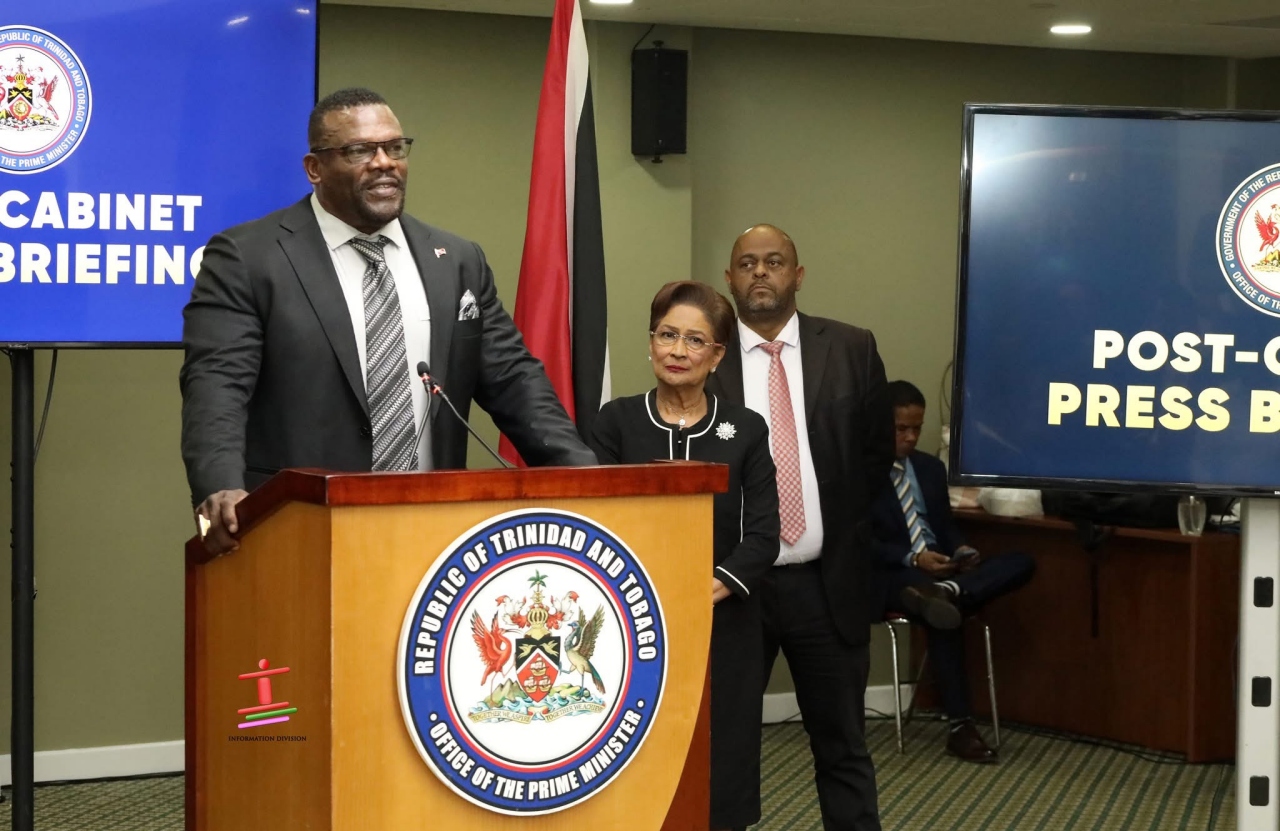
Photo: OPM.
It is as if the powers that be are unaware of the freely available information that can be accessed easily. The Washington Post, USA Today, CNN, MS are all a click away—even if our mainstream media appear oblivious to this reality.
What is truly unsettling is that this tendency denies the citizenry of valuable information in a situation that is becoming increasingly worrisome.
It is clear that this Administration, having outsourced its decision-making with respect to relations with Venezuela, has not learnt from or are not aware of Henry Kissinger’s warning—though uttered in a different context—that: “it may be dangerous to be America’s enemy, but to be America’s friend is fatal.”
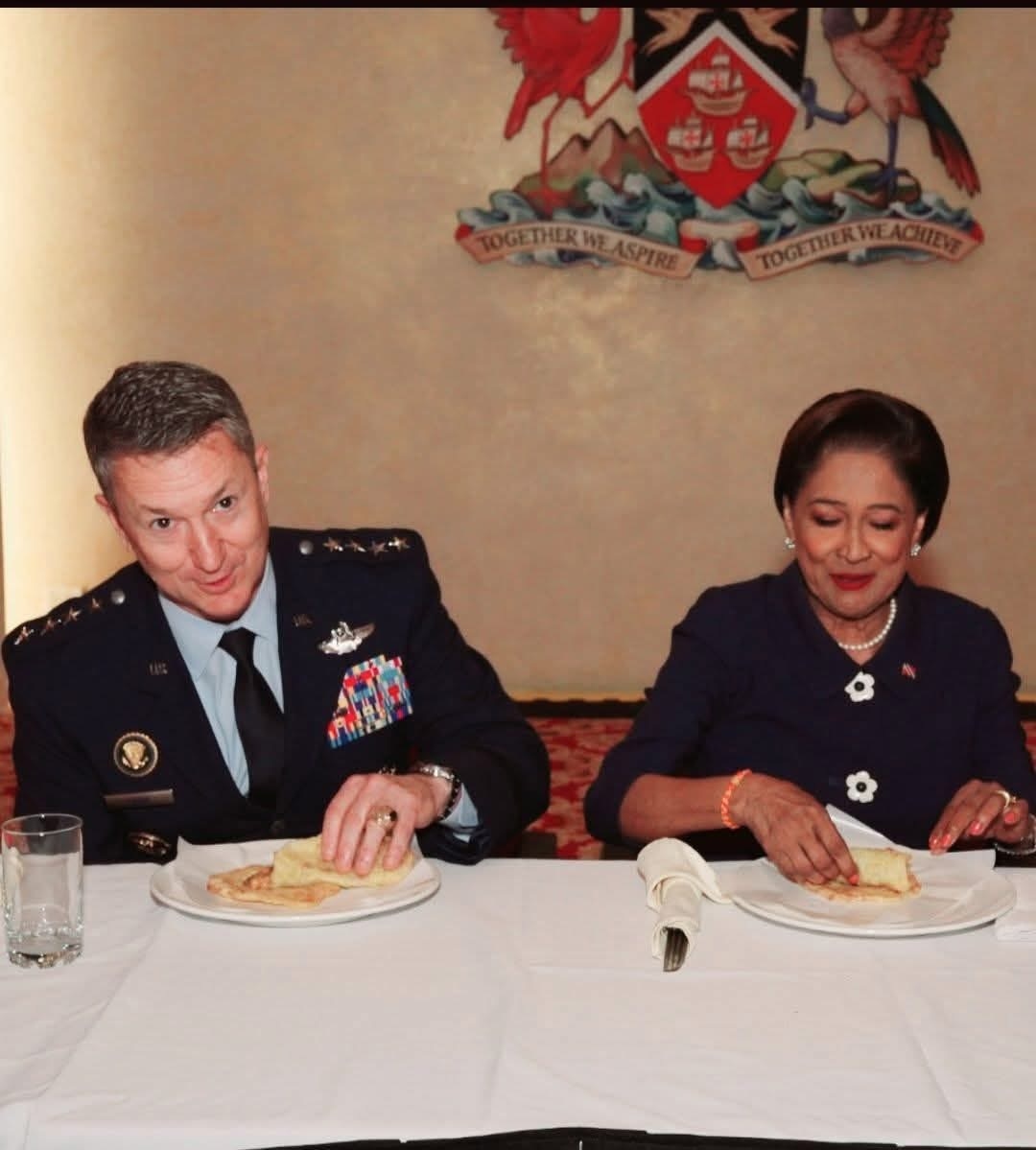
Caine, the chairman of USA’s Joint Chiefs of Staff, is America’s highest-ranking military officer.
Photo: UNC.
When allied with his other dictum that “America has no permanent friends or enemies, only interests”, it is worth remembering that history is littered with the metaphorical graves of those who believed that America acts in any other interests but its own.
“Friends” become enemies or at best are discarded when interests change. This is even more relevant today given the quixotic nature of the current US Administration.
Further, the decades spent building the country’s reputation as a firm adherent to the principles inherent in the United Nations Charter and the rule of international law as the bedrock of our foreign relations have been gravely undermined.
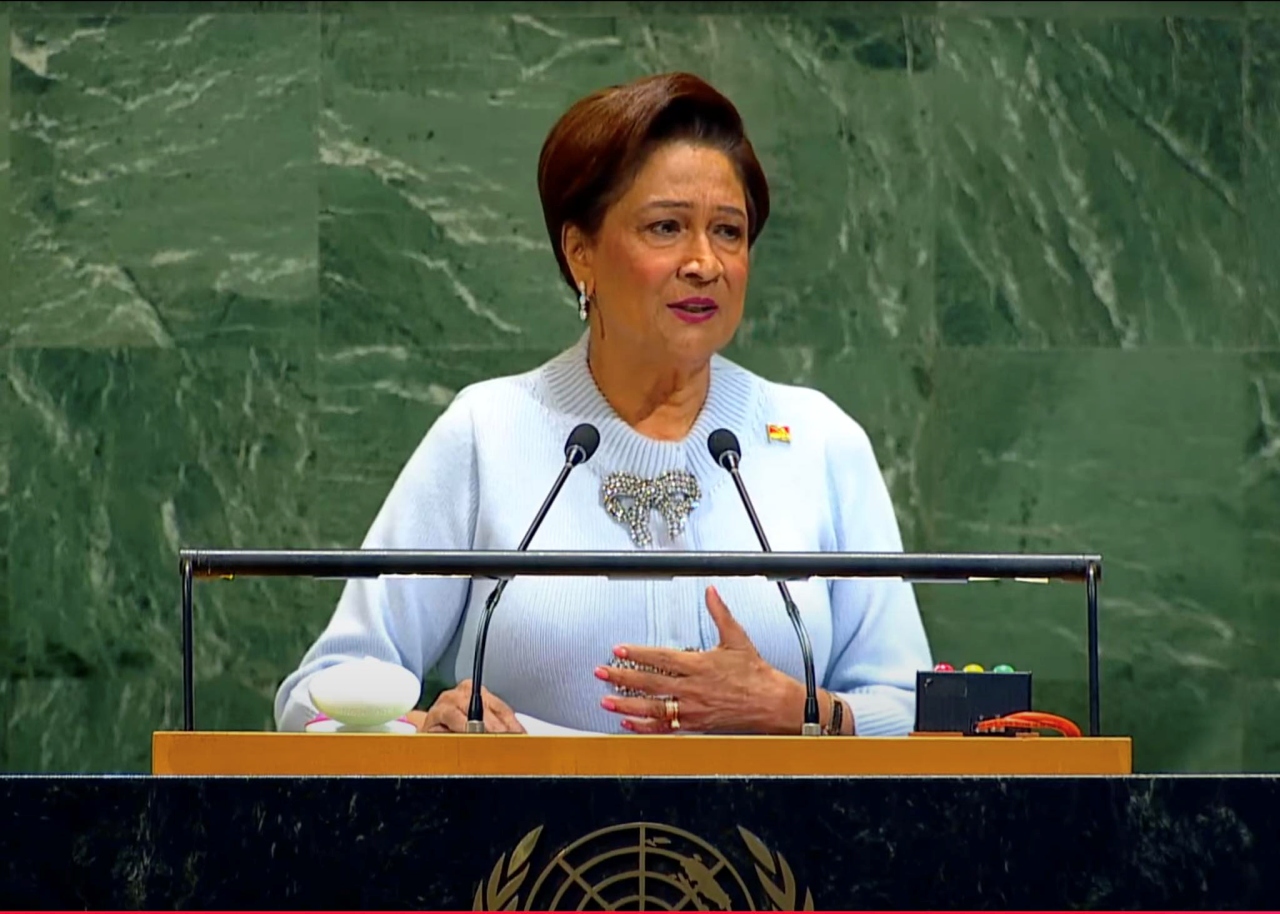
(via UNC.)
As our national statement at the United Nations General Assembly on 27 September 2025 emphasised: “For sixty-three years, we have upheld the rule of law, championed human rights, strengthened international law, and never been silent in the face of injustice.”
Unfortunately, we have gone beyond inflammatory rhetoric. Given the unrefuted Washington Post claim of a “missile off the Trinidad coast”, the use of our territory puts us squarely in the realm of complicity in extra-judicial killings, with the possibility of being brought before the International Criminal Court (ICC) under an interpretation of Article 25 of the Statute establishing the Court.
It is worth noting that this Court was established in large part through the pivotal role played by the former Prime Minister and President of Trinidad and Tobago, the late ANR Robinson.
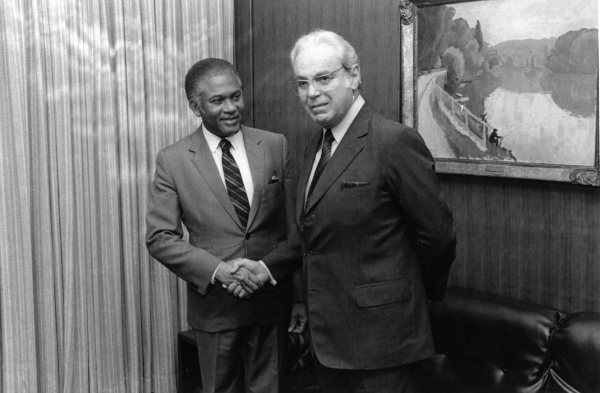
Photo: UN/ John Isacc.
In a speech to the United Nations General Assembly in 1989, Mr Robinson revived the idea of establishing a court with jurisdiction over international crimes, and co-authored the draft resolution which triggered the process that eventually led to the adoption of the Rome Statute—the Court’s founding treaty.
It is also worth noting that the United States has not signed on to the ICC.
This departure from our respected foreign policy principled positions was further exacerbated by the fact that, for the first time in living memory, our UNGA statement made no mention of the Cuban embargo. Also, it was striking that no reference was made to the situation in Gaza.
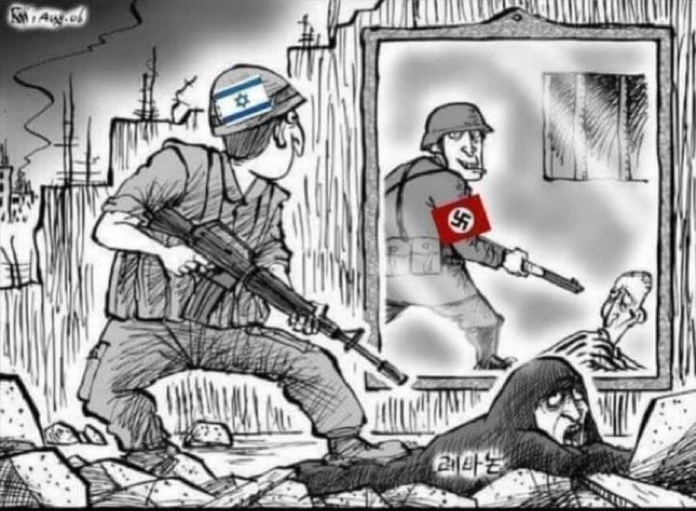
Is it that the outsourcing of our foreign policy decision making goes beyond Venezuela? Food for thought.
Trust is an important component of governance and once lost is difficult to regain.

“[…] It is time that pan (read Pan Trinbago, or PTB) involves itself in some long-term policies, strategies and actions Read more

Christmas is over and the New Year, 2026, is just ahead. Writing a column for publication today was stressful. This Read more
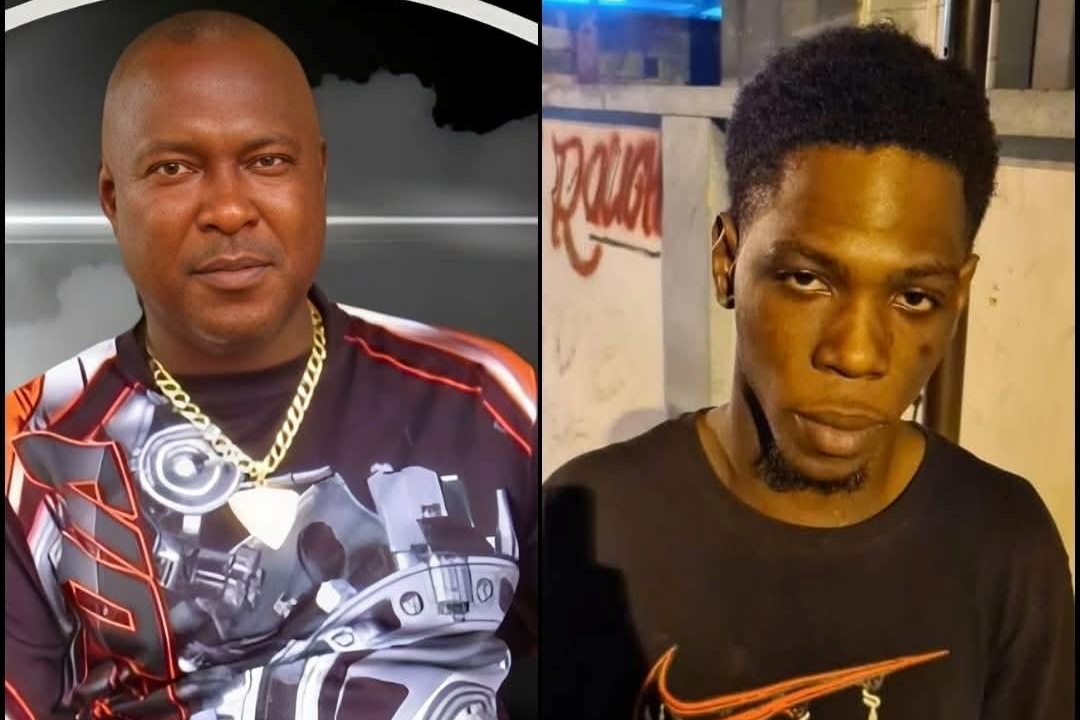
“[…] Dale’s death forces a hard truth… I’m grieving. “But I also feel sorrow for Ishmael’s family. Because the system Read more
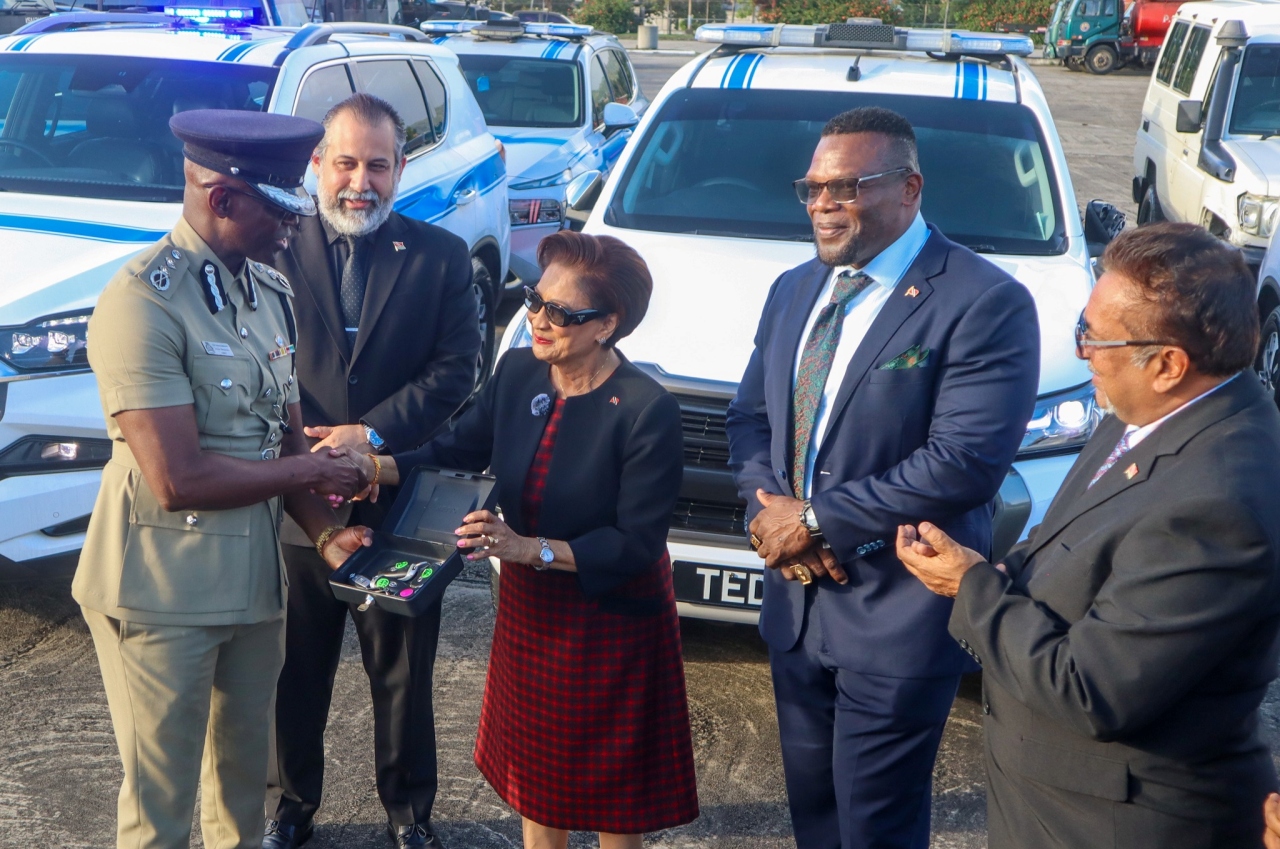
A little over a week ago, on 29 November 2025, the Washington Post identified “the Caribbean allies helping the US Read more
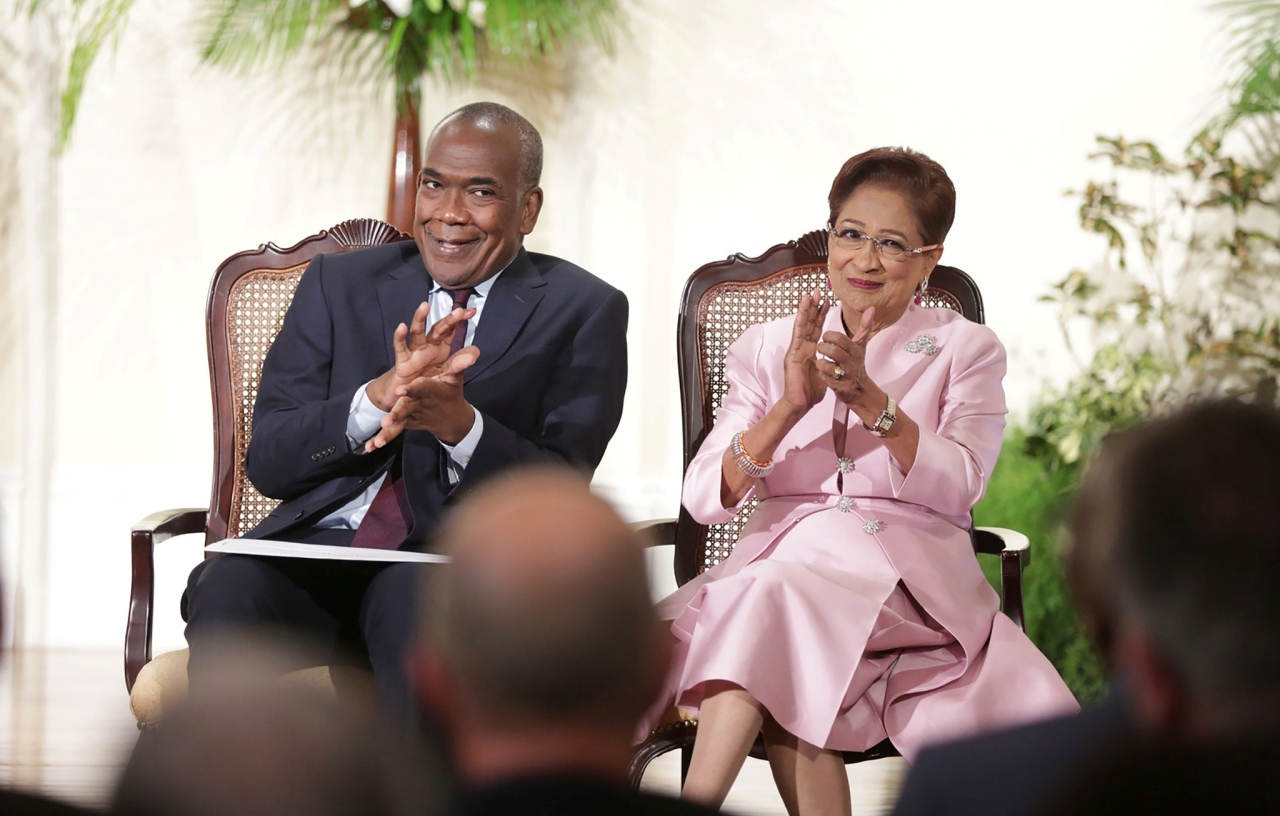
“[…] Critics may dismiss the [Home Invasion] Bill as mere ‘political comfort food’. Its purpose is practical: to bridge gaps Read more

“[…] The Home Invasion Bill does not expand rights for householders. It does not reshape murder elements... What it does do is reassure Read more

Want to share your thoughts with Wired868? Email us at editor@wired868.com.
Please keep your letter between 300 to 600 words and be sure to read it over first for typos and punctuation.
We don’t publish anonymously unless there is a good reason, such as an obvious threat of harassment or job loss.