 Wired868 Wired868 for smart sport news and opinion
“[…] Advocates of this strategy contend that traditional interdiction efforts intercept only a fraction of maritime drug trafficking operations, whereas the systematic destruction of vessels and the targeting of personnel establish a more robust deterrent effect.
“The strikes have implications that extend beyond the immediate legal proceedings. Critics contend that applying the rules of non-international armed conflict (NIAC) to criminal organisations establishes a precedent that other states could invoke to justify the use of lethal force against domestic groups they deem threatening.
“This approach risks blurring the long-standing distinction in international law between law enforcement operations and acts of war…”
The following Letter to the Editor on the legal strength of US military strikes on boats off the coast of Venezuela was submitted to Wired868 by Ula Nathai-Lutchman, an international barrister at law with over 20 years of experience in international criminal, human rights, and administrative law across the Commonwealth, Caribbean & international legal frameworks:
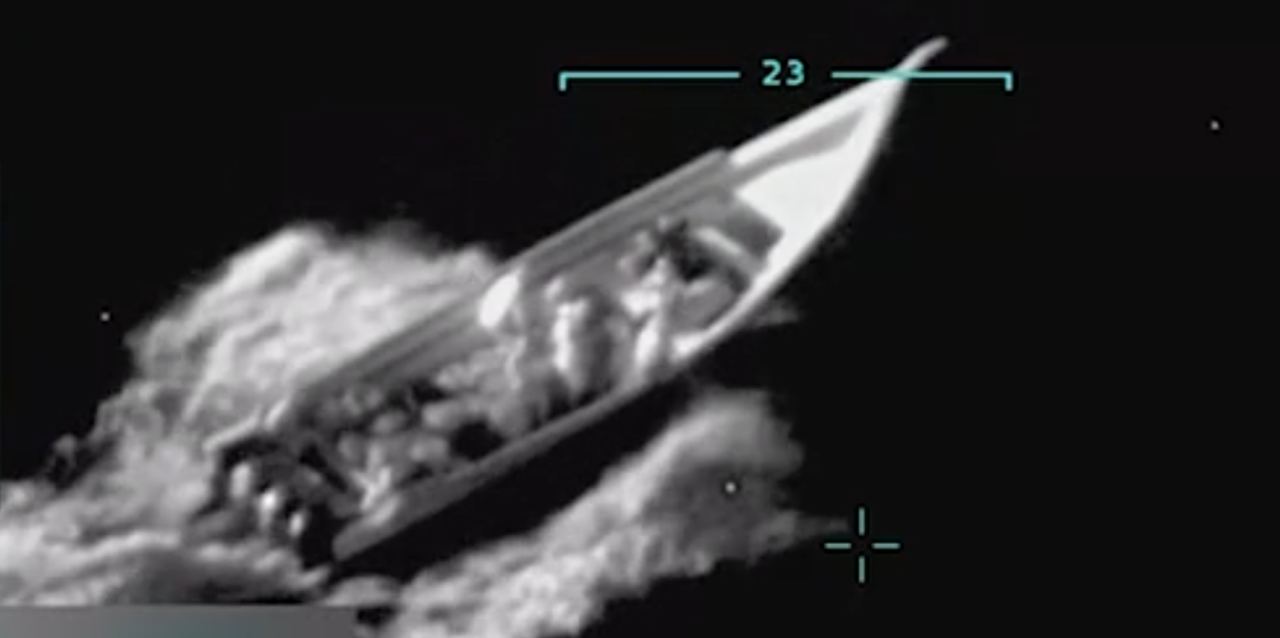
The United States has conducted a series of at least 38 lethal strikes against suspected drug trafficking vessels in the Caribbean and Eastern Pacific since September 2025, resulting in more than 133 casualties. The most recent such operation occurred on 13 February 2026.
A ‘suspect’ is a person to be arrested; a ‘target’ is a problem to be eliminated. By invoking the laws of armed conflict to justify strikes against drug cartels, the Donald Trump-led administration has reclassified the flow of narcotics from Latin America through the Caribbean as an act of war.

(via Banyan Treatment Center.)
This shift designates drug cartels as unlawful combatants in a non-international armed conflict and individuals as narco-terrorists, allowing for the use of lethal force based on affiliation rather than imminent threat.
The administration reframes cocaine and fentanyl shipments as military logistics, traffickers as combatants, and the entire criminal enterprise as irregular warfare rather than organised crime.
This permits strikes against individuals based on their affiliation with a hostile force, without requiring proof of immediate danger.
By moving from a civilian due process paradigm to one governed by military necessity, these operations may be shielded under doctrines such as the state secrets privilege and qualified immunity, significantly limiting judicial oversight and public accountability.

The US asserts that these measures are essential for safeguarding national security and preserving stability in the Western Hemisphere. The administration is now confronting legal proceedings in court, including wrongful death lawsuits that allege the government conducted unlawful extrajudicial killings in breach of both domestic and international law.
The Legal Framework: Non-International Armed Conflict (NIAC) Designation.
When a conflict is classified as a NIAC, the governing legal framework transitions from peacetime human rights law, which regulates law enforcement activities such as arrest and prosecution, to international humanitarian law or the laws of war.
This shift fundamentally changes the rules of engagement, replacing policing standards with combat-oriented rules aimed at neutralising opposing forces.
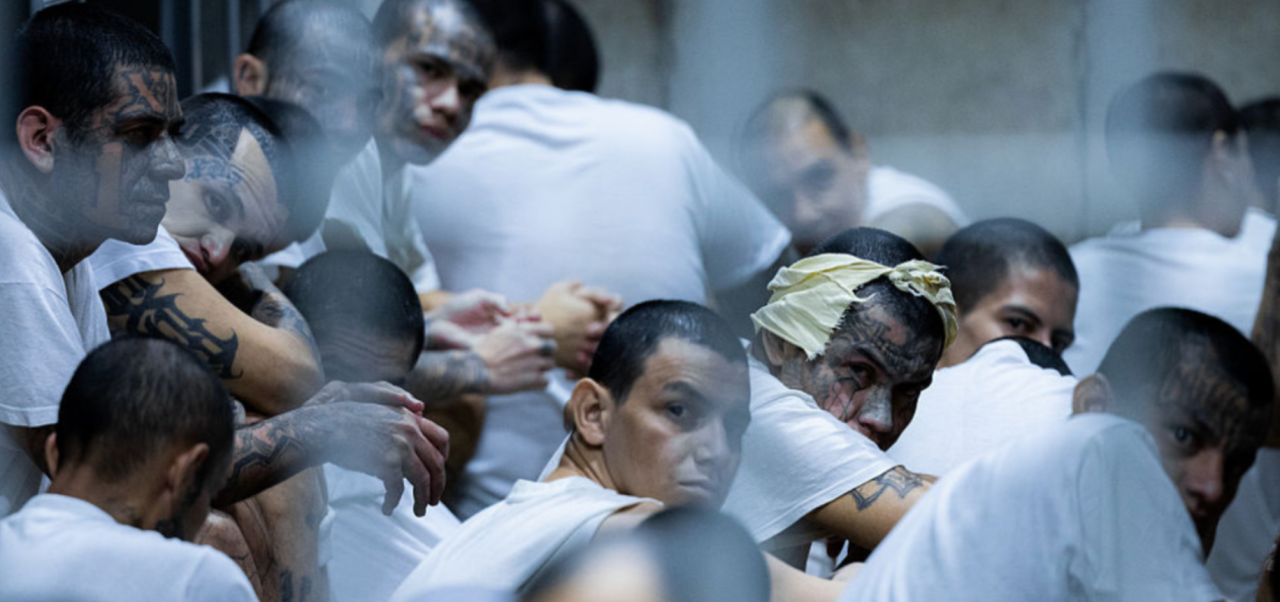
In November 2025, the US Department of Justice asserted that the strikes targeting Tren de Aragua were “ordered in accordance with the laws of armed conflict and, as such, constitute lawful orders”.
Two key judicial precedents are relevant in this context: Hamdan v Rumsfeld, Secretary of State (2006, US Supreme Court), which established that armed conflicts with non-state actors can constitute NIACs regardless of geography, and Prosecutor v Tadić (1995, ICTY), which set the threshold for NIAC as “protracted armed violence between governmental authorities and organised armed groups”.
The Court’s reasoning in Hamdan centered on the legal status of the parties rather than geographic location: an armed conflict is “international” when it occurs between states, and “non‑international” when it involves a state and a non‑state actor, regardless of where hostilities take place.
The Tadić decision focused on the intensity and organisation requirements: the violence must be sufficiently intense and sustained to distinguish it from sporadic criminal acts, and the non-state group must possess sufficient organisational structure to conduct coordinated military operations.
On 20 January 2025, the US administration designated the Venezuelan criminal organisation Tren de Aragua as a Foreign Terrorist Organisation and a Specially Designated Global Terrorist.
In the corresponding Presidential Order, the group is described as possessing “complex adaptive systems, characteristic of entities engaged in insurgency and asymmetric warfare” and conducting “campaigns of violence and terror” that are “extraordinarily violent” and “threaten the stability of the international order in the Western Hemisphere”.
The Order further states that such organisations “operate both within and outside the United States” and “present an unusual and extraordinary threat to the national security, foreign policy, and economy of the United States”, declaring a national emergency to address these threats.
This language of the Presidential Order echoes the legal frameworks established in both the Hamdan and Tadić cases.
It satisfies Hamdan by emphasising the transnational nature of the organisation and its status as a non-state armed group. It meets the Tadić intensity threshold through references to “campaigns of violence and terror” and “extraordinarily violent” conduct—framing the activity as protracted and sustained rather than sporadic criminal violence.
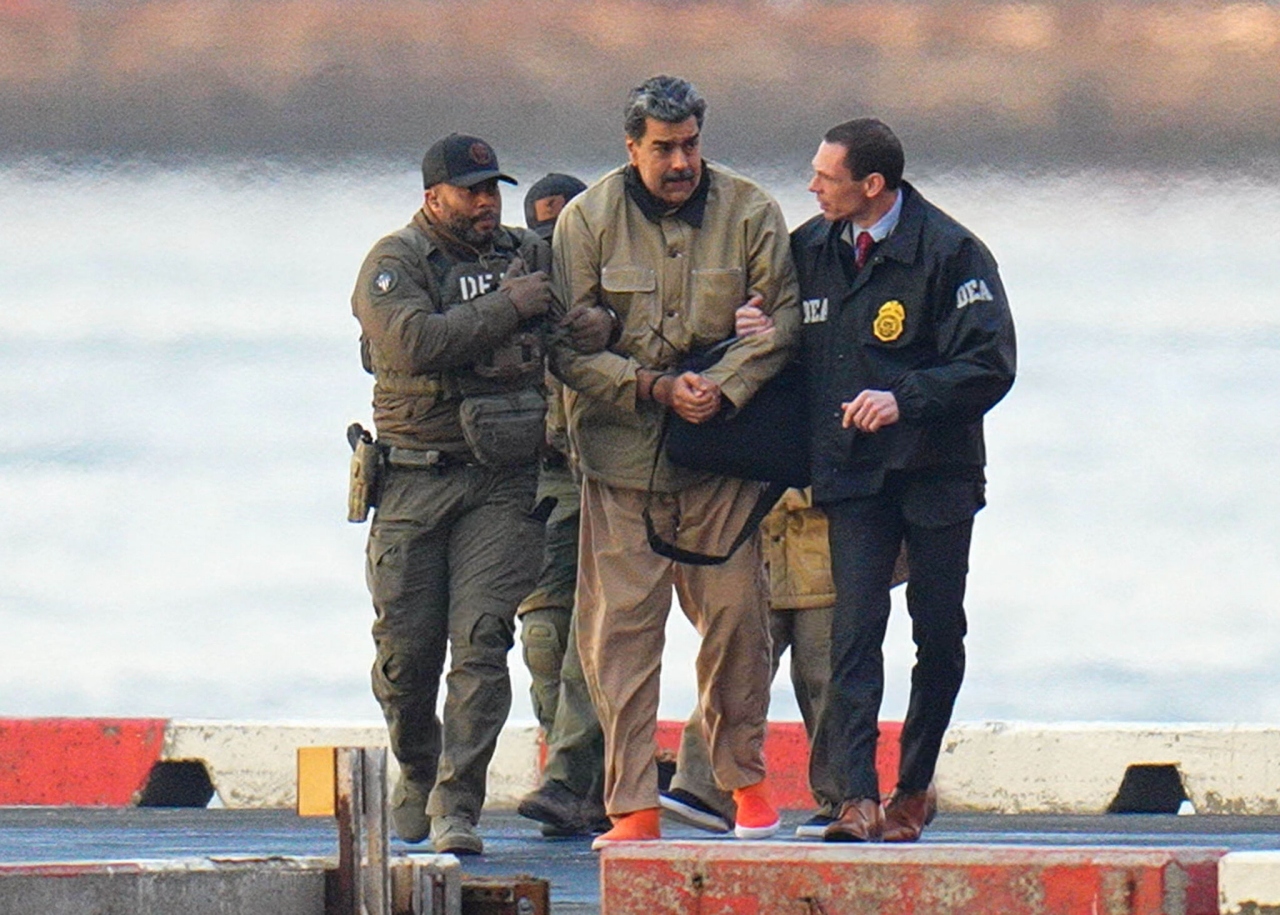
Critics argue that the US move against Maduro was a rouse to seize control of the country’s oil reserves.
The organisational requirement is addressed by describing “complex adaptive systems” and “extraterritorial command-and-control structures”, suggesting the hierarchical capacity to conduct coordinated military operations across multiple jurisdictions.
The 2001 Authorisation for Use of Military Force (AUMF) empowered the President to employ force against “those nations, organisations, or persons [the President] determines planned, authorised, committed, or aided the terrorist attacks that occurred on September 11, 2001”.
Since its enactment in 2001, four successive administrations have incrementally broadened the scope of the AUMF beyond its initial targets.
The current administration’s classification of cartels as narco-terrorist entities represents a strategic endeavour to bring organisations such as Tren de Aragua within the legal framework of the AUMF.
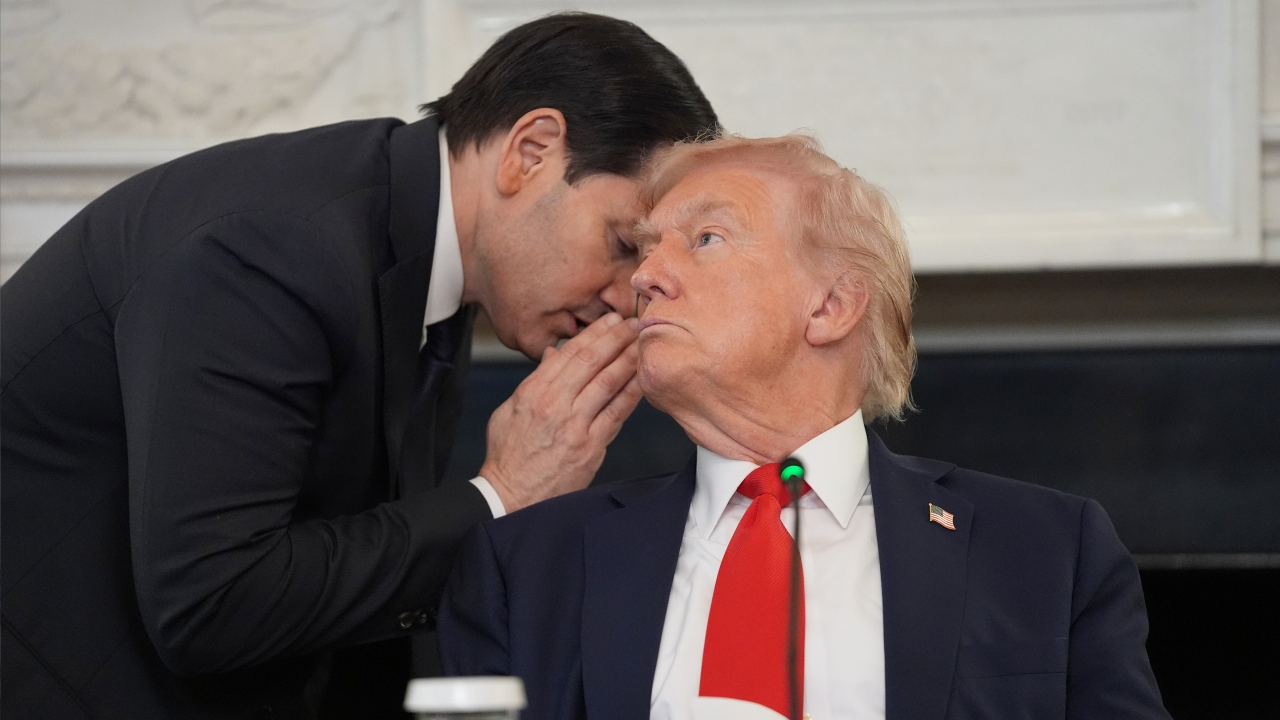
Photo: AP.
This approach indicates an acknowledgment that the operational scale and threat level posed by such groups may surpass conventional law enforcement method and traditional interdiction (boarding, seizure of evidence, and arrest).
Advocates of this strategy contend that traditional interdiction efforts intercept only a fraction of maritime drug trafficking operations, whereas the systematic destruction of vessels and the targeting of personnel establish a more robust deterrent effect.
Broader International Law Implications
The strikes have implications that extend beyond the immediate legal proceedings. Critics contend that applying the rules of NIAC to criminal organisations establishes a precedent that other states could invoke to justify the use of lethal force against domestic groups they deem threatening.
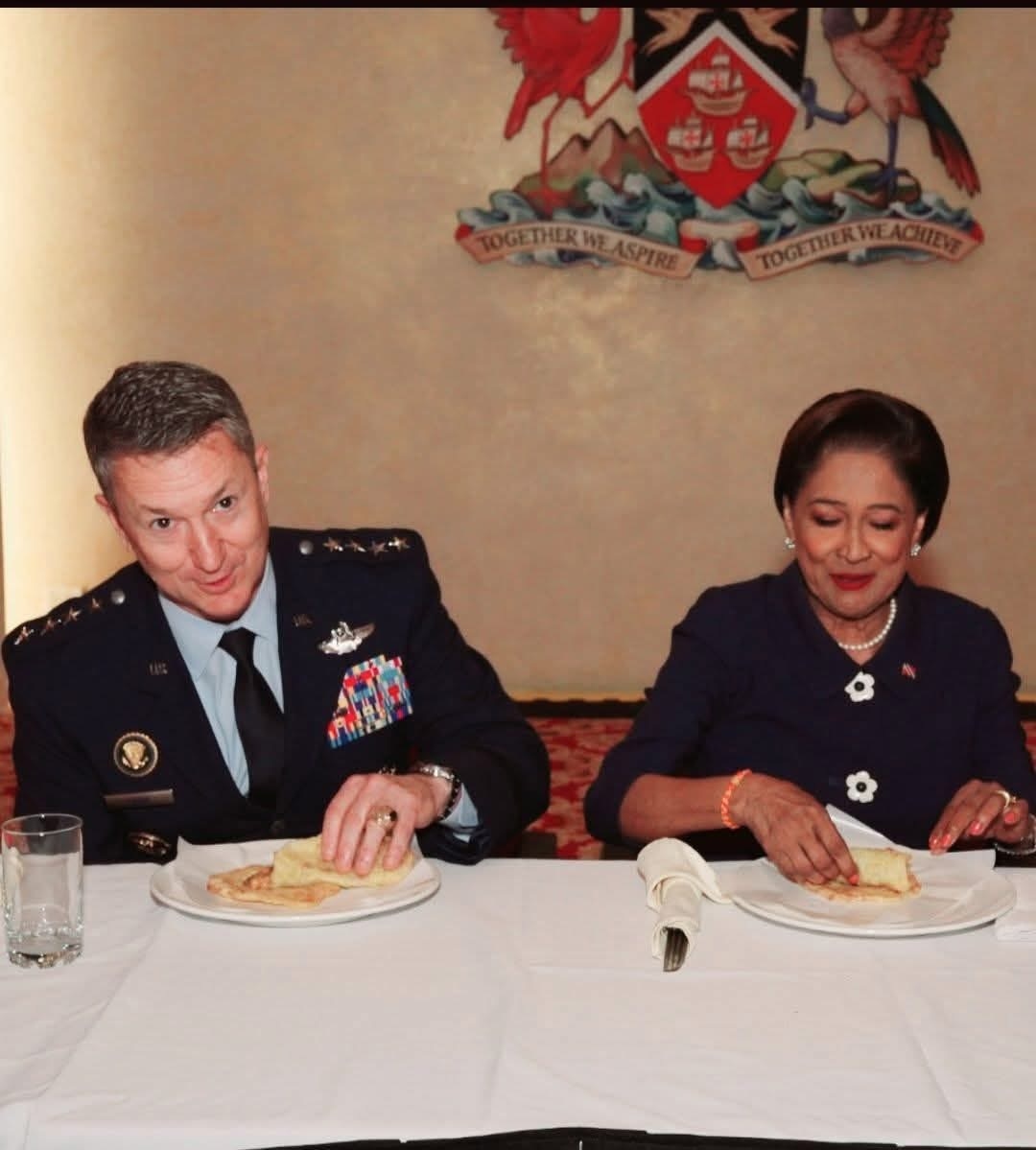
Caine, the chairman of USA’s Joint Chiefs of Staff, is America’s highest-ranking military officer.
Photo: UNC.
This approach risks blurring the long-standing distinction in international law between law enforcement operations and acts of war.
Furthermore, these activities highlight unresolved questions concerning maritime jurisdiction. They are carried out in international waters without explicit legal authorisation under the UN Convention on the Law of the Sea, a treaty that the US has not ratified. This situation creates a legal grey area.
Conclusion and Pending Litigation
The strikes test the boundaries of international law as nation states address non-traditional threats to national security by: (1) an expansion of Hamdan and Tadić to cover drug cartels; (2) status classification becoming ambiguous when individuals are viewed simultaneously as criminals, combatants, and terrorists; and (3) doctrines like state-secrets privilege restricting courts’ ability to review executive decisions.

Families of victims killed in the strikes have filed lawsuits, alleging violations of international law and human rights. The relatives of Trinidadian nationals Chad Joseph and Rishi Samaroo claim both were killed in an incident off the coast of Venezuela in October 2025, while Colombian fisherman Alejandro Carranza in a strike off Colombia on 15 September.
The Courts will determine whether the lethal strikes were lawfully conducted within the context of an armed conflict or should instead be governed by law enforcement standards; whether the individuals targeted qualified as legitimate military combatants or were entitled to protection as civilians; and whether the use of deadly force was legally justified in the absence of arrest alternatives.
I am not a politician. I’m certainly not a senator. I am just a citizen who pays attention. So, when Read more

Today, Trinidad and Tobago, and indeed the Caribbean, bids farewell to a true cultural giant. With the passing of Dr Read more
“[…] It is nothing short of amazing how this current political directorate can go from conceptualization of 30 ‘police post’ Read more
Thirteen years have passed since health care workers, Lake Asphalt employees and other workers last received a salary adjustment. In Read more
“[…] To the ‘UNC family’ she offers the old tired hymn: lagoons, cane fields, salt and rice, ponds and springs—the Read more

“[…] The media release by the heads of judiciaries—that seemed to focus on the leak of the emails and breach Read more

Want to share your thoughts with Wired868? Email us at editor@wired868.com.
Please keep your letter between 300 to 600 words and be sure to read it over first for typos and punctuation.
We don’t publish anonymously unless there is a good reason, such as an obvious threat of harassment or job loss.

Thanks for sharing your views/ opinion. As a private individual (in the absence of interest groups, journalists etc.) I have filed petitions with IACHR, UN Special Rapporteur, Universal jurisdiction screening (Swiss / German). I urge you to take the next step!