 Wired868 Wired868 for smart sport news and opinion
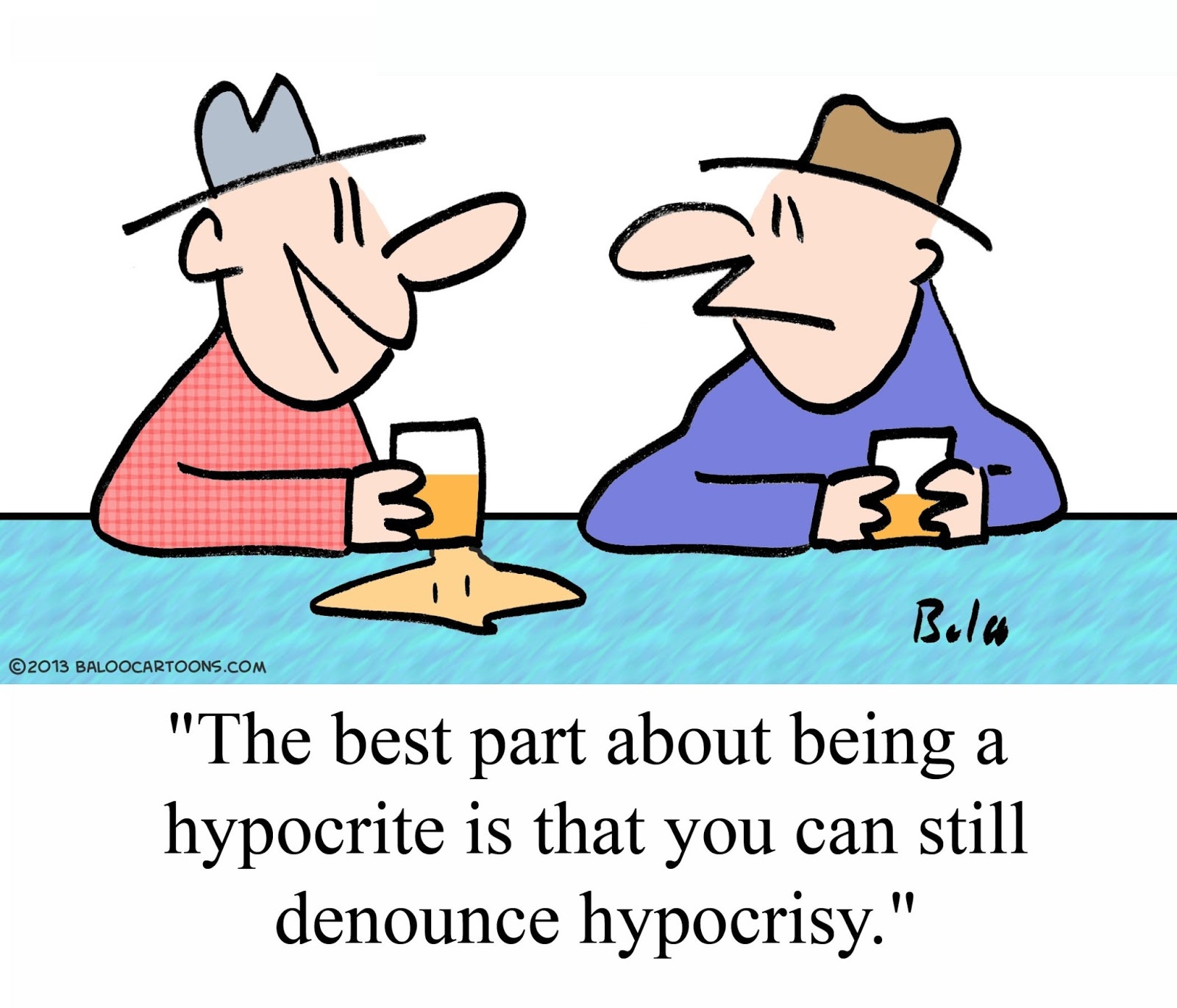
There is a troubling pattern in our public life: moral leaders who sound their trumpets loudly, yet hollowly choosing the easiest battles while leaving the hardest untouched.
Their sermons bloom like roses, but without thorns: ornamental, perfumed and harmless. They raise their voices against costumes, symbols and sensuality but fall quiet when confronted with corruption, violence and the erosion of trust.

(via Refinery 29.)
This is not moral courage. It is moral convenience.
When the pulpit trembles at Carnival, it is not society being defended; it is a performance staged for applause. A rose in a masquerade becomes the scandal of the week, while the daily realities of poverty, dishonesty and injustice pass without rebuke.
What does this reveal? That sexuality is the safest target. It requires no confrontation with power, no challenge to authority, no risk of consequence.
To scold Carnival is easy. To demand accountability from leaders is dangerous. And so, the sermon is directed at the people, never at the powerful.

And here is the truth:
Morality must not be selective. Morality that avoids power is not morality at all; it is theatre. Real morality confronts lies, defends the vulnerable against violence and demands integrity from institutions.
Carnival is not the crisis. Hypocrisy is. The danger is not in roses or revelry, but in the silence of those who claim moral authority while refusing to confront power.
The selective outrage of moralists who thunder against pleasure but whisper against injustice is the real decay.

Photo: Lost Tribe.
Real morality must carry thorns as well as petals. It must be willing to prick power, not just perfume the air with easy condemnations. Without that edge, it is nothing more than roses without thorns: fragile theatre, not morality but masquerade.
If faith leaders wish to guide society, let them do so with consistency and courage. Let them confront dishonesty, greed and violence with the same energy they devote to condemning costumes.
Otherwise, their words ring hollow, a trumpet sounding, but without the soul of the nation.
Until then, spare us the lectures about roses and revelry. Trinidad and Tobago’s wounds are far deeper and they will not be healed by moral theatre.
Let the sermons be fearless. Let the voices of faith rise where corruption festers, where violence wounds, where dishonesty corrodes trust and where injustice reigns.
This nation’s healing will not come from condemning pleasure. It will come from courage and consistency in confronting truth.
Anything less is performance, not prophecy.

A 13-year-old girl singing Tight and Pretty with sexually explicit lyrics is a child protection issue! The Child Protection Unit Read more
“[…] I remember July 27, 1990—the fear, the uncertainty, the families gathered around radios and television sets. The attempted coup Read more

“[…] (John Aboud’s Superior Hotels) consistently refused to adjust the project’s scale, design, or mitigation strategies, demonstrating a profound lack Read more

After the disgusting attack on Port of Spain South constituency executive alderman Wayne Griffith (we are all wishing for his Read more

A recent comment from a visiting sailor has stayed with me in a way that is both embarrassing and deeply Read more
“[…] In his 1971 book The Mechanics of Independence, ANR Robinson wrote that: ‘As financial rewards are lower in the Read more

Bryan St Louis is a former education officer for the Communication Workers’ Union (CWU).

How dare you criticize the Pope? Doesn’t the threat of eternal hellfire scare you?
Here are verified news articles / credible reports where Archbishop Charles Jason Gordon, Archbishop of Port-of-Spain (Trinidad & Tobago), has publicly addressed social needs and challenged the government or society to do better (especially on protections for vulnerable groups and broader social welfare issues):
⸻
📰 1. Archbishop Gordon urges the government to act on child protection and social risks
Source: Newsday & TTT News coverage of January 2026 press statements
• Archbishop Gordon called on the Government to consider legislation to protect children from social media harms, saying certain platforms are “more addictive than alcohol” and linking this to broader concerns about youth wellbeing and societal supports. 
• In the same context, he applauded some government measures (e.g., raising age limits for alcohol & gambling, tougher traffic penalties) but stressed the need for broader protective laws and supports for children and youth. 
📺 Related coverage:
• A CNC3 Television report (YouTube) highlighted his call for urgent government action to protect children from online harms. 
⸻
📰 2. Archbishop challenges society & government on youth crisis and mental health
Source: Newsday (January 16, 2026)
• In remarks ahead of a national briefing, Archbishop Gordon warned of a youth mental health crisis — highlighting rising suicide/self-harm and trauma among children and youth in Trinidad & Tobago.
• He called for immediate action from government, NGOs, educators, and all sectors to tackle what was described as a growing, urgent problem — implying that current social supports are insufficient. 
⸻
📰 3. Public calls for social cohesion, national identity and hope
Source: TTT News (Nov 2025)
• Archbishop Gordon publicly challenged the nation — including citizens and leaders — to rekindle love for Trinidad & Tobago and to confront negativity, despair, and fragmentation. While not directly a government policy critique, this speech implicitly challenged leadership and societal structures to better support national unity and social wellbeing. 
⸻
📰 4. Commentary indicating Archbishop’s concern with societal ills (broader context)
There are also older report snippets and archived mentions suggesting Archbishop Gordon has addressed broader social problems — including poverty, inequality and national challenges — though these are not as fully sourced in current mainstream articles. 
⸻
🧠 What these interactions show
Archbishop Gordon’s recent public statements reveal a consistent theme:
• He welcomes positive action when it aligns with social wellbeing (e.g., alcohol/gambling age-limits). 
• He urges proactive legislative and social measures — especially for children and youth — because he sees current policy as insufficient in addressing social risks and vulnerabilities. 
• He frames these not just as “Church issues”, but national social responsibilities that involve government, civil society, and citizens alike. 
⸻
If you want, I can pull actual quotes from TV interviews or written speeches with timestamps or links — just tell me the format you prefer (e.g., transcripts, video links, or summarised points) 👇