 Wired868 Wired868 for smart sport news and opinion
“[…] We are staring at a deeply wounded nation. Many are concerned mainly about the impact on business and the nation’s economy from direct effects of serious crime. But there is a more massive problem lurking.
“The mental health implications of the rising homicide rate in Trinidad and Tobago extend far beyond immediate physical harm. Survivors of violent crime often experience a range of psychological effects that can persist long after the incident.
“[…] Moreover, the mental health impact is not limited to direct victims…”
The following Letter to the Editor on the potentially dire mental health consequences of the current murder rate was submitted to Wired868 by Dr Russell Lutchman, consultant forensic psychiatrist, Birmingham, UK:
I am yet again deeply troubled about the homicide rate in Trinidad and Tobago. The TT Express article of 22nd August 2024, Alarming Trend by Alexander Bruzual, highlighted some disturbing facts and projections.
For 2023, 601 murders were predicted with the actual figure ending at 577. For 2024, the forecast is for 616 murders, with an upper limit of 847 and a lower limit of 386, of which the current count has already surpassed the lower threshold.
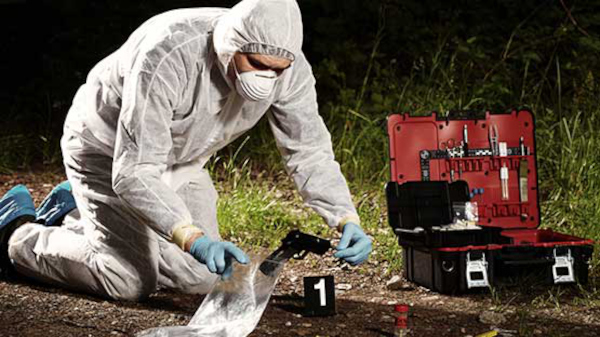
A societal disease afflicted the Nation, and it began around 2001 when the murder rate was between 151 and 171/yr. The hard historical evidence showed an almost exponential rise with peaks in 2008 and 2019.
No clear yearly trend down, approaching 2001 figures has ever been seen.
We are staring at a deeply wounded nation. Many are concerned mainly about the impact on business and the nation’s economy from direct effects of serious crime. But there is a more massive problem lurking.
The mental health implications of the rising homicide rate in Trinidad and Tobago extend far beyond immediate physical harm. Survivors of violent crime often experience a range of psychological effects that can persist long after the incident.
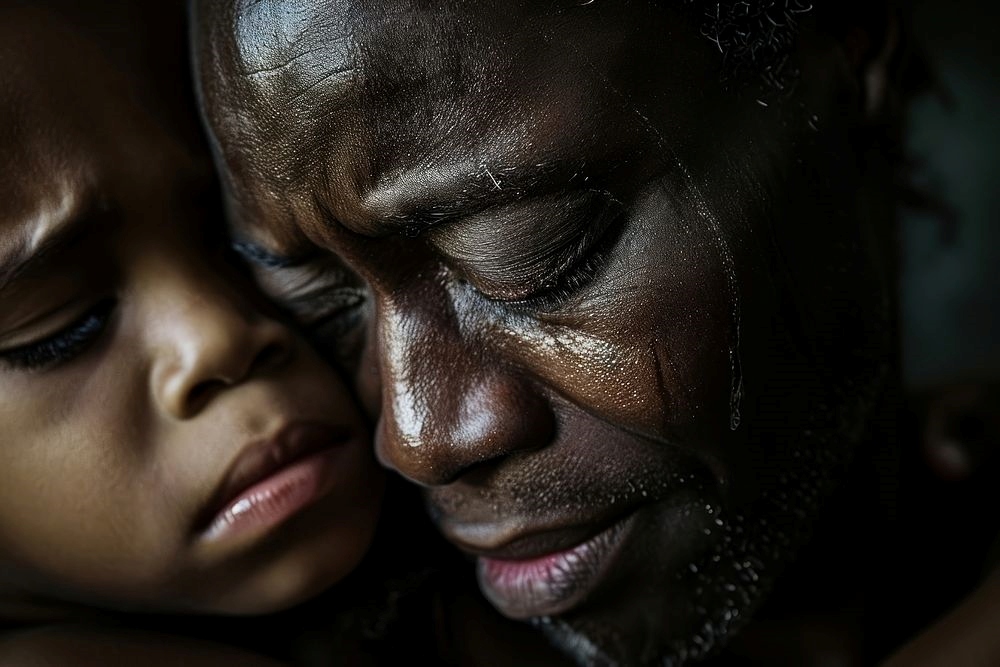
The trauma inflicted by witnessing or experiencing violence can lead to acute stress reactions, which may evolve into more chronic conditions such as post-traumatic stress disorder (PTSD) and enduring personality disturbances.
Moreover, the mental health impact is not limited to direct victims. Witnesses, family members, and entire communities can suffer from secondary trauma.
This collective psychological distress can manifest in various ways, including increased levels of anxiety, depression, and a pervasive sense of paranoia and helplessness.

Communities that experience high levels of violence often see a breakdown of social cohesion, leading to an environment where fear and mistrust flourish. The resulting social fragmentation can hinder community resilience and support networks, leading to a mental health crisis.
Children and teenagers are particularly vulnerable to the mental health repercussions of violence. Exposure to crime at a young age can disrupt normal developmental processes, leading to long-term issues such as behavioural problems, learning difficulties, and emotional dysregulation.
Studies have shown that children who witness or are affected by violence may develop maladaptive coping strategies, such as aggression or withdrawal, which can further entrench cycles of violence within communities.
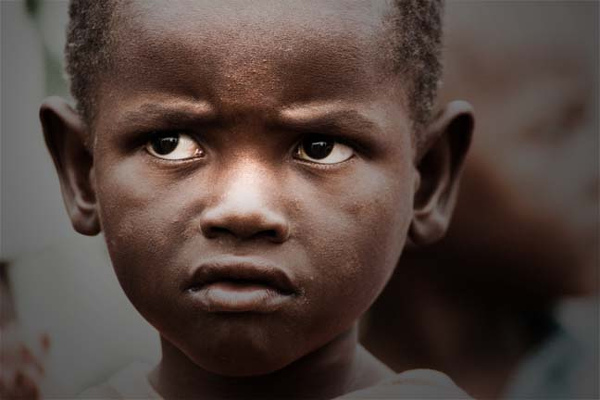
Photo: Heleen Van Deven
The ripple effects of such trauma can lead to intergenerational cycles of mental health issues, as children raised in environments marked by violence may be more likely to experience similar traumas in adulthood.
The economic implications of a mental health crisis stemming from violent crime are profound. A nation plagued by widespread mental health issues faces reduced productivity, increased healthcare costs, and higher rates of absenteeism in the workforce.
The stigma surrounding mental health can further deter individuals from seeking help, resulting in untreated conditions that can impede social and economic advancement.

Addressing this silent crisis requires a multifaceted approach that goes beyond law enforcement. There is an urgent need for comprehensive and responsive mental health services that are accessible, culturally sensitive, and integrated into community support systems.
Trinidad and Tobago’s rising homicide rates signify not only a public safety or looming economic crises but also an unfolding mental health emergency.
The escalating violence underscores the urgent need for comprehensive interventions that address the root causes of crime, such as poverty, inequality, and lack of access to education and employment opportunities.

Without proactive measures to treat these underlying issues, the psychological fallout from violence will only deepen, perpetuating cycles of trauma and despair. The nation risks entering a downward spiral that could irreversibly damage its social fabric and economic viability.
Recognising the intricate link between crime and mental health is essential for developing effective interventions that foster resilience and healing in affected communities while simultaneously addressing the societal factors that contribute to violence.
A holistic approach, combining mental health support with initiatives aimed at prevention and community empowerment, is crucial for creating a safer and more prosperous future for all.

Coffee and chocolate have spent years in and out of medicine’s good books. One month, coffee is blamed for palpitations, Read more

There is one image from childhood that has never left me. After the Common Entrance results were announced, the school Read more

A few months ago, I asked an elderly patient a question I ask dozens of times each week: “How are Read more

“[…] I remember July 27, 1990—the fear, the uncertainty, the families gathered around radios and television sets. The attempted coup Read more

I was a fair way into my column when the call came. It was from one of the sharpest, most Read more

There is something quietly disarming about watching a child see a giraffe in the zoo for the first time. The Read more

Want to share your thoughts with Wired868? Email us at editor@wired868.com.
Please keep your letter between 300 to 600 words and be sure to read it over first for typos and punctuation.
We don’t publish anonymously unless there is a good reason, such as an obvious threat of harassment or job loss.

Well said. The sad thing is that we are already there. The stresses citizens are under are best reflected on the nations’ roadways, where any “bad drive” is met with the threat of violence against law abiding members of the public.