 Wired868 Wired868 for smart sport news and opinion
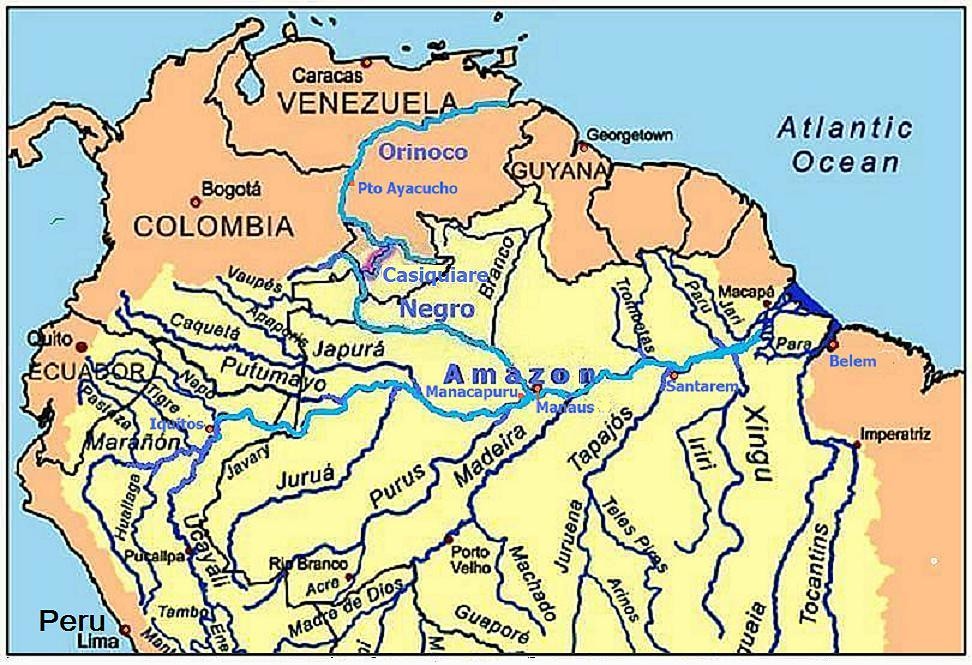
On most maps, Trinidad and Tobago is a small smudge near the mouth of the Orinoco River. In real life, it is a place of astonishing biodiversity, and a place that bigger powers have long treated as useful.
Empires, oil routes and warships have passed along this coast, rearranging both people and plants. Today, one kitchen vine brought from India is quietly re-enacting that history at full scale—across yards, verges, and forest edges.
(via Flickr.)
Most of us in Trinidad and Tobago grew up knowing that our ancestors came from elsewhere: African, Indian, Chinese, Syrian, European—a tangle of journeys layered onto two small islands.
The great exception is the First Peoples, who were here long before colonisers and shipping lanes.
To become at home as a nation, we do not need to deny that most of us are transplants. We need to understand where we were brought to, and then choose our response.
Colonialism rearranged both people and the living world. We can either live in ways that heal some of what was broken, or keep deepening the damage.

(Courtesy Annalicia Caruth/ Wired868)
Botanists estimate that Trinidad and Tobago have about 3,600 vascular plant species. Roughly two-thirds are native, and about one-third arrived from somewhere else—carried deliberately or accidentally by colonisers, enslaved and indentured people, merchants, missionaries, and trade routes that moved seeds as easily as they moved sugar and labour.
On paper, “one in three” sounds like a technical detail. But once you sit with it, that fraction starts to feel familiar. Our forests, roadsides and gardens are a patchwork of arrivals. So are we.

Because of where these islands sit, Trinidad has always been a threshold—a narrow seam between South America and the open Caribbean. People have crossed it for centuries. So have ships that feed the northbound trade, everyone knows, and nobody names.
You can feel that history in the way the sea lanes never quite relaxes: the occasional hard glitter of patrol lights, the low urgency in conversations, the way the horizon seems to listen back.

Even the sky can be breached—the sudden, thunderous passage of US army helicopters overhead, rattling windows and nerves. Canoe, galleon, tanker, steel hull: the forms change, but this place remains what it has always been: a passage in and out of a continent.
Garden with Wings, a small butterfly and pollinator garden supported by the Friends of the Botanic Garden, is located within the Royal Botanic Gardens in Port of Spain.
It was planted as a quiet act of botanical repatriation: a demonstration plot that aims to tilt this old imperial show garden back towards its pre-colonial plant communities, using native host and nectar plants that belong to this place.
The Gardens themselves were founded in 1818 as a tropical outpost of Kew, a living catalogue of what Britain could collect, label and control. The design, the plant labels, the very choice of species were a kind of botanical propaganda.
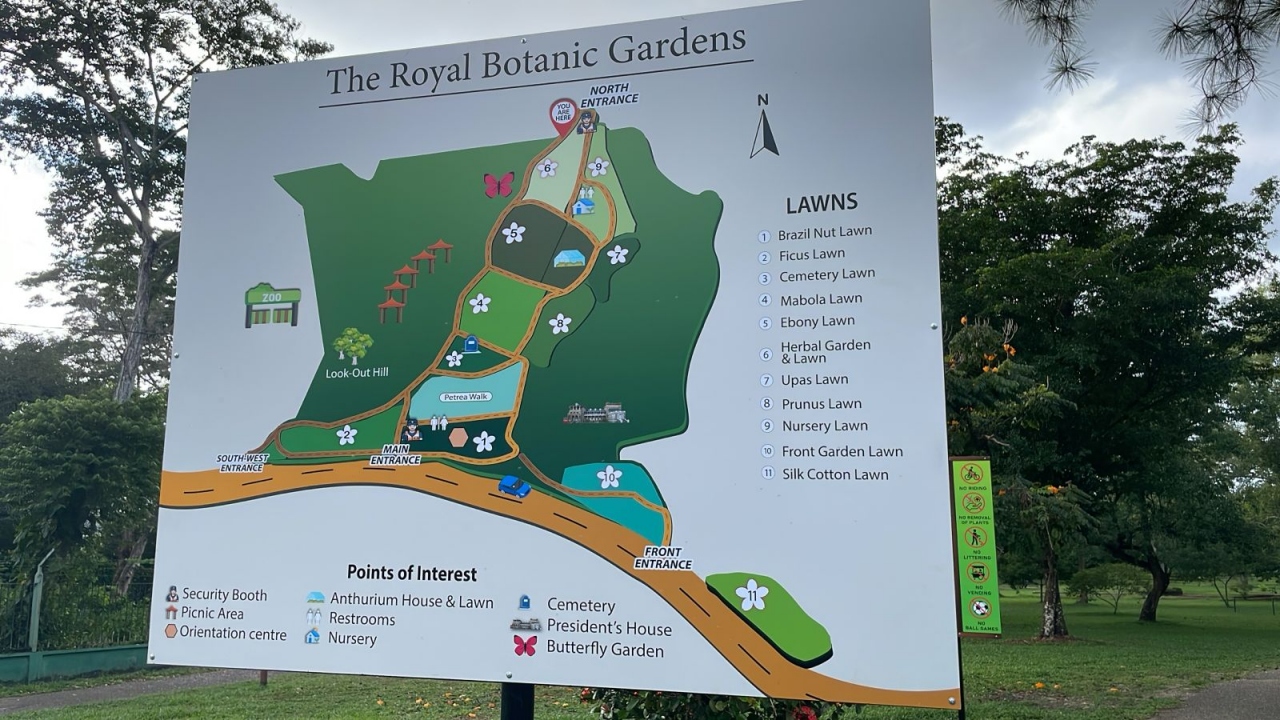
Photo: Emily Chee Wah/ GWW.
Two centuries later, the setting feels gentle. Children ride scooters under Brazil nut trees; couples picnic in the shade of samaan and guanacaste. Most visitors see a peaceful park, not a catalogue of empire. And under those imported trees, another arrival has slipped in—not with fanfare, but with persistence.
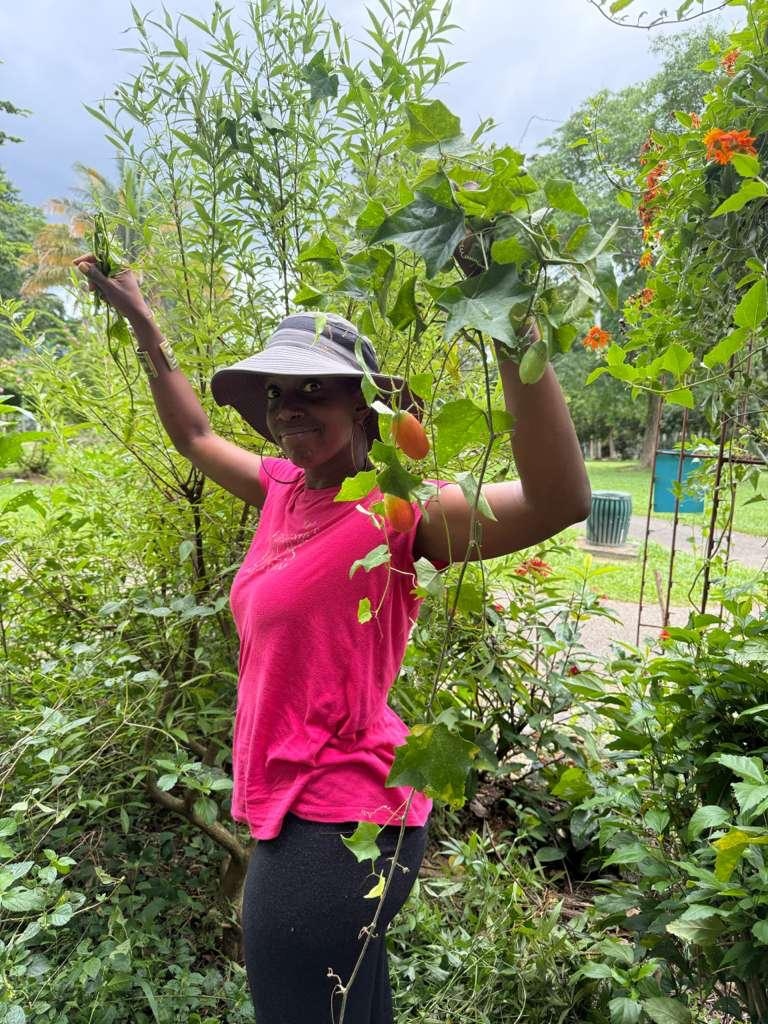
Coccinia grandis is a climbing vine with lobed leaves and small, elongated fruits that ripen to a mesmerising red. In Trinidad, it is known as “bitter cucumber”, “wild cucumber”, or “kunduri” and “tindora” in India.
Even within Indo-Trinbagonian families, the same vine lives under different names: kunduri in one kitchen, bitter cucumber in another, and sometimes no name at all. But the moment we learn to recognise it, we gain a different kind of choice: whether to pull it up as a weed, or treat it as food, medicine, and memory.
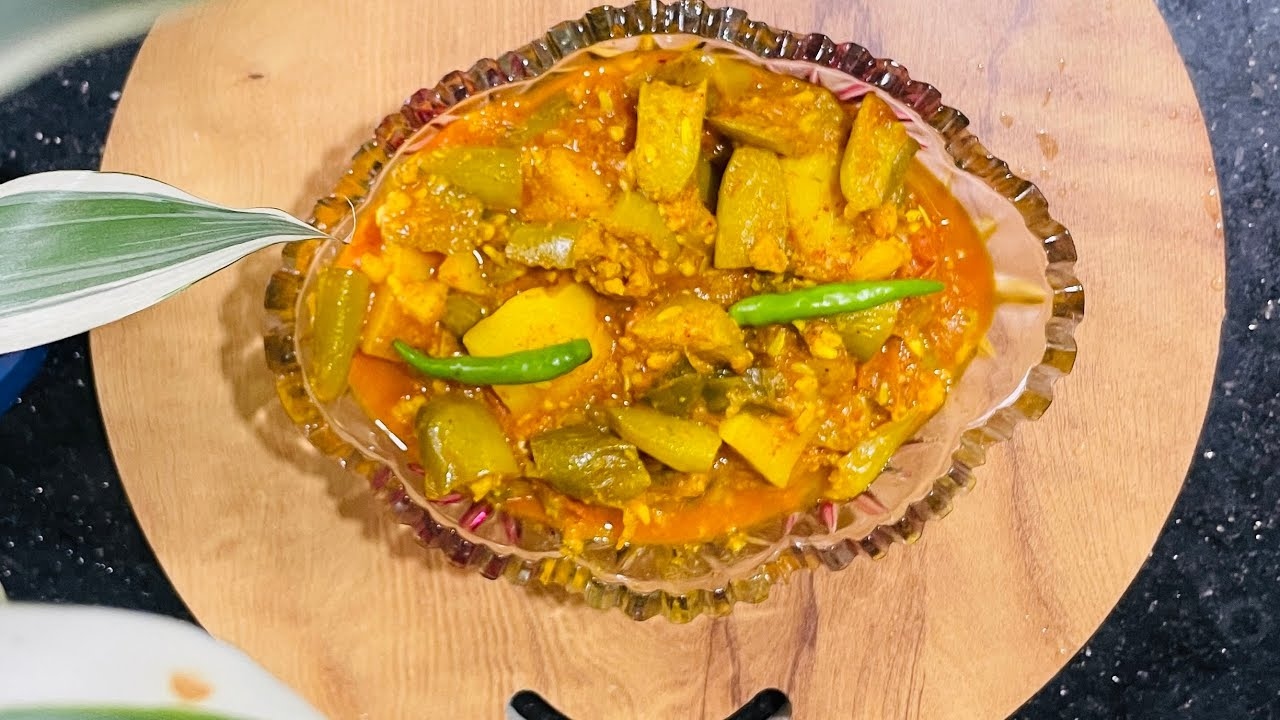
In India, tindora is an everyday vegetable—sliced into curries, stir-fries, and pickles—and it also appears in traditional medicine, including uses associated with blood sugar management.
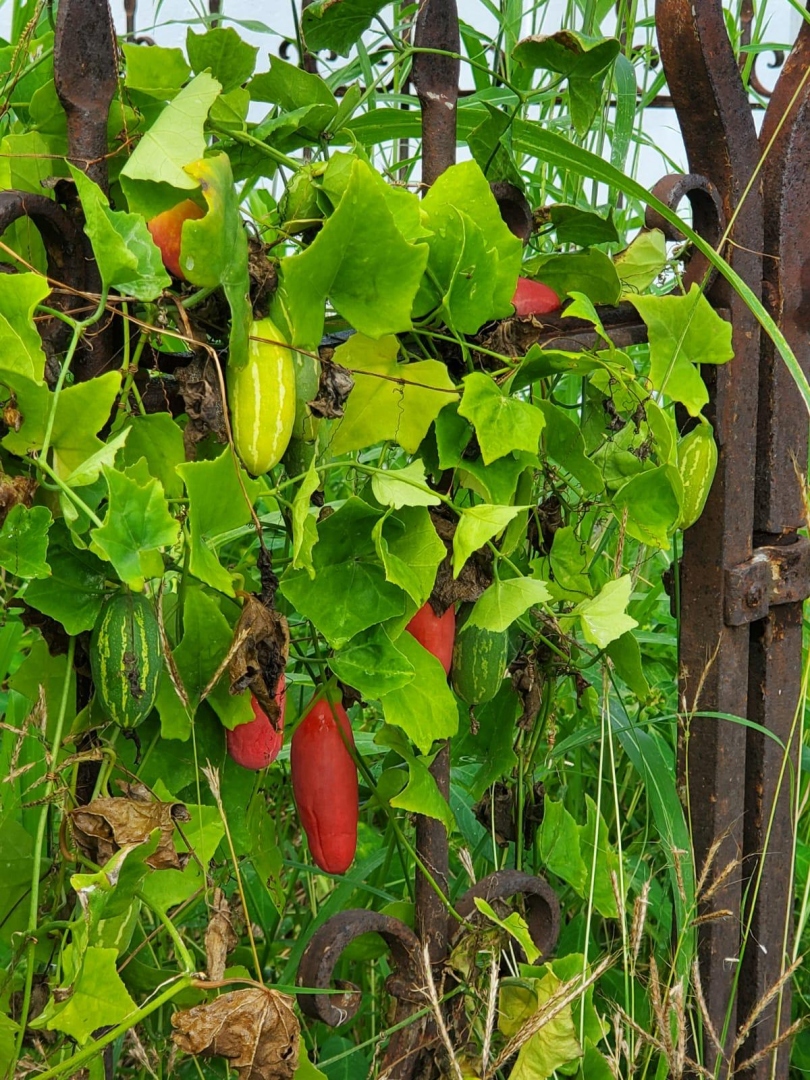
Photo: Yvonne Carrington.
We do not have a ship’s manifest listing “one packet of kunduri seeds bound for Trinidad.” What we have is a pattern.
Between 1845 and 1917, roughly 140,000–150,000 Indians were brought to Trinidad as indentured labourers, mainly for sugar estates. They arrived with very little in their hands, but a great deal in their heads: recipes, remedies, holy days, and the names of plants that could keep a family fed.
Wherever Indians settled, kitchen gardens followed. First behind barracks and later behind houses, places where the new climate was tested against old crops.
It is not hard to picture someone leaving home with a few seeds sewn into a seam or tucked into a pouch—insurance against hunger, a promise of familiar food at the end of an unknown ocean.
In those early years, a vine like kunduri would have offered something precious: a familiar taste in a strange land. It also offered agency. Planting one’s own food in soil one did not own was a small act of selfhood in a system designed to strip it away.
In that sense, Coccinia grandis belongs to the Indo-Trinidadian story of survival and adaptation. It belongs emotionally with roti, channa and tassa. It is one of the many plants that arrived with people whose “choice” to migrate was shaped by poverty and empire—and who still chose to build lives here.
But kunduri is not a modest plant. It is fast, opportunistic, and hard to kill. It races along fences and up saplings. Its roots grow swollen and tuberous, storing enough energy to resprout even after the top is cut down.
Birds eat the ripe fruits and drop the seeds far from the original garden. In a kitchen plot, those traits are a blessing. Outside the fence, they become something else.
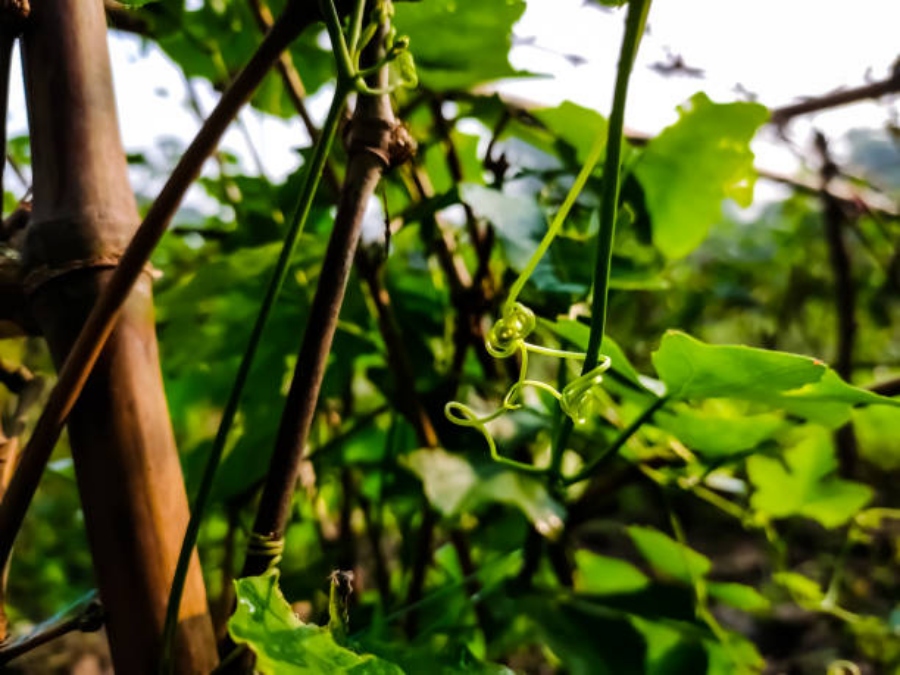
Photo: iStockphoto.
Ecologists reserve the word “invasive” for species like this—not simply because they are foreign, but because they spread without human help and cause harm to native ecosystems or agriculture.
Across the tropics, Coccinia grandis has followed a familiar trajectory: first a useful vegetable, then a nuisance, then a listed invasive. In places such as Hawai’i and Guam, it is known for climbing over shrubs and trees and throwing a heavy green blanket over everything beneath, thereby blocking light until the plants beneath weaken or die.
In Trinidad, gardeners and naturalists are noticing the same pattern on a smaller scale. Kunduri spills over back fences and creeps across walls. It drapes over neglected places like Lapeyrouse Cemetery in Port of Spain, wrapping marble crosses and old Catholic names in a thick green shawl—an Indian kitchen vine quietly winding itself around the colonial dead.
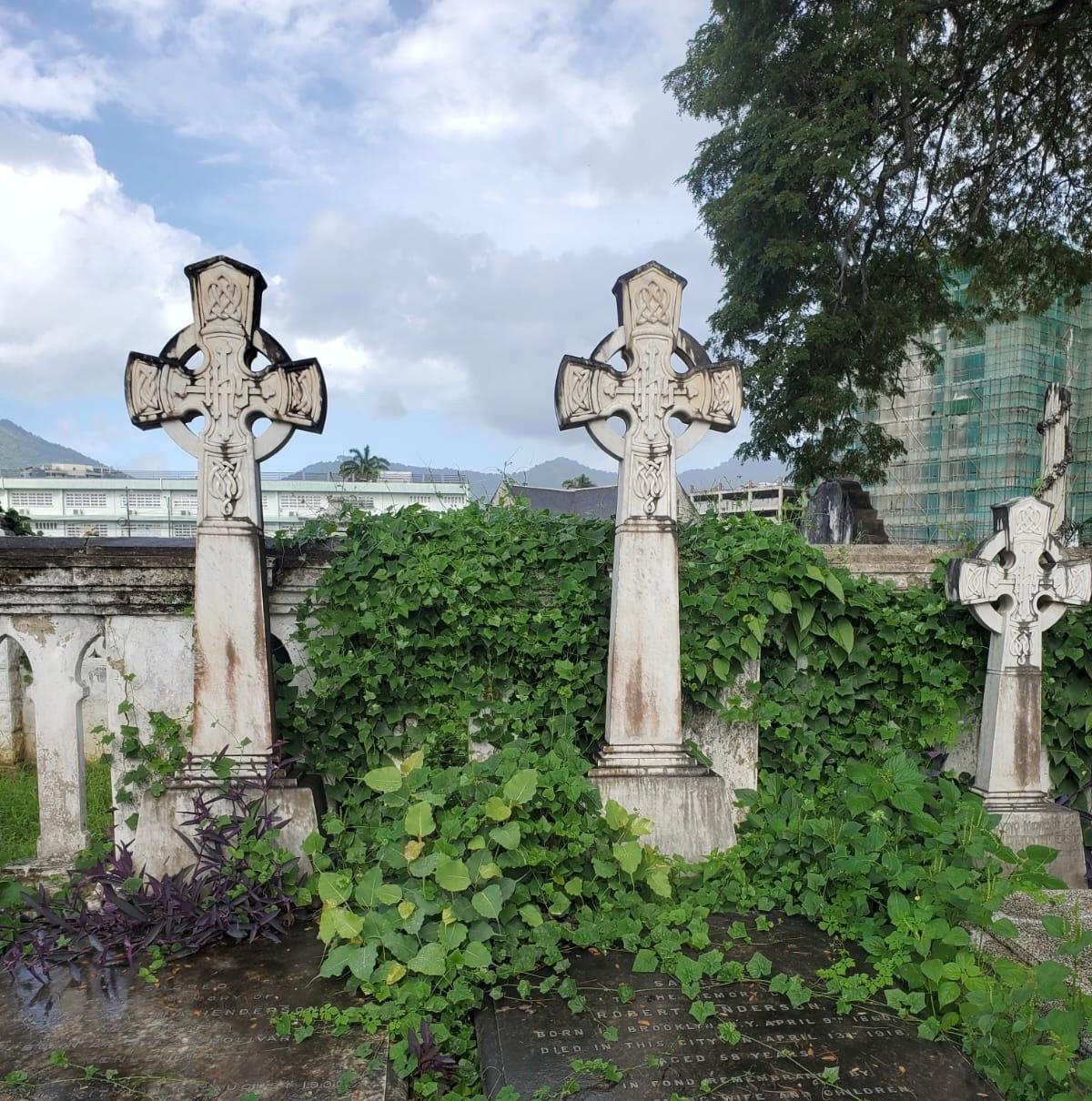
Photo: Yvonne Carrington.
Garden with Wings is meant to be a small act of rewilding—a demonstration of what these islands might have looked like before cane, concrete, and imported ornamentals. Still, that vision is constantly tested by kunduri, which appears uninvited.
It slips in from the disturbed landscapes around it. It threads through carefully chosen host plants, races up trellises, and tangles itself into shrubs that butterflies rely on.
Volunteers learn quickly that cutting the visible vine is not enough. The satisfaction lasts a day. Then it returns.
So they trace it back: leaf by leaf, tendril by tendril, following the line down through the tangle until it dives into the soil. And there, wedged in place, are those knotted tubers—stubborn stores of tomorrow—like clenched fists in the earth.
Sometimes you get the whole root. Sometimes it breaks. Either way, the lesson holds: if you want it gone, you have to take the underground seriously.
For Trinidad and Tobago wildlife, that green blanket is largely barren. It does not provide the same food, shelter or seasonal signals that native plants do.
Where it dominates, diversity thins. Not everything green is good. Not every “hardy” plant is harmless.
Kunduri’s journey to Trinidad is one small chapter in a much larger story historians call the Columbian Exchange: the vast, ongoing movement of plants, animals, microbes and people between worlds that accelerated after 1492.
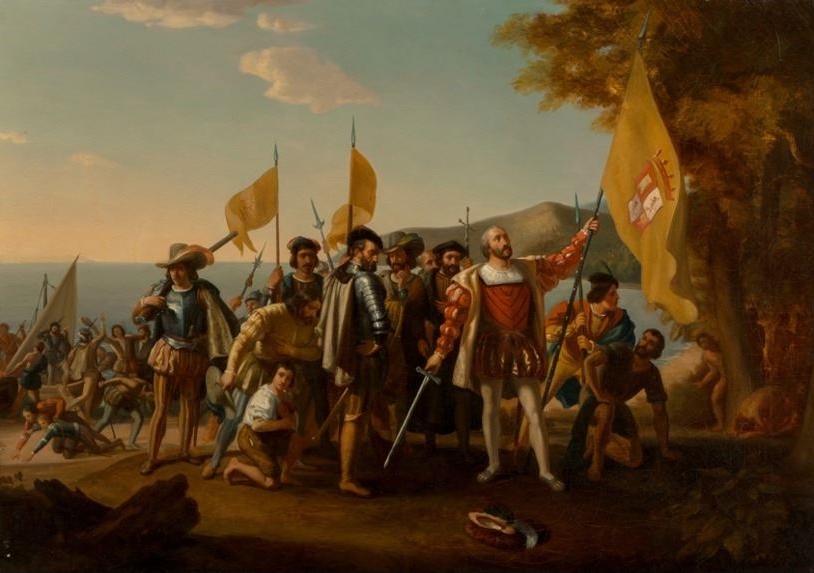
(Copyright Latina American Studies)
Some movement was deliberate; some was catastrophic; much of it was accidental. Ships and trade routes move not only goods and labour, but seeds, eggs and spores. Corridors move everything.
The Royal Botanic Gardens were one node in that network—a place where imperial botanists investigated plants from across the world to see what might be profitable, ornamental or controllable.
Some of those plants settled gently into existing ecosystems. Others proved perfectly adapted to a world of disturbed soils, fences, and fragmented forests.
It would be easy to end with a simple story: “bad” vine, “good” gardeners. But kunduri holds up a deeper mirror. The truth is that most of us in Trinidad and Tobago are, historically, introduced.

Photo: Allan V Crane/ Wired868.
If you roll history back far enough, only the First Peoples can say: “We were here before the ships.” The rest of us arrived because empires needed labour, land, markets or military footholds.
None of that is our personal doing. We did not sign those contracts or steer those boats.
People are not weeds. When we borrow ecological language, it must be about behaviour and systems—not human worth. Still, we are living inside the consequences of those movements, and we are making choices now, whether we mean to or not.
So the important question is not: “Do we belong?” We are here. The real question is: now that we are here, how will we live?
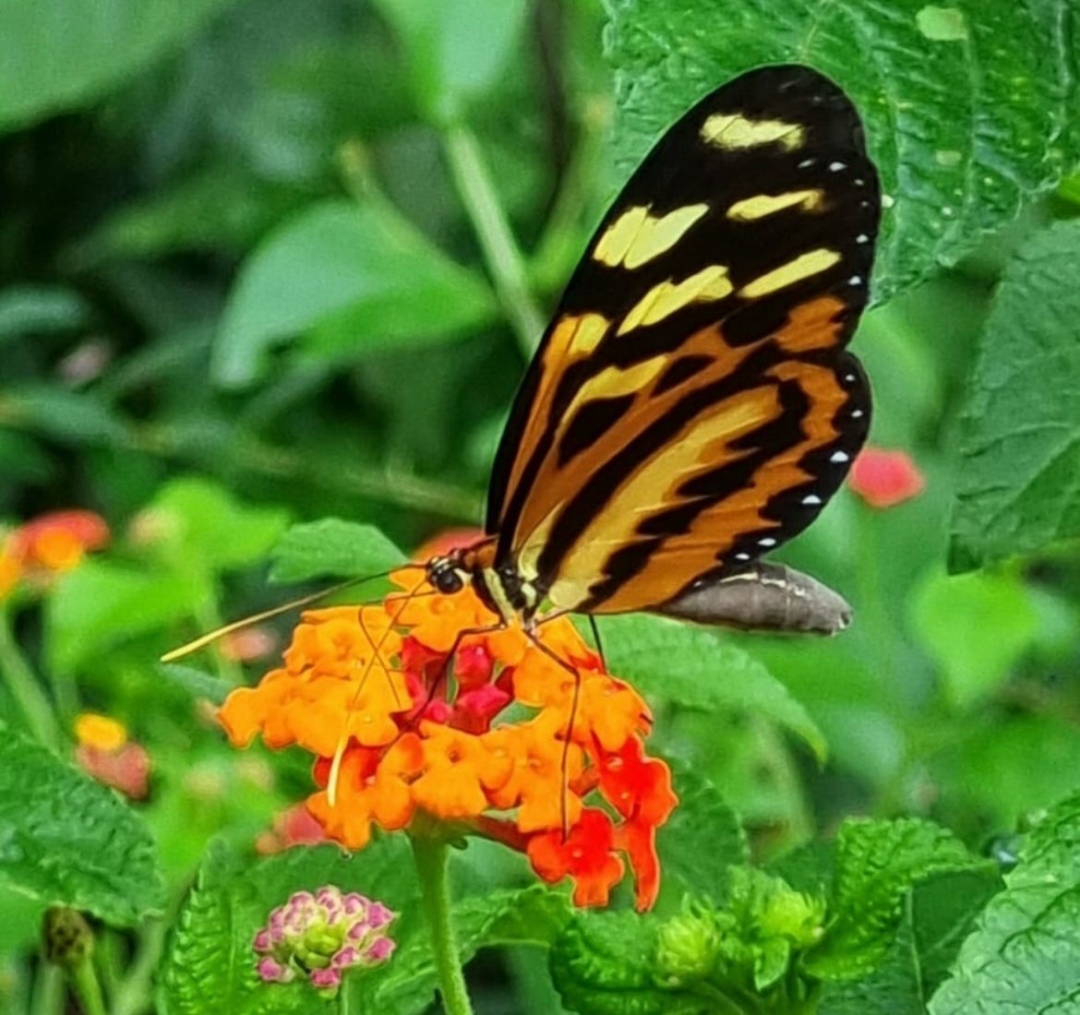
Lantana are great food sources for butterflies but can be smothered by the aggressive kunduri.
Photo: Serina Hearn.
Will we move through this place like an invasive species—taking what we can, spreading without regard for what we displace, treating the land as a backdrop to our problems?
Or will we accept that we are arrivals in an already ancient place and try to behave less like conquerors and more like neighbours—learning the names of the pollinators that feed us, understanding how to support biodiversity, paying attention to the plants under our feet and the animals that depend on them?
Responsibility starts with a deceptively simple act: learning to see. We cannot care for what we cannot see, and we cannot see what we have never learned to name.
Part of truly belonging here is educating ourselves so that the blur of “green” resolves into actual species—the difference between a native immortelle tree and an imported ornamental like the flamboyant tree from Madagascar; between a vine that feeds a Trinbagonian butterfly as a host plant for its caterpillars, and a vine that strangles its host.
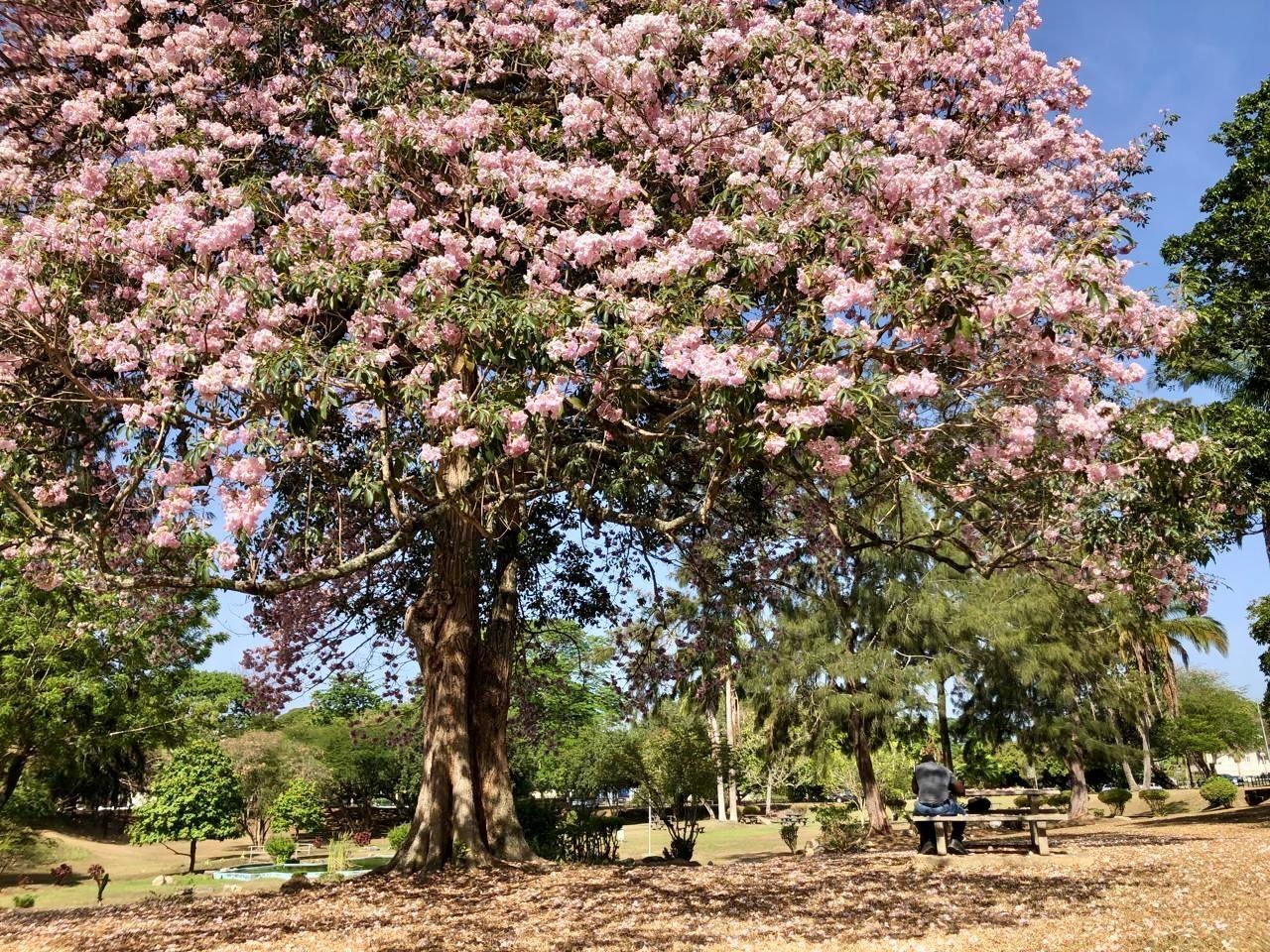
Photo: Gabriel Woodham.
In Garden with Wings, volunteers spot kunduri at a glance: the leaf shape, the climbing habit, the swelling where it dives down. They learn quickly that snapping the stem is theatre. If you want it gone, you have to follow it patiently to the root and dig.
Once you have seen kunduri, you start seeing it elsewhere—along fences, in forgotten corners, lifting itself onto saplings at the forest edge. And once you know what it is, you cannot un-know it.
Most of us cannot control the shipping lanes or the policies made far from here. What we can control is smaller: a yard, a balcony, a school verge, a community plot, a corner of the Botanic Gardens.
But small choices have immediate consequences. Pull the vine properly. Put a native host plant back. Make room for the life that belongs here.
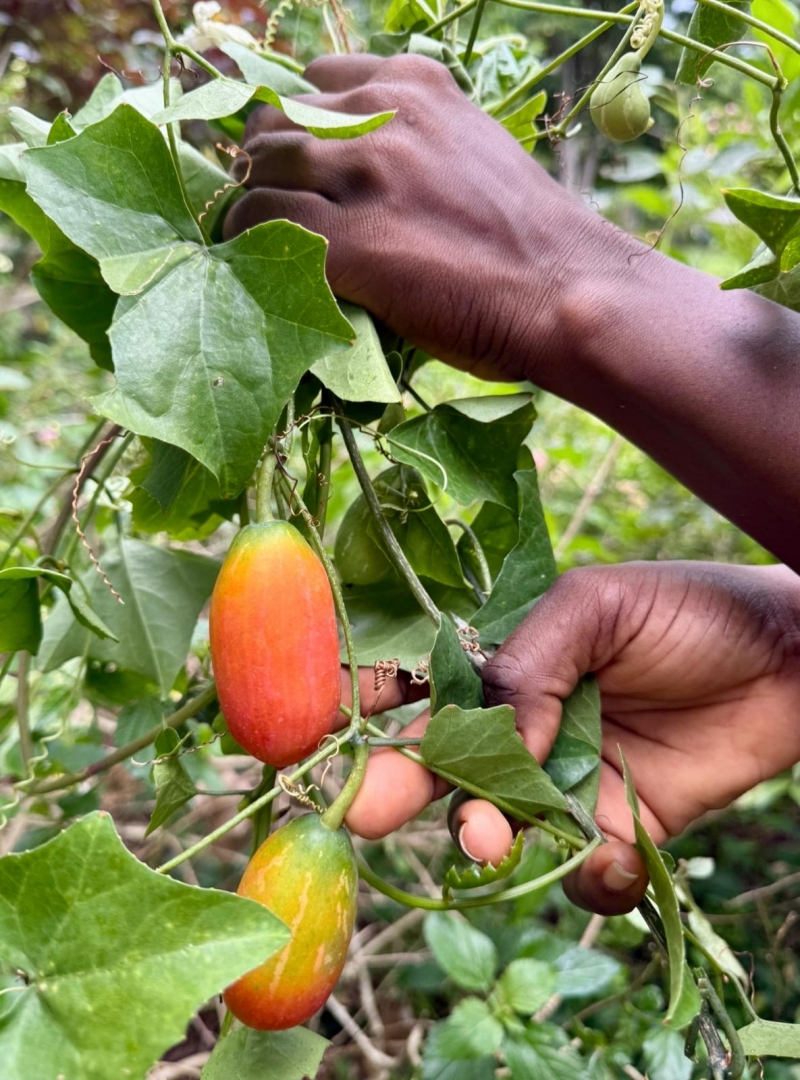
Photo: Serina Hearn.
Kunduri has become an instructor. It shows how easily something useful in one context can go too far in another. It teaches that sometimes removal is an act of love.
It reminds us that gardening is vigilance—between past and future, and between our needs and the needs of everything else that calls this place home.
None of these small acts will erase the past. They will not undo centuries of displacement. But they do begin to answer a bigger question: what does it mean, as descendants of people brought here, to live as if this place truly matters?
To become grounded as a nation, we do not need to pretend we are anything other than what we are: a people of arrivals, living on islands that long predate us.

In learning to see, in pulling up a single invasive vine and protecting a single host plant, we are not just tending a garden. We are practising—again and again—the choice to grow real roots in the beautiful, paradoxical ground of Trinidad and Tobago.

Opposite West Mall, on the Western Main Road, a mysterious derelict colonial building—rumoured to have been a church—stood like a Read more

Responses to the declaration of a state of emergency have predictably been draped in political flags. As usual, everyone knows Read more

In a Field Guide to Getting Lost (2005), Rebecca Solnit wrote of the places in which one’s life is lived: Read more

What I established last week was that Trinidad and Tobago, like most small island states that were once colonised by Read more

In honour of our fifty-eighth Independence anniversary, I visited Woodford Square, aka The People’s University, where seeds of Trinidad and Read more

“[...] We are at the brink of self-immolation; do we want to continue blithely polluting the space that sustains us? Read more
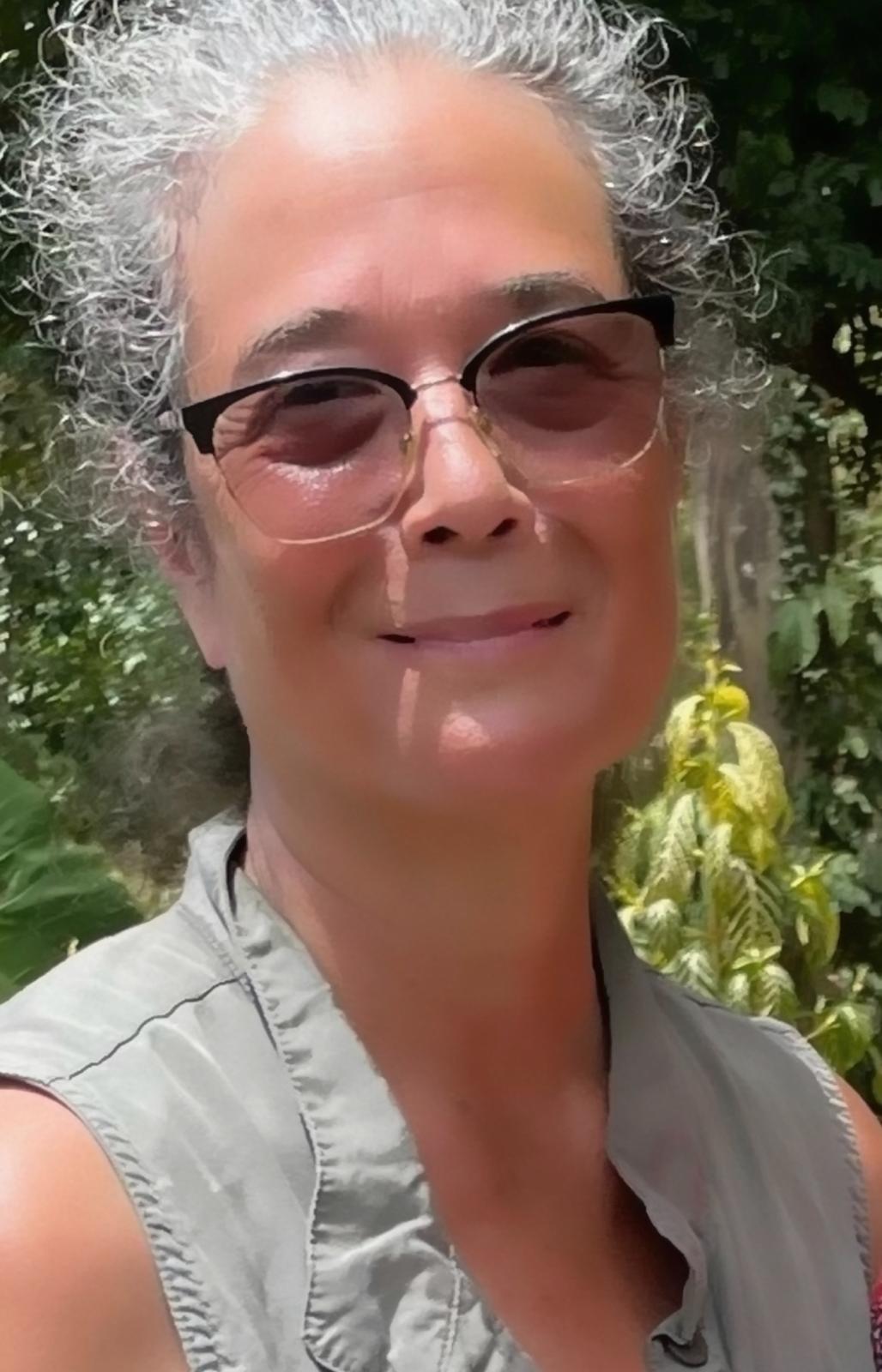
Serina A Hearn is a poet/writer and environmental activist and a Bishop Anstey alum who attended St Martin’s School of Art, London, UK. She conceived and curates the Garden with Wings pollinator project at the Royal Botanic Gardens (2020) and is the author of two poetry collections (Mid-America Press; Woodley Memorial Press), with a third book in progress.
