 Wired868 Wired868 for smart sport news and opinion
“[…] It was a bit of a slap in the face. Knowing the work we put in to take that team to where we did, what we had to go through to get the players to join, the change in the dressing room, and the culture of the football.
“[…] Anyone who saw Trinidad and Tobago play over the year we took the rein, you don’t have to be a football expert to see the improvement. You are seeing a team that can compete and not get played off the football pitch.
“[…] Kieron Edwards was next to us on all those journeys having conversations on the side of the pitch, saying this team is moving forward—and then to come and undermine the work we have done. He is being disingenuous…”
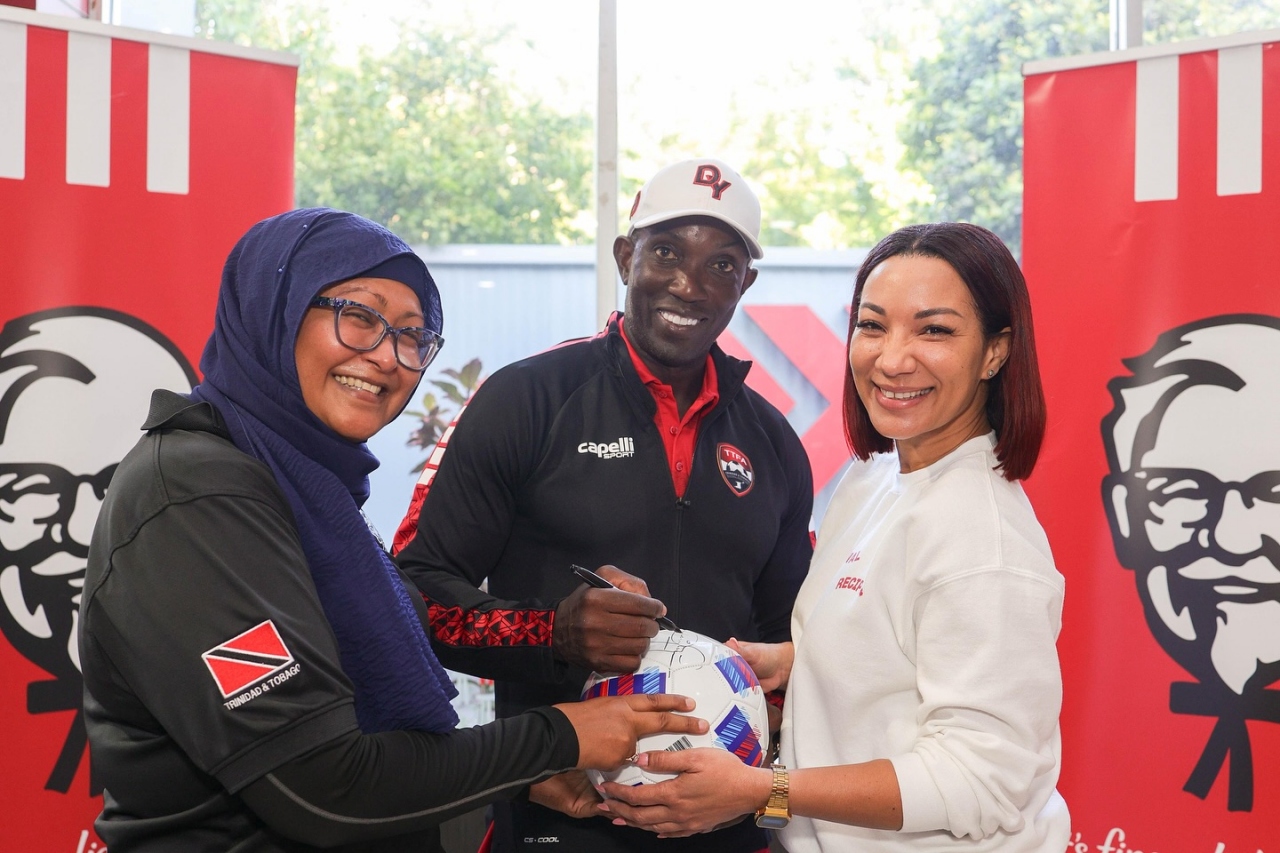
KFC is one of several sponsors who came on board after Yorke’s arrival.
(via TTFA Media.)
Dwight Yorke steered the Trinidad and Tobago Men’s National Senior Team into the 2025 Concacaf Gold Cup and the final Concacaf round of the 2026 World Cup qualifying series.
The Soca Warriors failed to advance from their group at the Gold Cup—which comprised USA, Haiti and Saudi Arabia—and finished below Curaçao and Jamaica in the World Cup qualifiers. So, was Yorke a success or flop? Or somewhere in between?
Yorke, Trinidad and Tobago’s 2006 World Cup captain and ex-Manchester United star, talks exclusively with Wired868 about his job with the Soca Warriors, working with Trinidad and Tobago Football Association (TTFA) president Kieron “Bo” Edwards, explains his selection decisions, and reveals the one moment he wishes he could get back as national coach—and how Nathaniel James might have changed everything:
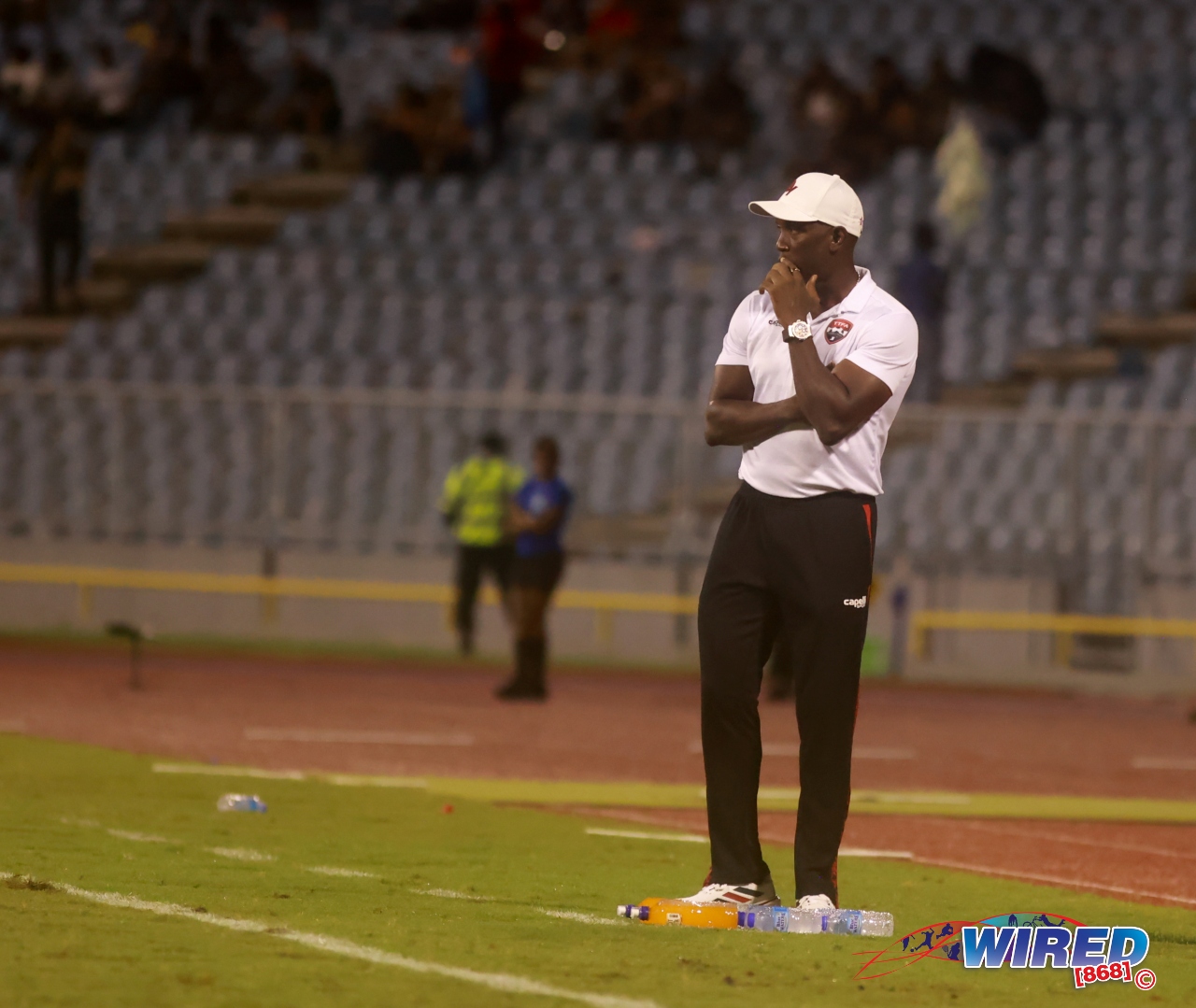
Photo: Nicholas Bhajan/ Wired868.
Wired868: Good afternoon, Dwight. If you are in Dubai, I hope you’re safe and things are okay there right now.
Dwight Yorke: Yeah, all good. We are very fortunate, despite a little bit of hiccup here and there… We’re kind of like just on the outskirts. There are a few little moments, but nothing too [alarming]. And Dubai is pretty much 90% operational, so it’s all good.
Wired868: All right. Just the airline travel would be complicated?
Yorke: Yeah, it is. But they’re 60% operational in terms of flights, so that’s not too bad.
Wired868: All right. Well, a lot has happened in your career over the last year or so as you stepped into new territory as an international coach. And we all saw how it ended—with TTFA president Kieron Edwards rating your tenure as a five out of 10.
What is your response to all that’s happened, I suppose since the Bermuda match?
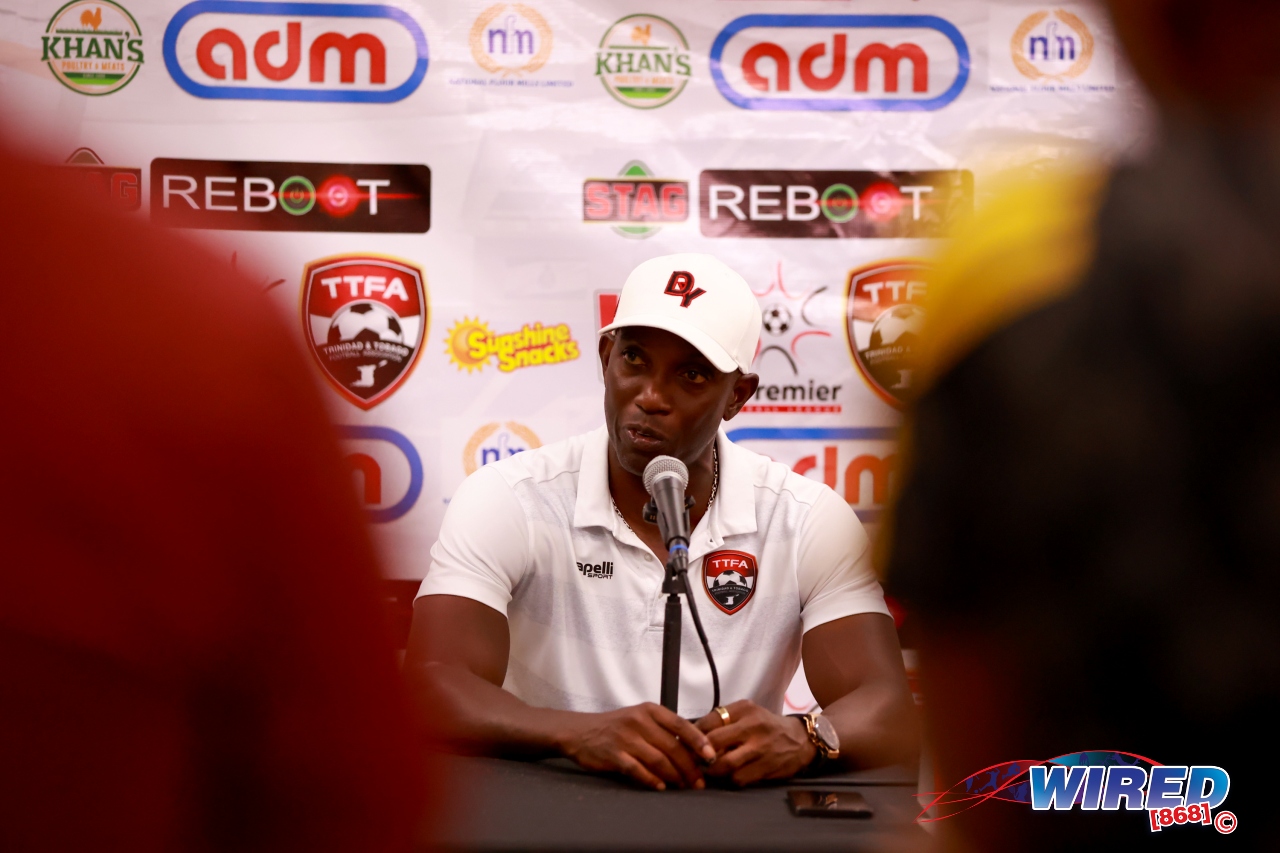
Photo: Nicholas Bhajan/ Wired868.
Yorke: Yeah, first to begin with, it’s truly an honour and a privilege to represent the country—not just from the playing side, but given the opportunity to manage the team. In a very short space of time, we were asked to try and accomplish something, which is to qualify the team for the biggest sporting event in the world. So, I was under no illusion when I took the job.
I knew that the challenge of the Trinidad and Tobago job was never going to be as straightforward as you would like it to be, like a lot of jobs in the world of football.
However, it was a great opportunity for me to come in there with my experience and the [experience of my] backroom staff of having played at that level for so long, and understanding the culture of the people, to try and turn around something that was building but not really where our international football should be.
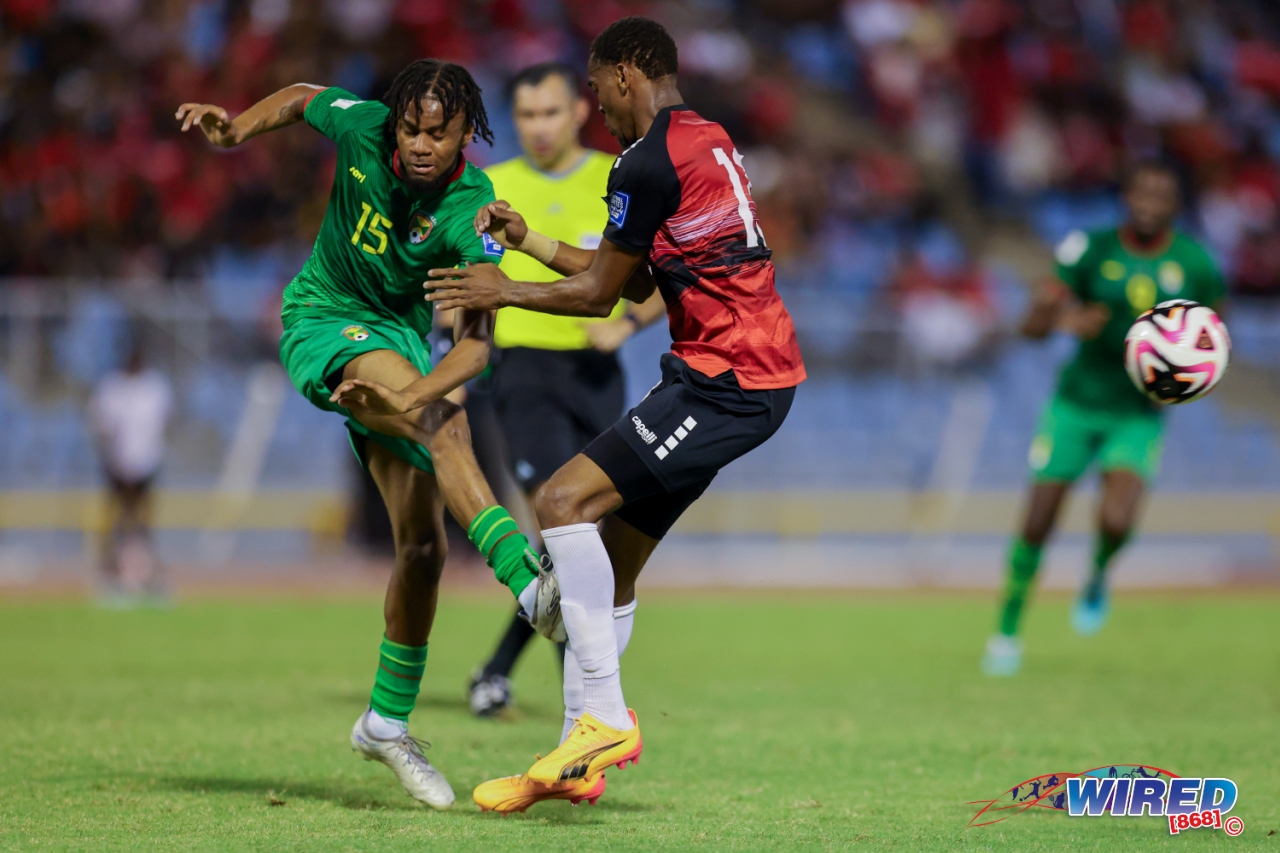
Grenada held 2-2 in what would be coach Angus Eve’s last match window as the Men’s National Senior Team head coach.
Photo: Daniel Prentice/ Wired868.
And although Angus [Eve] had done a terrific job, the football wasn’t really growing as fast as everybody thought it might have been. And so, coming into the job, we had to analyse what Angus had done up to that period of time; and we had to evaluate it very quickly.
As you know, in international football, you have very limited time. You don’t get to spend as much time with players as a club manager, where you get to work with the players day in, day out, and you get to understand them—and your ideas and philosophy can be cemented in a period of three months.
We had phases that we had to go through. So, the first thing when we got the job and we had our first session, I think it was at the Ato Boldon Stadium.
And then we realised straight away, well, if this is what Trinidad and Tobago’s football has got, then we’ve got some work to do—because there were many players there who were not of international level. But that was the best that Trinidad and Tobago probably had.
We knew that if we had to have any hope of qualifying for the World Cup, that we needed to make some changes.
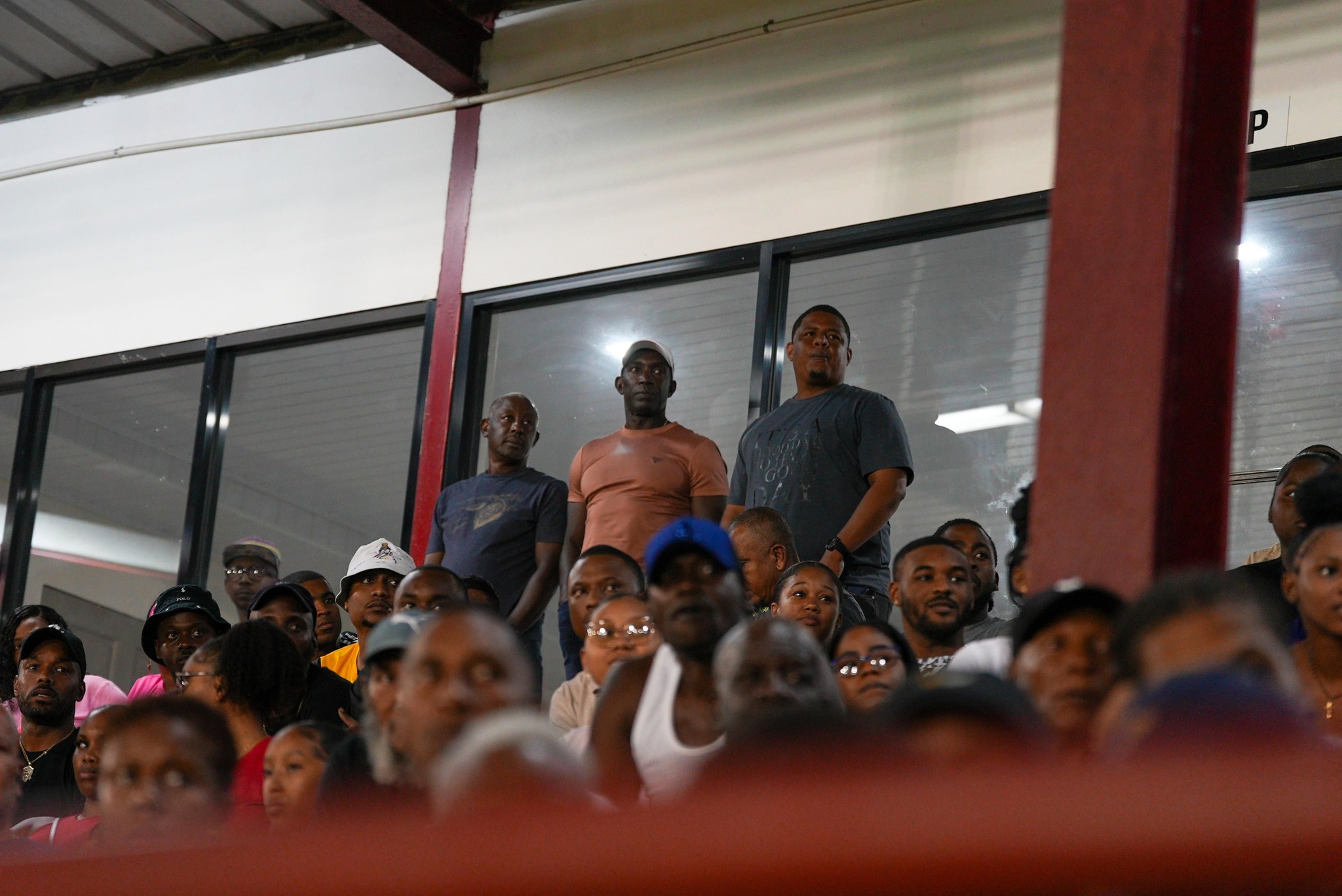
Photo: Daniel Prentice/ Wired868.
Wired868: Can I ask what you felt were the deficiencies in the players you saw? What was the main thing that they were missing, you felt?
Yorke: First and foremost, we had an ageing group. We needed to address that situation. We needed young players… We needed to introduce new people into the system. So once we recognised that, we started to scout—certainly in America and for one or two players who may have been playing at a lower level in the UK.
So, we started to really send out the message to try and get to these players and to see how quickly we can get them in. But of course, with the international window, you only have a limited amount of time to really assess these players. It’s not like I was flying to go and see these players play, so I can have an idea of what their capabilities were.
We were getting videos sent to us, but of course people send the good clips, right? They won’t send you the not-so-good clips… Anyway, to cut a long story short, we needed to change the dynamics of the football team. We needed more energy; we needed people who were playing at a higher level.

Photo: Nicholas Bhajan/ Wired868.
We felt that the local guys weren’t going to cut it. There were still one or two players that we considered to be good enough to be in the squad, but they were not where they’re supposed to be if we were competing against the likes of Jamaica and Curaçao, who were ranked above us, by the way.
I think people take for granted that we’re Trinidad and Tobago, so Curaçao and Bermuda and those teams should be easy pickings. That probably used to be the case—certainly when I was playing—but it is certainly not where Trinidad and Tobago’s football is when we came in. They were miles off that.
Wired868: Back in 2006, you had Aurtis Whitley who was playing in the Pro League and able to start at the World Cup. So why are our local players not at that level anymore? What are they missing? Is it technical? Game IQ?
Yorke: There’s a combination of all these things, I think. We went to watch a couple of those local games, and the intensity, the players’ IQ, the physical fitness. So, there’s a combination of things that you need when you come to the international level.
(via TTFA Media.)
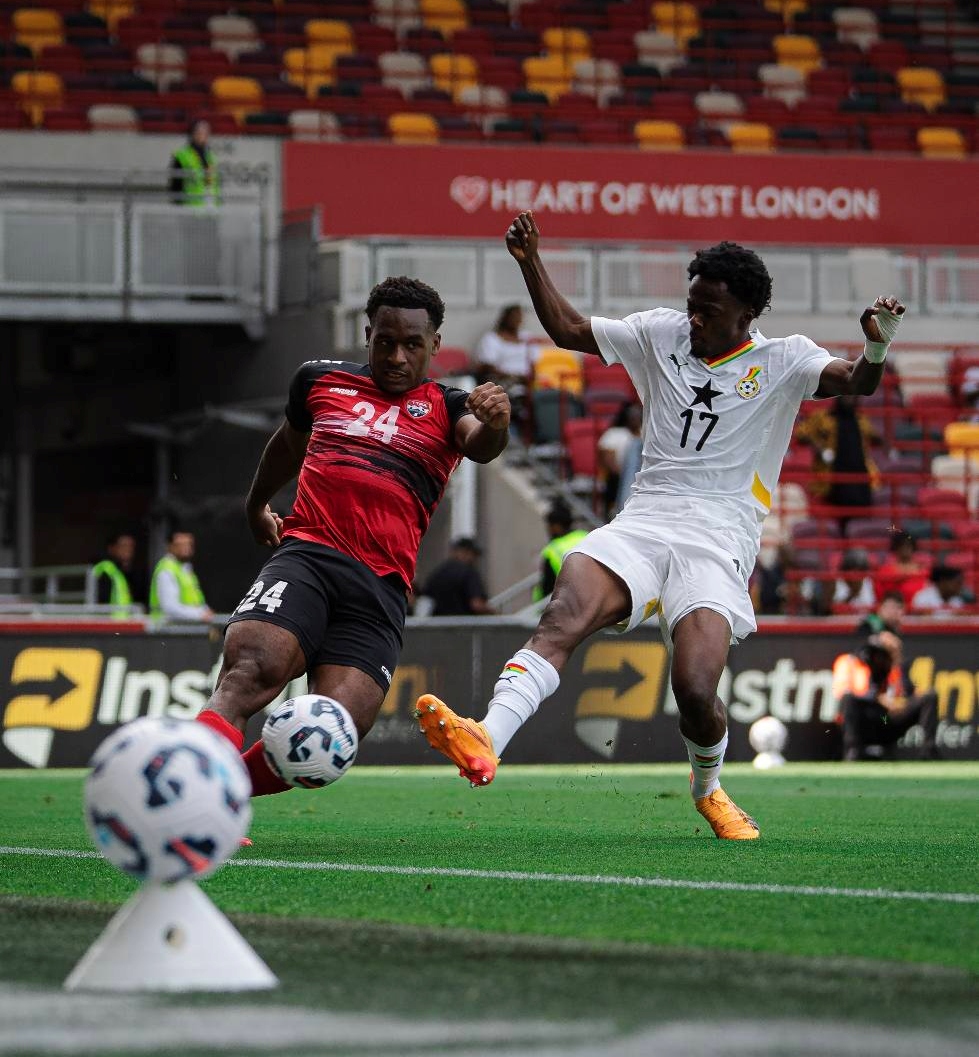
Listen, the reason why we played those games in the Unity Cup was not to gain experience or expose Trinidad and Tobago football, but to have a really good understanding of where we are.
And so when you take them away to play in different environments—because playing at home is probably the easiest thing when things are going well. But when you go out there and see players that are far superior to you, how do you compete with these guys?
So, that was a wakeup call for us, particularly when we played Ghana, where we saw that we’re miles off the pace—because we’re playing a bunch of local guys, right? So that gave us a better idea straight away of where we needed to be.
So, we recognized that we had some work to do in a very short period of time in terms of recruitment. We had to get players in, and get them to buy-in to what we’re trying to accomplish.

Photo: Nicholas Bhajan/ Wired868.
I was given three tasks when I joined the Trinidad and Tobago National Senior Team.
My understanding of the three tasks was they were: to beat Cuba and get us into the Gold Cup, which we did. And then beat Saint Kitts to qualify for the final round of the World Cup qualifying campaign. And then obviously, the ultimate was to then qualify for the World Cup.
Now, we were given less than a year to incorporate all these things with a window of six months, after you’ve gathered the team. In football that’s not a long time.
And when you think of international football, you only get to see those players for a period of 10 days in every window. So, it’s not a great deal of time. I think people think that we work with these players on a daily basis.
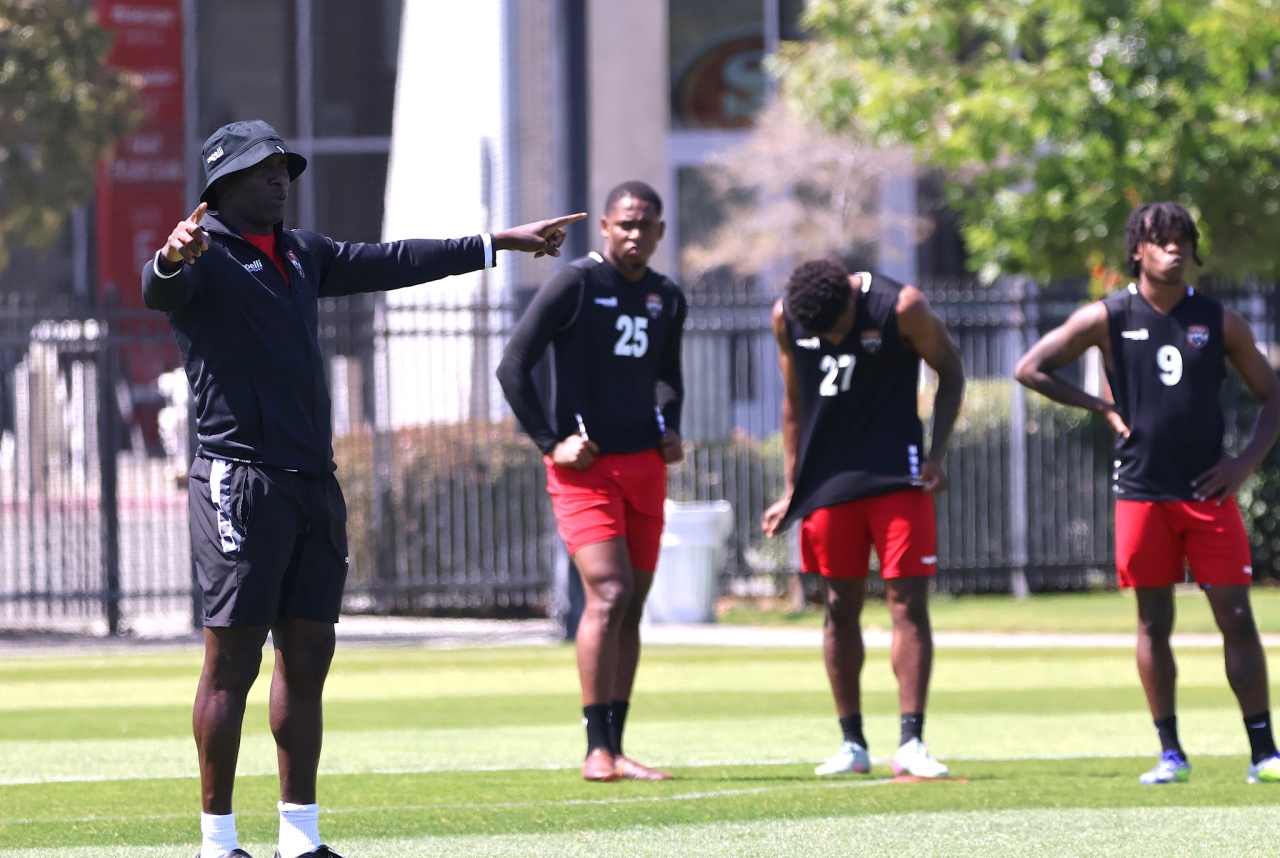
Photo: TTFA Media.
Although, again, the President failed to live up to his word in terms of getting the local players away from their clubs to ensure we could do some extra training on the side. That was an agreement we had on the table, but yet, again, the President, in my opinion, wasn’t very transparent and clear.
And that’s something that I told him from the very beginning when I joined the National Team. I told him to be transparent and to be honest and to be open with me, because I’m a person who doesn’t really mess around. If there’s an issue, tell me, I’ll be able to deal with it.
And I think over the period of just over 12 months working with the President, I get to see the other side of the President. He really undermined me. I don’t think he was totally honest […] and that caused me a bit of an issue during the campaign.

Looking on are (from left) assistant coach Russell Latapy, head coach Dwight Yorke, Minister of Sport and Youth Affairs Phillip Watts, and TTFA media manager Shaun Fuentes.
Photo: UNC.
Wired868: If we could go first for the things you told him that you needed to succeed in the job. You said you wanted to have local–based players to work with more often. How often did you want them?
Yorke: Well, we know that with the (TTPFL) league going on, it is absolutely always going to be a challenge to get players away from the clubs. But the President said that was going to be something that he could manufacture. We said, okay, if you can do that, then that’s something that we will want to pursue and make it work for us.
That would at least allow us instill a little bit more of an understanding of what international football was to the local players and get our coaching points across. Because that’s the one thing they’re lacking, right?
[…] That would have probably helped us. In the long run, we ended up not going with a lot of local players, but the intention was to get them to understand and buy into what we were trying to do.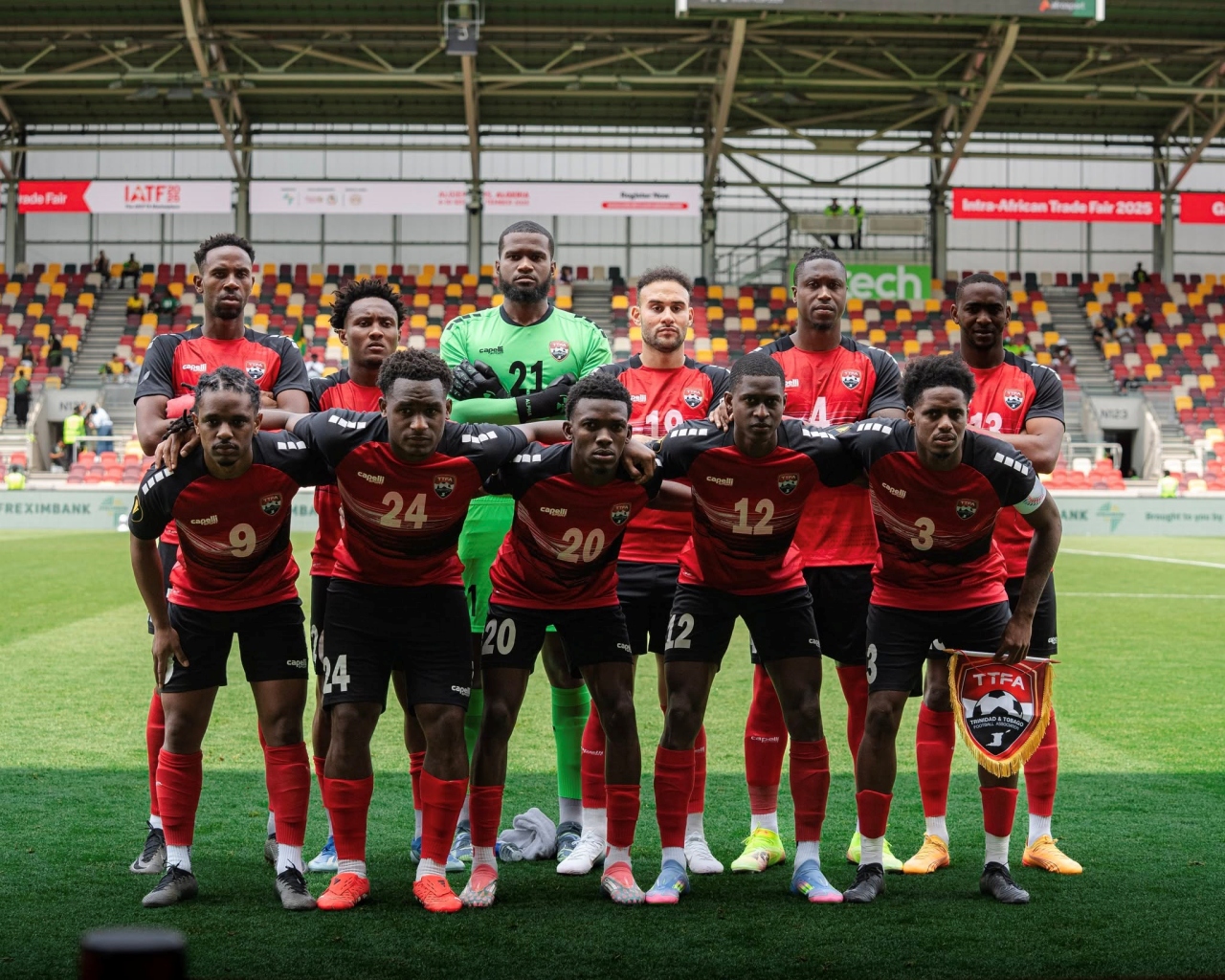
(via TTFA Media.)
Wired868: What would have been ideal for you in terms of working with the local players? Once a week? Twice a week?
Yorke: Listen, we know exactly how football works. It was always going to be a difficult task getting players away from their club outside of the international window.
And so for the president to say he can pull that off—it was always a bit more challenging than I think that he made it out to be.
The thing is when we actually get the players for any period of time, they’re actually quite good. But when they go back to their clubs, then they go back into bad habits. And when the players come back to the national team, they’re not quite as sharp as we expect them to be, even though they’re playing (with their clubs). The level is no longer there and you see the bad habits again. And it is a big step up from the local league to the international level.

Photo: Daniel Prentice/ Wired868.
Wired868: Could you point to one or two specific issues you would see a lot with the Tier 1 players?
Yorke: I think when we put on a combination of drills that require a lot of attention to details, certainly early on in the campaign, you find players not really catching on as quickly.
You’re having to explain over and again and you can’t move the session on as quickly as you would like to… You can see that they switch off. And you have to keep breaking it down for them.

(via TTFA Media.)
Wired868: And what other things would you say that the president promised but didn’t deliver?
Yorke: Well, listen, I don’t want to go into too many specifics. I said to him when I joined as the head coach, that I’d like him to be transparent and to be honest.
And I think he disappointed me in those areas and he continued to disappoint the players and the staff. Everybody knows that the delay in payments was a constant problem for us and the players. It brings a distraction to the whole setup, and it is something that I pleaded with him about time and time again.
We had him address the players on numerous occasions and he assured the players in those moments that all fees and everything would be brought up to where it has be, and then he didn’t fulfil that part of it.
I pleaded with him on many, many occasions and he continued to come up short and that, to me, was a big red flag for us during that campaign.
Photo: TTFA Media.
Wired868: What pressure did it put on you as head coach when your players were worrying about missed payments and so on? Did it affect the team in any way?
Yorke: I played the game, so I know exactly how players think. When you come in and constantly part of your conversation is about money—and some of these guys really need to be paid because of their personal situation.
And if you’re not being paid when you’re supposed to be paid, and you’re promised that you’re supposed to be paid or you’re going to get paid and it’s constantly coming up short; then it’s a problem
It’s not the environment you want when you’re trying to qualify for a World Cup… That team should have been solely concentrating on the tasks and the games ahead, rather than having conversations about finances. And you could see the disappointment and the disruptive nature of it.
But as coach, you have to manage those scenarios. This is where I felt that the President wasn’t as transparent as he ought to have been.
Photo: Nicholas Bhajan/ Wired868.
Wired868: Do you have any other examples of what you felt was the President’s lack of transparency?
Yorke: Listen, when we came into the job we certainly knew that there were going to be challenges—and I’m not sitting here and thinking how naive I am… What we tried to do is to limit those challenges as best as we could, especially going into the latter stage of the World Cup.
He knew what my thoughts were, to make sure that […] the players stayed focused and did not have to talk about missing payments. But that became an issue as we got closer and closer to the end of the campaign, and that should not have been the case.
Photo: Nicholas Bhajan/ Wired868.
Wired868: Were the players ever paid? And when were they finally paid off?
Yorke: I have no idea at this stage. I can only tell you that when I was there, there were still payments missing. I know there were some challenges there still.
I don’t know who hasn’t been paid at this stage and how much is outstanding. But I know that some of them haven’t been paid; and that’s always going to be an issue for you.
Wired868: What did you think of president Kieron Edwards saying that he rated you at 5 out of 10 for your job with the team?
Yorke: It was a bit of a slap in the face. Knowing the work we put in to take that team to where we did, what we had to go through to get the players to join, the change in the dressing room, and the culture of the football.
Photo: Nicholas Bhajan/ Wired868.
I was so proud of those guys in the little time we had to make something happen… So, to be then viewed at that number he mentioned tells me that he could not be seeing what we saw.
Anyone who saw Trinidad and Tobago play over the year we took the reins, you don’t have to be a football expert to see the improvement. You are seeing a team that can compete and not get played off the football pitch. Even a blind man could see the team had improved, which was down to players who really bought into what we wanted them to do.
When we played against America, we got a good beating. Things could have gone south then, but we didn’t lose another game after that (in the Gold Cup). And we could have gone through to the quarterfinals [with a win] against Saudi Arabia.
The football gods were not with us. We didn’t get the little breaks we needed. We lost one game in the World Cup qualifying campaign, but we didn’t win enough. So, we lost one game [each] in two major competitions. For the President to then come out with that rating; he is being dishonest and he is not being true to the public.
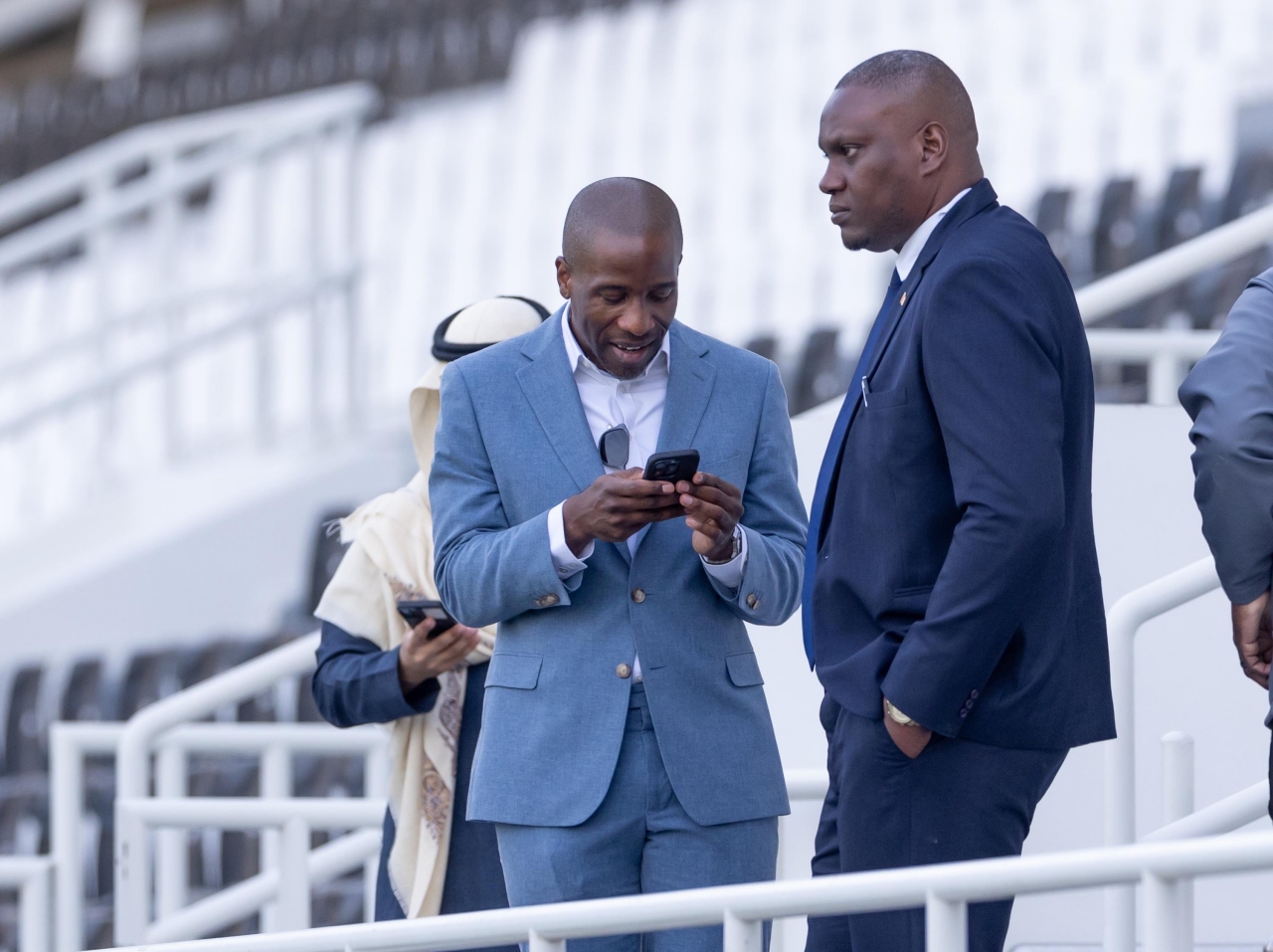
(via TTFA Media.)
He was next to us on all those journeys having conversations on the side of the pitch, saying this team is moving forward—and then to come and undermine the work we have done. He is being disingenuous. I won’t allow people to try and tarnish my work and reputation.
We failed the World Cup campaign but we didn’t fail based on where we were in the first place. You have got to look at the bigger picture.
In 2006, we had experience—we had people who played at the very top. This Trinidad and Tobago team doesn’t have that. [Kevin] Molino was the only one who had that.
So, to try and integrate that [mentality] in a short space of time was a really challenging thing and I thought they responded well. Then to have the President go on national radio and say he rated us at that number, I won’t even say the number… He is not as football intelligent as he had me believe.
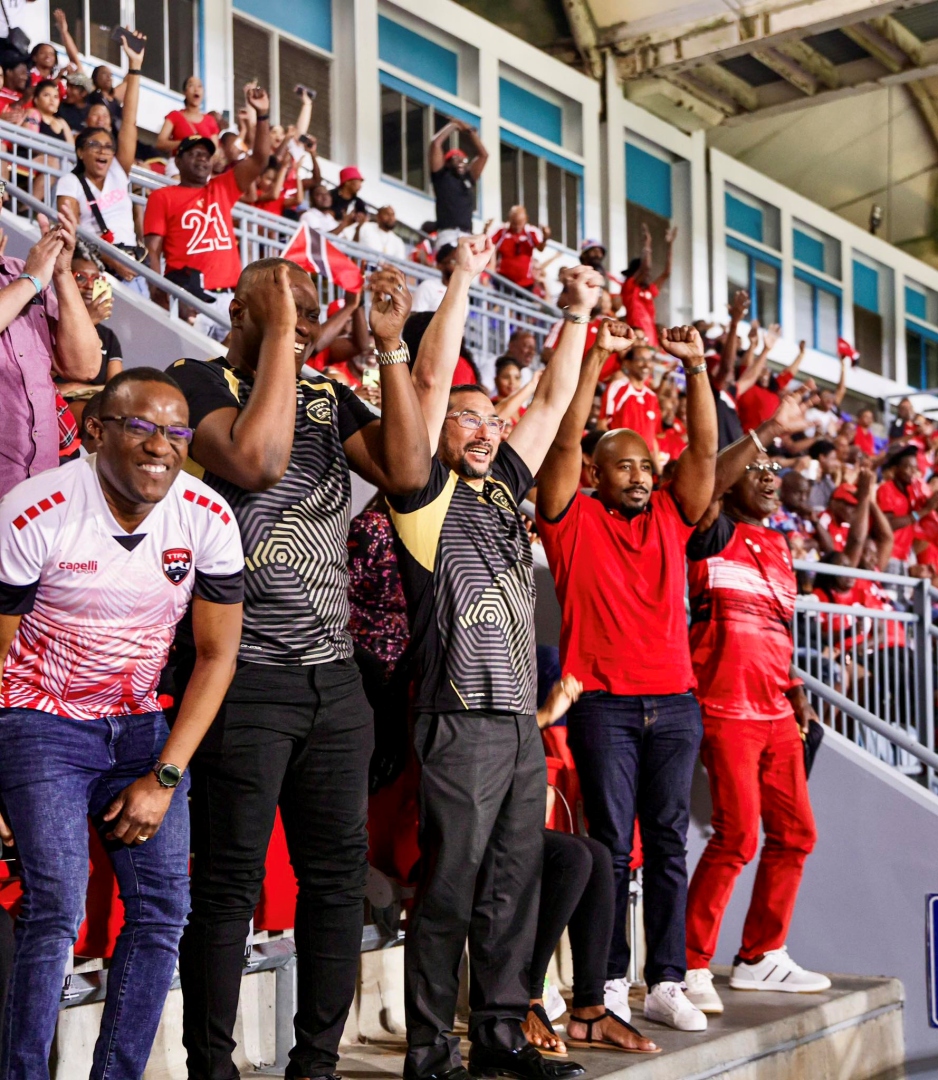
Then prime minister Stuart Young (middle) and his predecessor Dr Keith Rowley (far right) joined in the celebrations.
Photo: Nicholas Bhajan/ Wired868.
Wired868: What was your impression of the team you inherited from Angus Eve? And how did you feel you can improve the side?
Yorke: The team that we inherited—we felt the quality wasn’t there. There was a lack of understanding of international football, and they were not physically fit enough.
This is not a negative thing on Angus [Eve]. He had to work with what he had and he did a good job. But there is a big gap when you have to meet teams at another level.
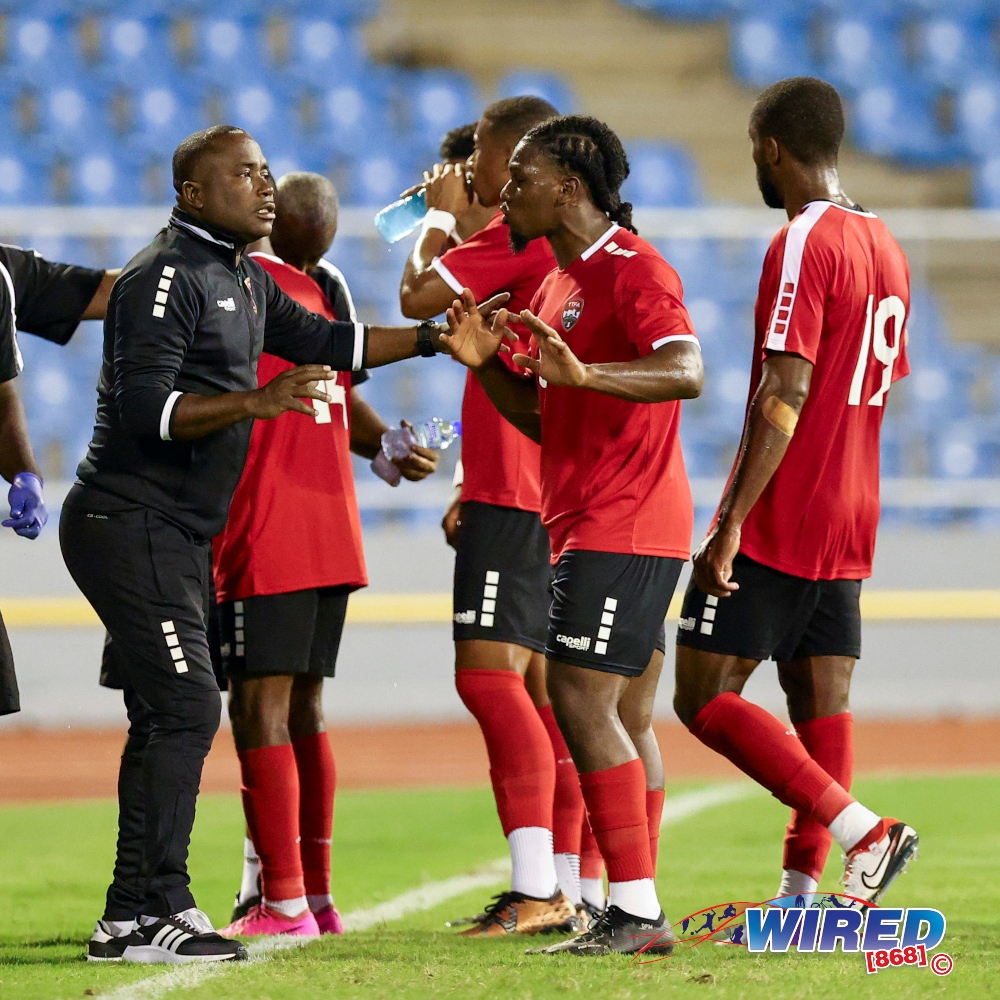
Photo: Daniel Prentice/ Wired868.
Wired868: Angus Eve noted recently that you never reached out to him as the previous head coach and he said he would have definitely taken the team to the World Cup. Do you have any response to that?
(Editor’s Note: Although Yorke did not discuss the team with Eve, he had Eve’s assistant coach, Derek King, on his own staff.)
Yorke: I don’t have any comment on that. I came in and built on what Angus had done with the national team—that was always my aim. When I saw him around, I said “hello” and I respected the fact that he did a reasonable job in the circumstances. I’d like to think he respected me as well.
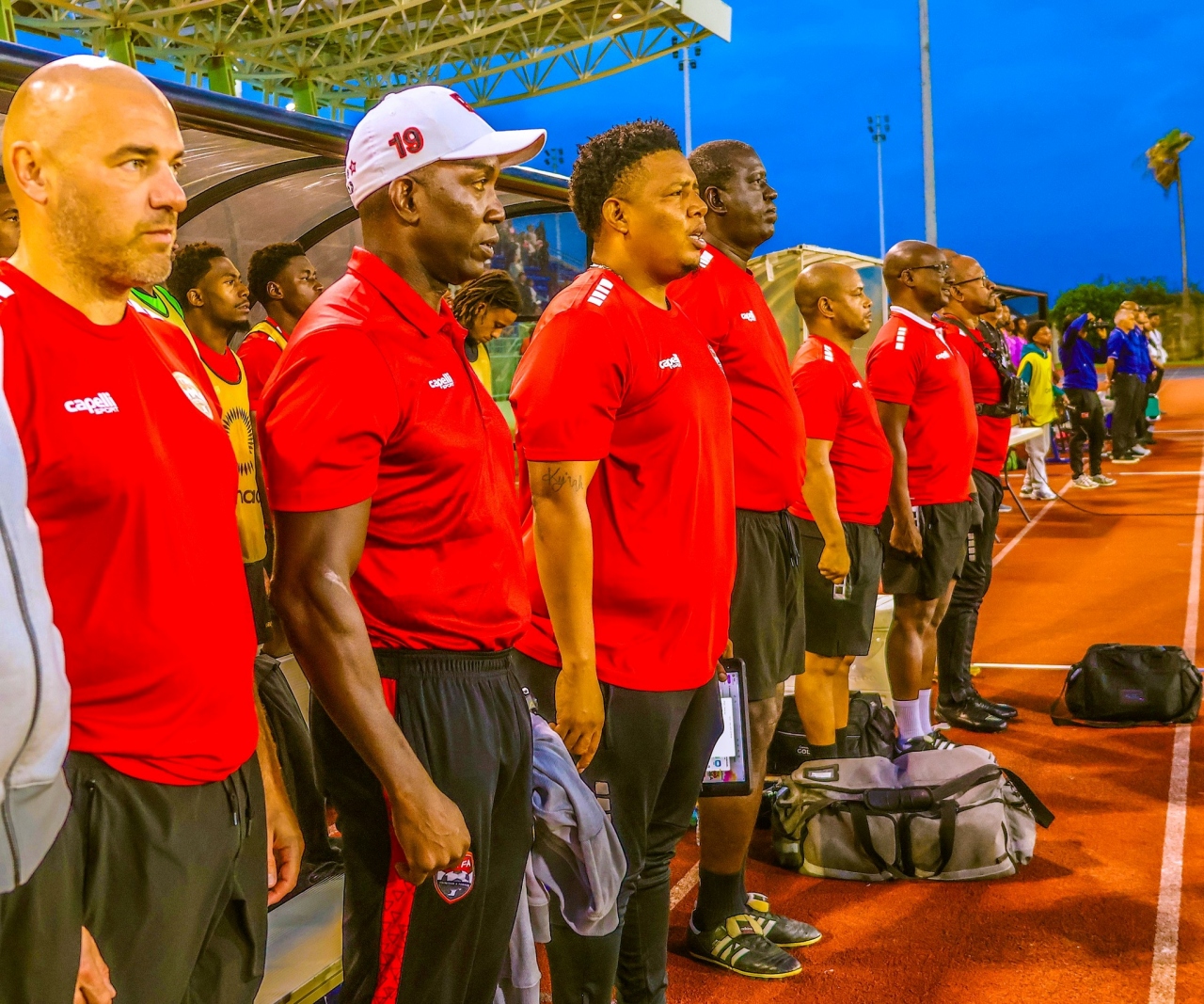
Alongside Yorke are assistant coaches Neil Wood (far left) and Derek King respectively.
Photo: TTFA Media.
Wired868: What was Derek King’s role in your staff?
Yorke: We know the President rated King very highly and we didn’t want to disrupt that. We didn’t have a specific role for ‘Kingie’. We used King more as a set piece coach but we also saw him as someone who could learn and develop from watching our staff as a unit and looking at the level of professionalism we brought.
We were aware he was there as the President’s man but we were cool with it. It doesn’t mean we didn’t trust him—but we knew why he was there.
Wired868: Your first game was a friendly away to Saudi Arabia with the majority of your overseas players in their off-season at the time, while the TTPFL had only just started. What did you learn from that trip?
Yorke: That was a difficult job. There was less than 48 hours to recover from a 24-hour flight and we had one training session. We were not at full strength either.

(via TTFA Media.)
I thought the players did well. It wasn’t about the result, it was about seeing players’ personality in having to deal with tough circumstances. We weren’t looking necessarily for a result, we were looking for characters that can really stand up in tough situations. And you will find out who can cut it from little excursions like that.
We knew the road coming ahead was going to be tough and we wanted to identify players for the campaign.
Wired868: Any players made good early impressions on you?
Yorke: I think young Frederick (Wayne Frederick II) was outstanding when he came on. I thought [Real] Gill looked a good player. Those were the two guys who stood out for me. I thought to myself: we have got two good young players there.

(via TTFA Media.)
Wired868: Aubrey David and Neveal Hackshaw were both in your squad in Saudi Arabia, but you never picked either again. Why was that?
Yorke: I think Aubrey and Hackshaw were terrific servants over the years, but we were looking at the ageing of the team. We were an old generation (in the 2006 World Cup campaign) but we had Premier League winners and FA Cup winners and Scottish cup winners.
So we needed to take the team in a different direction and we had to make tough decisions. It was a tough decision to leave Aubrey out but we didn’t close the door entirely on anyone. That is something we never do but you had to be at a certain level.
Aubrey was 34 or 35 and we felt we needed more legs at the back.

Photo: Daniel Prentice/ Wired868.
Wired868: Well, you had 37-year-old Jamal Jack in the squad for a while. Any reason you kept him but not Aubrey David?
Yorke: I was actually stunned to find out that Jamal was 37 because of his physical presence and attitude in training. We liked his physical presence but, in the end, his quality on the ball wasn’t good enough.
He was someone who would run through a brick wall for you, and you need guys like that. But then he had visa problems and we had guys like Josiah Trimmingham who came in and did well enough. Jamal was a little unlucky, he was just on the wrong side of the age group.
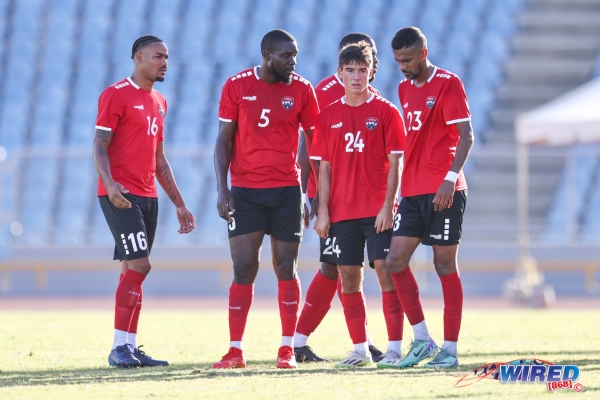
Photo: Daniel Prentice/ Wired868.
Wired868: Can you talk about the challenges in recruiting the new additions to the team? And were they any players you missed out on?
Yorke: Well, I had no expense account to go and meet the players and watch them at their clubs; so these were conversations I had over the phone. I’d say Kobi [Henry] was more challenging.
Once I spoke to Dante [Sealy], he was happy to come… But Kobi still fancied his chances of playing for America again. I said don’t let this opportunity come and go, and one day you’re sitting and wondering what it could be like to come and play for us.
If not for my star power, I don’t think it would have happened. I was very moved that these players wanted to come and play for me. I was the only one who could convince them. Kobi was a big scalp for me.
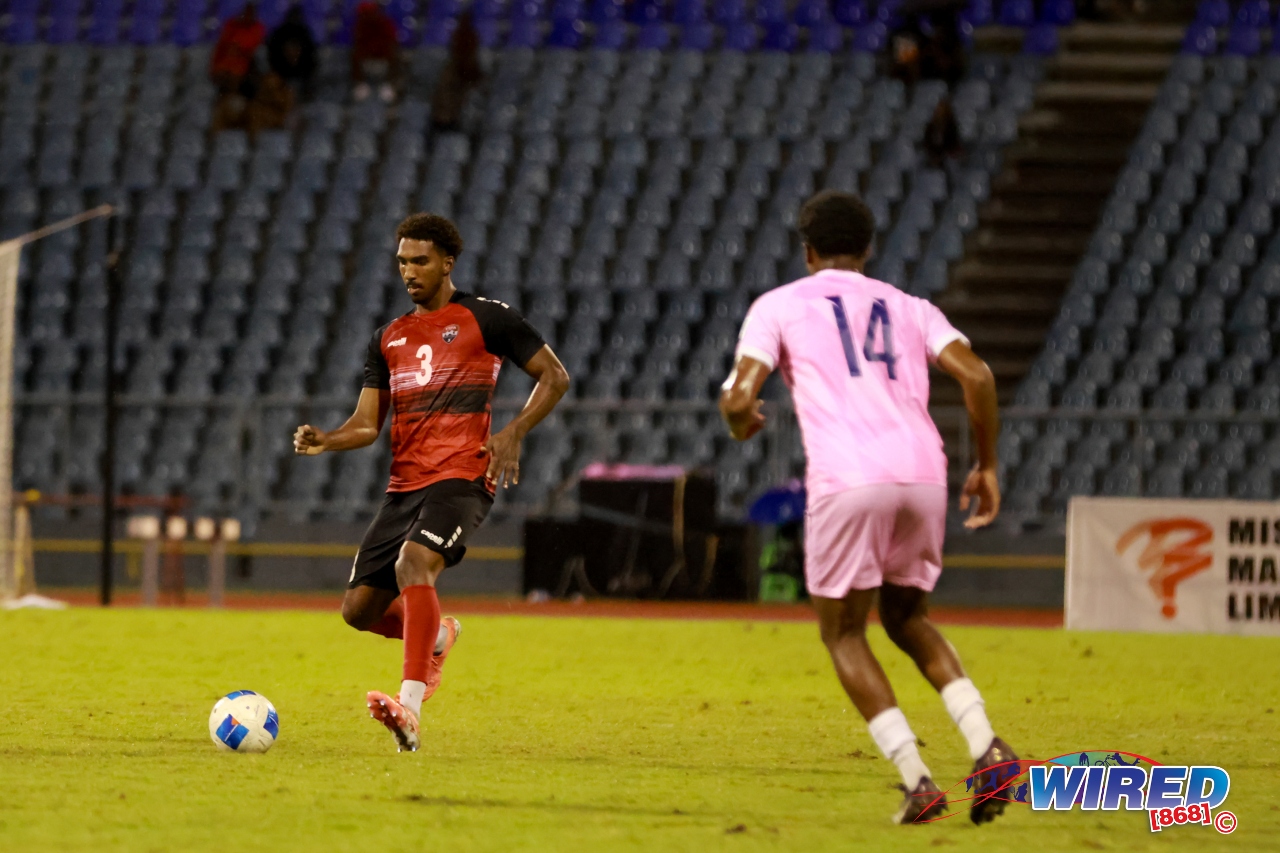
Photo: Nicholas Bhajan/ Wired868.
We looked an outstanding team in that campaign: physically fit, we could play, we played with compactness, a certain style, creativity—everything you would want. We just didn’t score at crucial times in the game.
It was not perfect but we did a comprehensive review (of our games) and we were not outplayed or outfoxed in any game, and we were playing against teams that were ranked above us. People have to be mindful of that.
People say we missed out on a great opportunity, but Jamaica and Curaçao were ranked above us for a reason. We were at 104 (on the Fifa rankings) when we got the job.
However, the TTFA was unable to get him a Trinidad and Tobago passport.
Wired868: How did you feel about the response from the public in your first game at the Hasely Crawford Stadium, which was virtually a sell-out crowd against Saint Kitts and Nevis?
Yorke: Well, this is what really is so, I won’t say hurtful, but disappointing. To see the passion coming back in the football and that transformation with people coming out to support the team like they did—I don’t know, you guys have been around local football more than I have in recent years. But the impression I got in talking to the backroom staff and people here is that they haven’t had that kind of support in the football for a very long time.
And this is what really disappointed me about the President, who saw all of that happening before his eyes. For him to see the enthusiasm of the fans compared to what was there before.
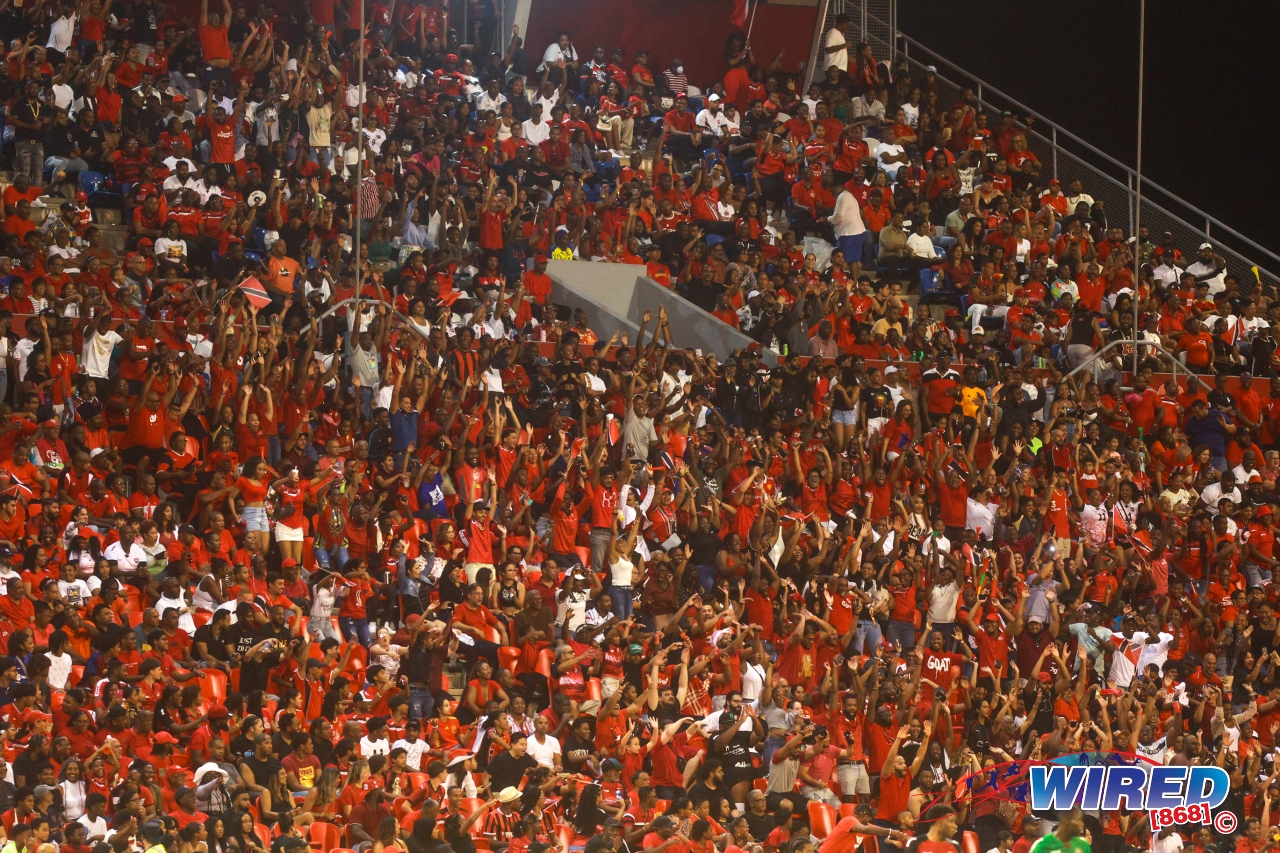
Photo: Nicholas Bhajan/ Wired868.
I want to share this story. I was coming out of a store and this elderly woman looked at me and she said ‘Dwight’? And I said, ‘yeah’, but I mean I was stunned that this woman even recognised me—because she looked like 80-plus. And she says that she’s supporting us the team and she likes what she sees, and that I’ve got her husband up late at night shouting at the tv.
And she’s there trying to talk to me about football… And I’m thinking: my god, this is incredible.
That was one of the highlights for me in my time on the job. The last thing I would expect is that a woman of her age would be so interested in the football team and have so much passion, and care so much about what we were doing. And for me that’s the biggest disappointment—not getting the chance to continue our work.
You can see what we were doing from the stadium to the dressing room. We were changing the mentality and the mindset of the team. We were building that new culture around the team where we were no longer a soft touch. It was a whole process…
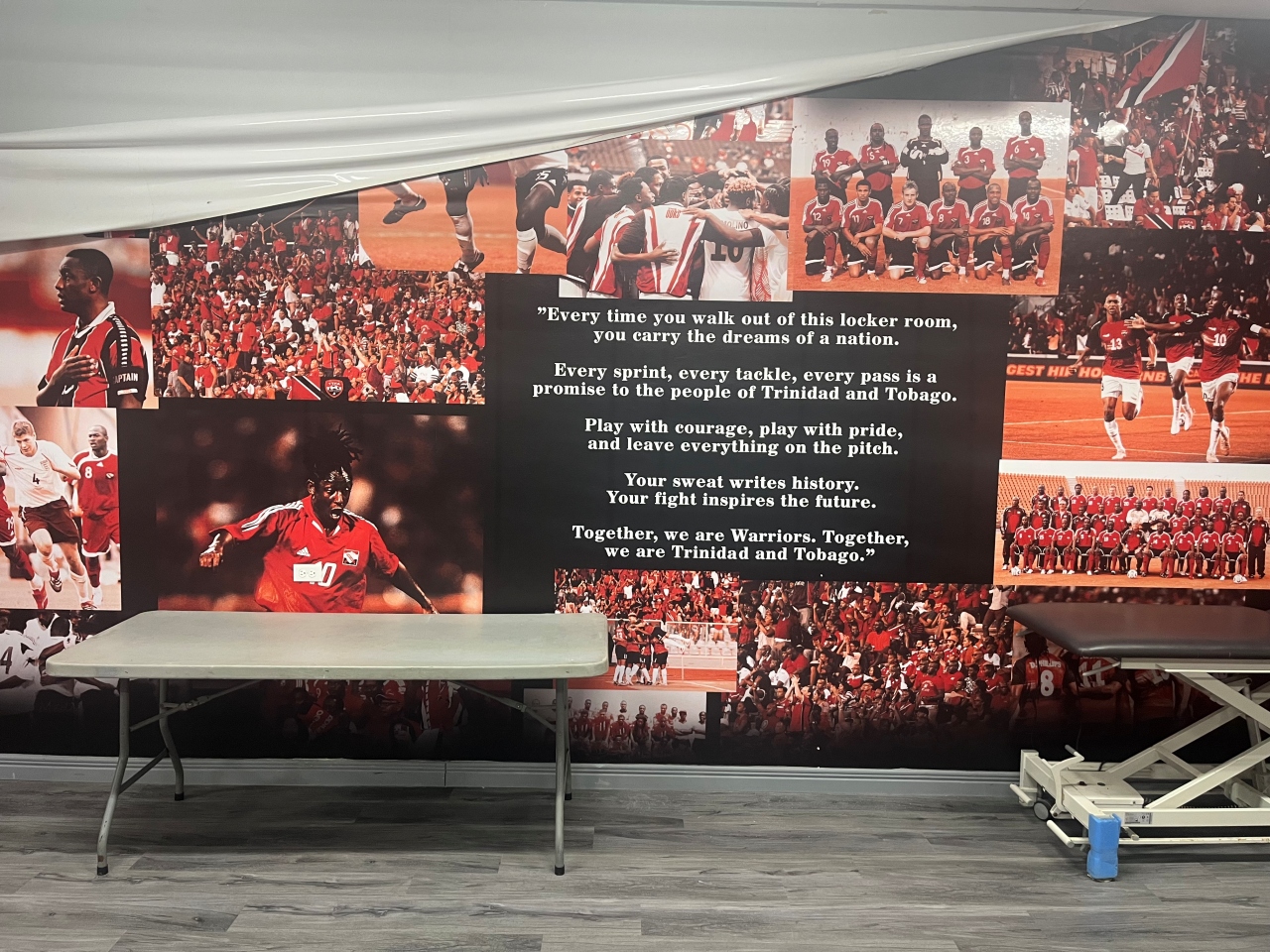
Photo: Wired868.
Wired868: You spoke about changing things in the dressing room. What do you mean?
Yorke: The National Stadium has been almost exactly the same since when I was playing junior football on the Under-14 National Team. The dressing rooms were the same. They may have given it a bit of paint and put in a couple of new covers, but the infrastructure is exactly the same
We used to have about 15 people in a team: 11 starters and about 4 subs. Now there’s 23 players, with three standbys plus a backroom staff of about 10—so you’ve got close to 40 people trying to fit into that same dressing room. Some players can’t even get a seat!
We changed that entirely! I had them put pictures up of the players coming into the stadium, we put their names on their shirts so people could identify the new heroes like [Tyrese] Spicer and Dante (Sealy)… We got them to put more seats in the dressing rooms…
Have you seen the dressing room recently?
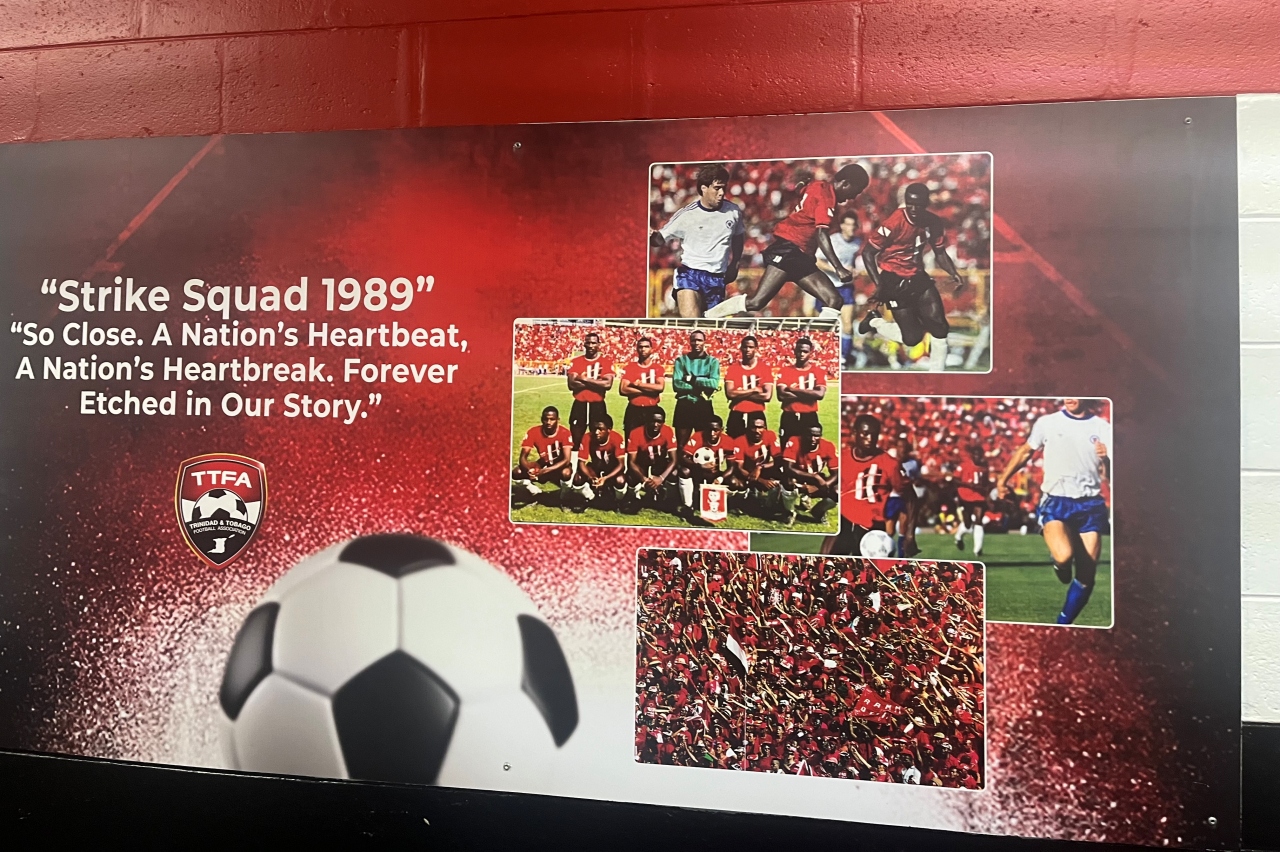
Photo: Wired868.
Wired868: No, I haven’t.
Yorke: Do me a favour and please go to see the dressing room. Before you write this article, go down and see what I have created down there! It’s a game changer.
We have put the history of Trinidad and Tobago on the walls from the 1966 team, to the 1974 squad, to the Strike Squad, to the 2006 team. You go in there now and everybody’s got a seat. We’ve got a big dressing room and we have plans to increase it even further and add ice baths and a physio room and so on. You won’t believe the suggestions that I’ve given for the National Team!
I won’t take all the credit for it. The government assisted in making it happen and I just played my part. But it shows what we can build together. There was so much about football that was going well.
- Inside the Hasely Crawford Stadium dressing room.
Dwight Yorke had inside and outside the dressing rooms renovated during his spell as Trinidad and Tobago Men’s National Senior Team head coach.
But then he gives me that score…
During the campaign, I thought he was alright at first. But then slowly you started to see a different side of him as things started to get away from.
(Editor’s Note: The upgrade of the Hasely Crawford Stadium’s dressing rooms was facilitated by the Sports Company of Trinidad and Tobago.)
Wired868: Things started to get away from the President in what way?
Yorke: He wasn’t being transparent. The biggest issue was the financials. There were just constant salary issues and that started to cause a bit of unrest. Again, I keep warning him about sorting it so that we were not having that conversation around us when the team was together.
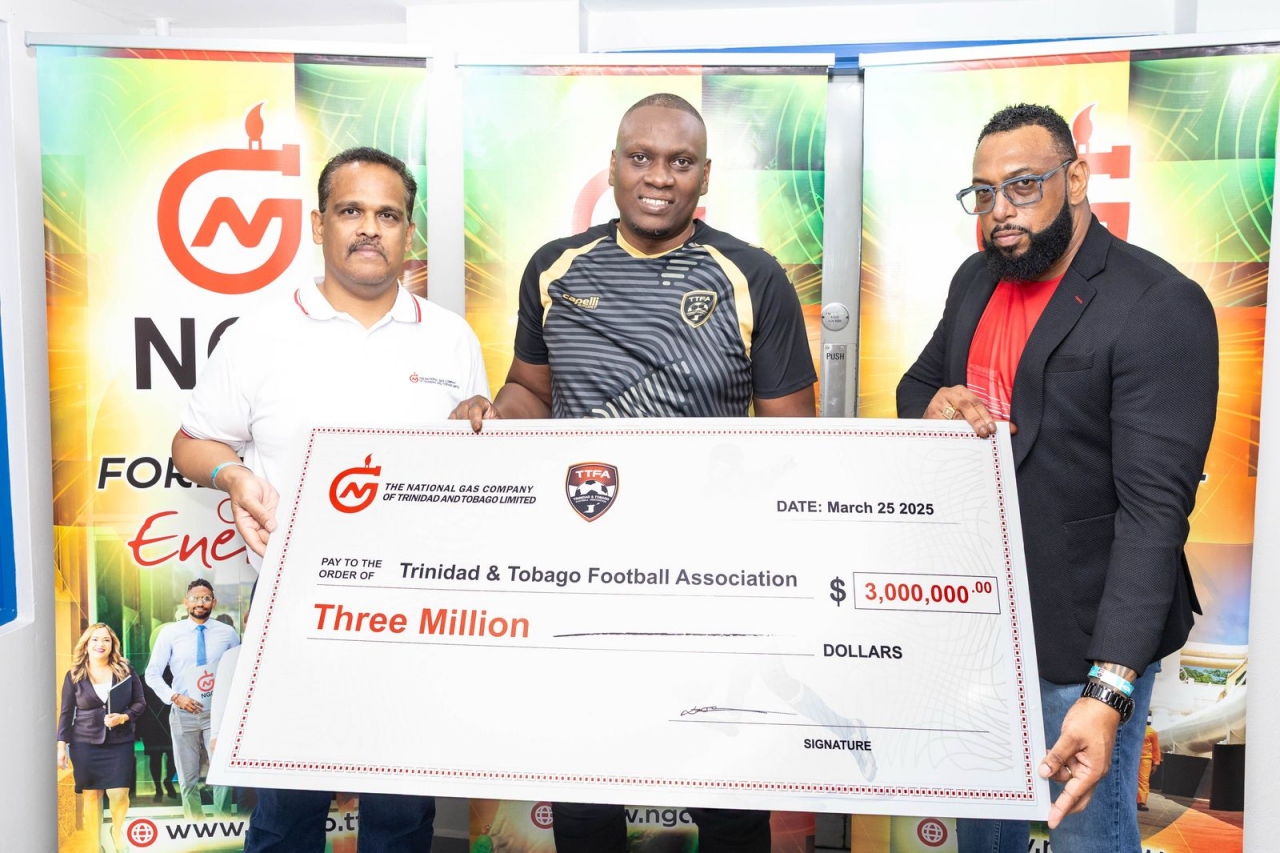
Photo: TTFA Media.
Wired868: Your return involved a contract made with the then prime minister Dr Keith Rowley. Can you tell us anything about those early talks with Dr Rowley and Kieron Edwards?
Yorke: I knew the federation wasn’t in a strong financial position, so I knew that was going to be a challenge in terms of bringing in coaches to have a good level of professionalism within the staff. Guys who knew my philosophy and how to get it in quickly.
The Prime Minister looked at it and thought this was going to be a really good opportunity for us and they were prepared to back us. They didn’t trust the federation because of past history and that was always going to be a stumbling block, but they managed to get it over the line for not just me but also my backroom staff.
But then the issue of salaries still ended up being an issue later in the campaign.
My last salary was in September. I don’t think I need to elaborate on that. But the President saying that isn’t true is him being dishonest again.
The game finished 1-1, which eliminated the Soca Warriors from contention for a 2026 World Cup spot.
Photo: Nicholas Bhajan/ Wired868.
In the end, they terminated my backroom staff without informing me… The General Secretary (Kareem Paul) sent them an email informing them of their termination. So, I expected the President to contact me and say I would be terminated as well. But that didn’t happen.
The President called four meetings with me and cancelled four times. Most times, he didn’t even have the courtesy to say they were cancelled. I just could not get on to him when it was time for the meeting. He just doesn’t take your calls. It could be a couple of days before you even get a text back.
Imagine for days and weeks, you are trying to get in touch with your boss and you can’t get hold of him—you’re just left in limbo. I told him many times that you need to be better than that. If I am calling you, there is a reason that I am calling. But days would pass and you won’t hear from him.
It was absolute madness.
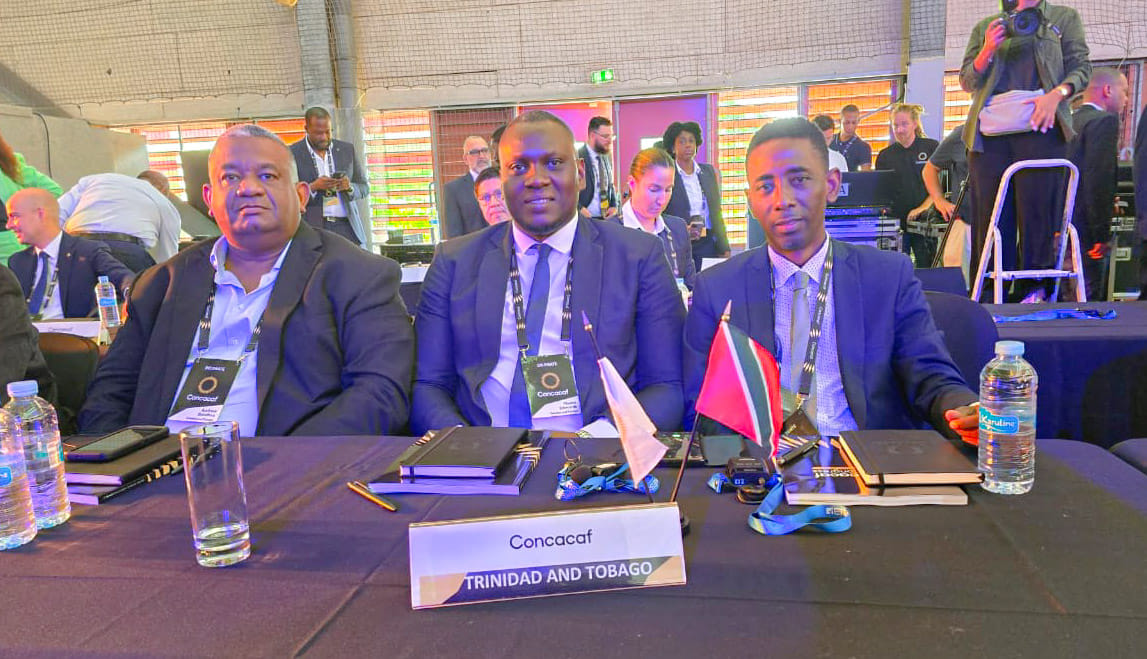
(via TTFA Media.)
Wired868: If we could go back to your squad. You said at one point that Lindell Sween and Derrel Garcia remind you of yourself at that—but neither played in a single competitive game. Did you really see yourself in them?
Yorke: They’re genuinely gifted young players. There’s no question about that. And there’re also boys like Nathaniel James and ‘Boy Boy’ (Tyrese Bailey) and Kaihim [Thomas]. We wanted to encourage ‘Sweeny’ and ‘Zum Zum’, because we believe they have a future in football. We wanted them to be around so they could get a feel for what the National Team is about, even though we knew we weren’t going to use them.
It wasn’t just as a courtesy. It was to get them to understand what it takes and to see how the senior boys are working. So they know what they need to do to get to that level.
Even though they got left out of the final squads, they must be thinking: next time that World Cup [cycle] comes around, we should be at the forefront of the team.
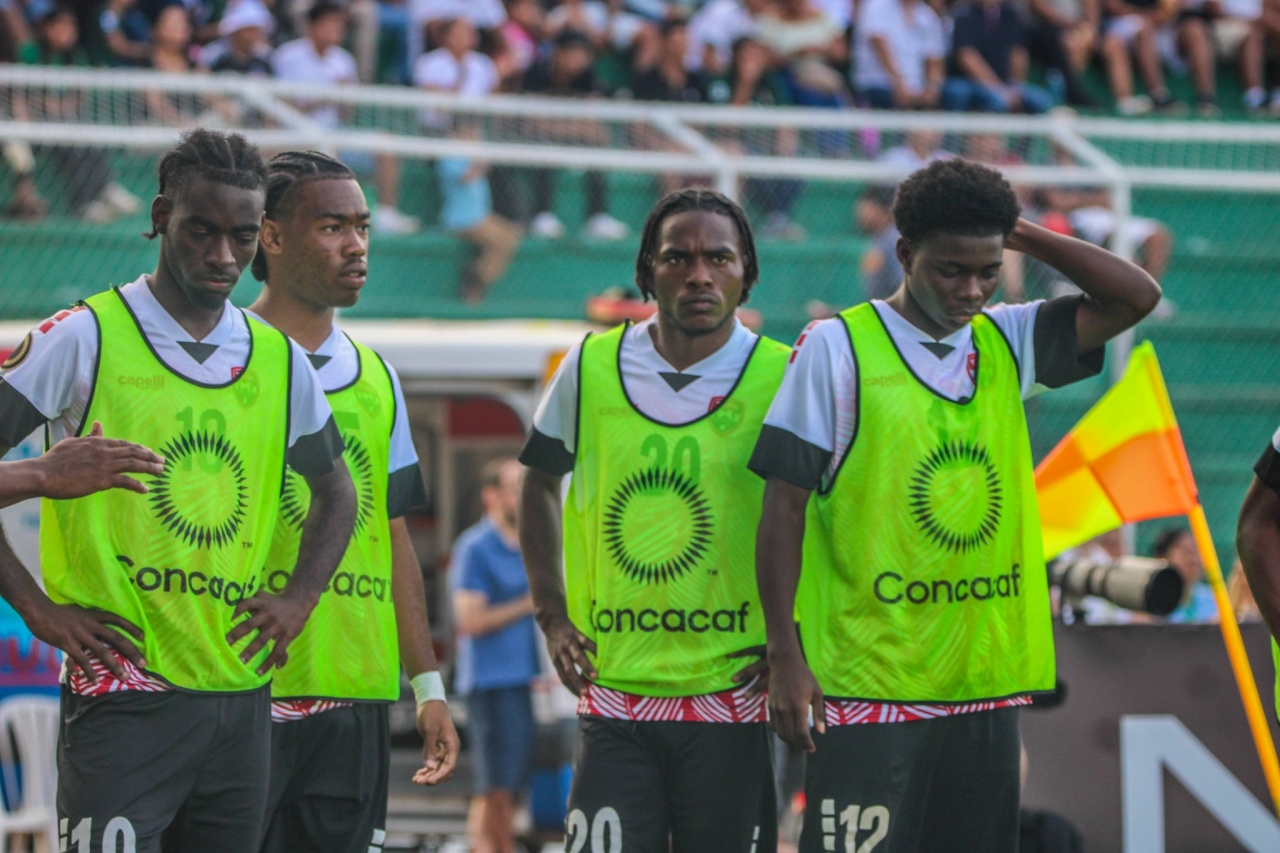
(via TTFA Media.)
I think they need to leave Trinidad to get that exposure and get better coaching and a better understanding of the game, which is all part of the learning curve.
Qualifying for the World Cup doesn’t happen in two years. It takes a lot longer than that. So if you’re not working on your team years in advance, then you’re setting yourself up to fail.
We have got a lot of work to do and I felt we were making strides in the right direction. And that’s why it is so disappointing to be cut short like that. But as I said, it’s out of our hands.
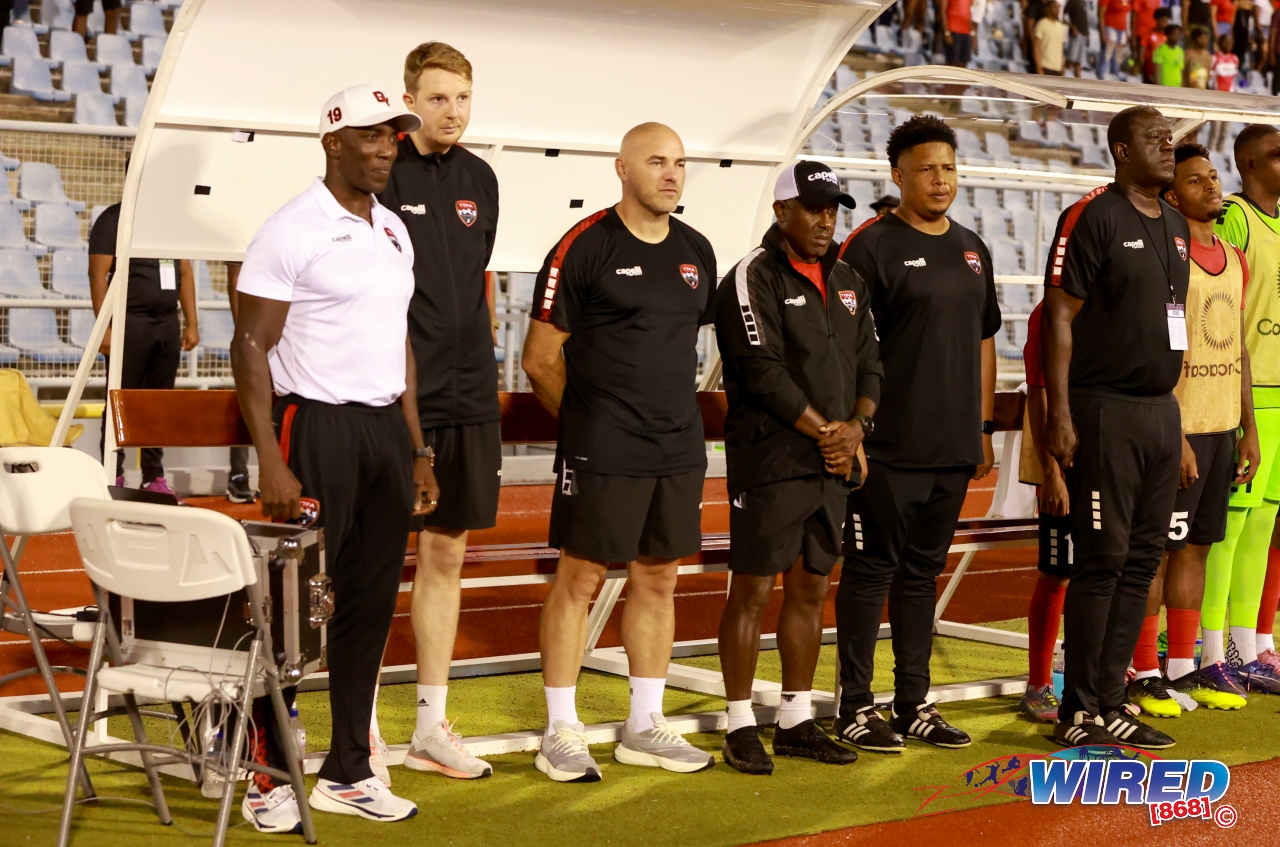
Photo: Nicholas Bhajan/ Wired868.
Wired868: Another player who didn’t end the journey with you is Dantaye Gilbert, who was not selected after the Unity Cup. Any reason he wasn’t used in the final qualifying round?
Yorke: Listen, we make football decisions. We identify a kid who has got all the attributes. We saw him, we liked him. But maybe we feel like he’s ahead of himself, a little too big for his station.
He’s got all the right ingredients. He’s big, he’s strong, he’s got good feet. But he needs to work harder and to understand the game better—not just rely on pure talent. And when we talked to him about certain things, it seemed as if he felt that he had a right to play in the team. Based on what grounds? Because somebody else told him that he’s good enough?
Several guys got a chance to show what they can do in the Unity Cup and came up short. Sometimes you have boys who can play and they have all the attributes, but they don’t have the IQ to play at the highest level.
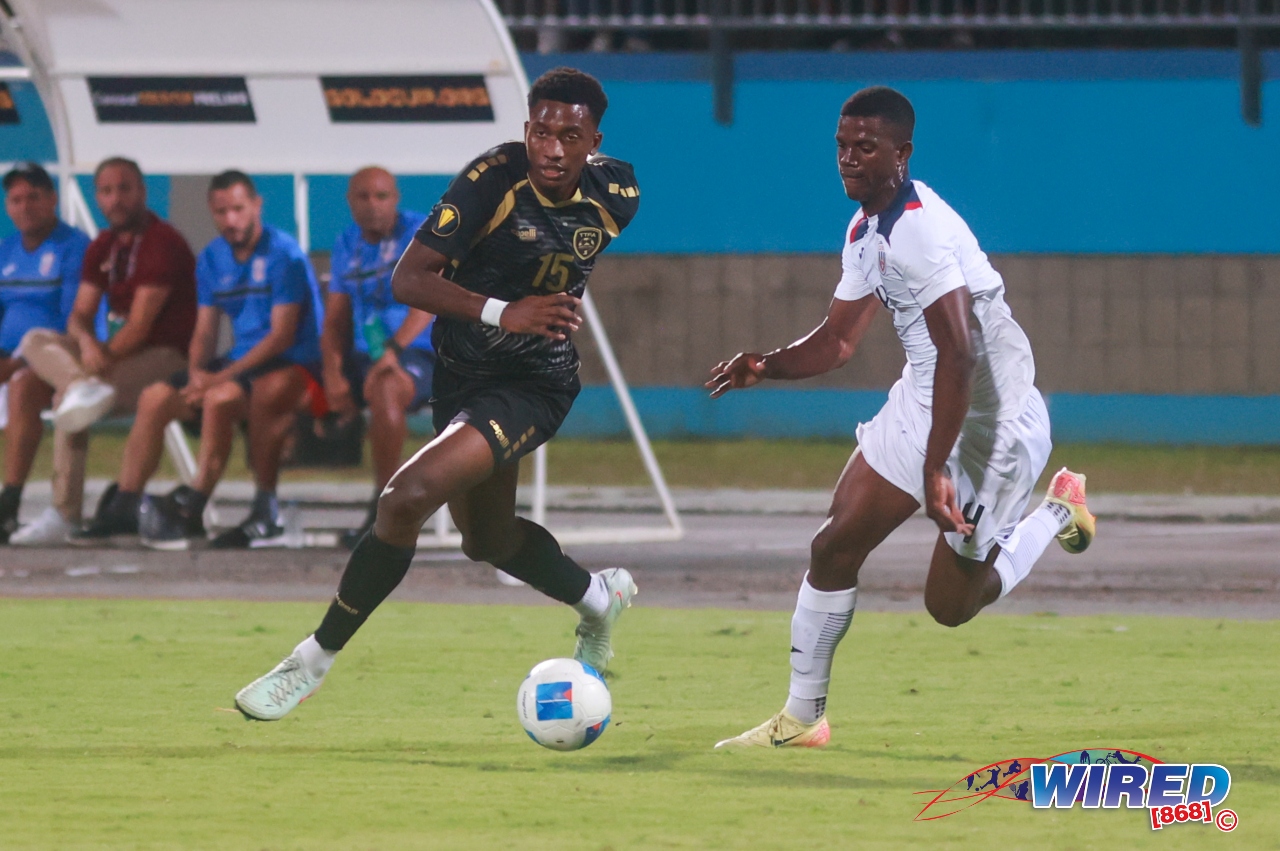
Photo: Nicholas Bhajan/ Wired868.
We have played at the highest levels and we can tell straight away if a boy has the cutting edge. Football is a man’s game and you’ve gotta buckle down and work extremely hard. Even if you’re having a tough time in a game and things aren’t going right, you have got to contribute to the team in different ways.
Football is easy when things are going great. But when things are not going great and you have to put in the ugly work, there are some guys who don’t like that side of it. You can tell when you need to go in the trenches, who’s going to come in there with you.
Some guys just like the pretty, flashy stuff. But this is part of the learning curve. We are there to help them understand that.
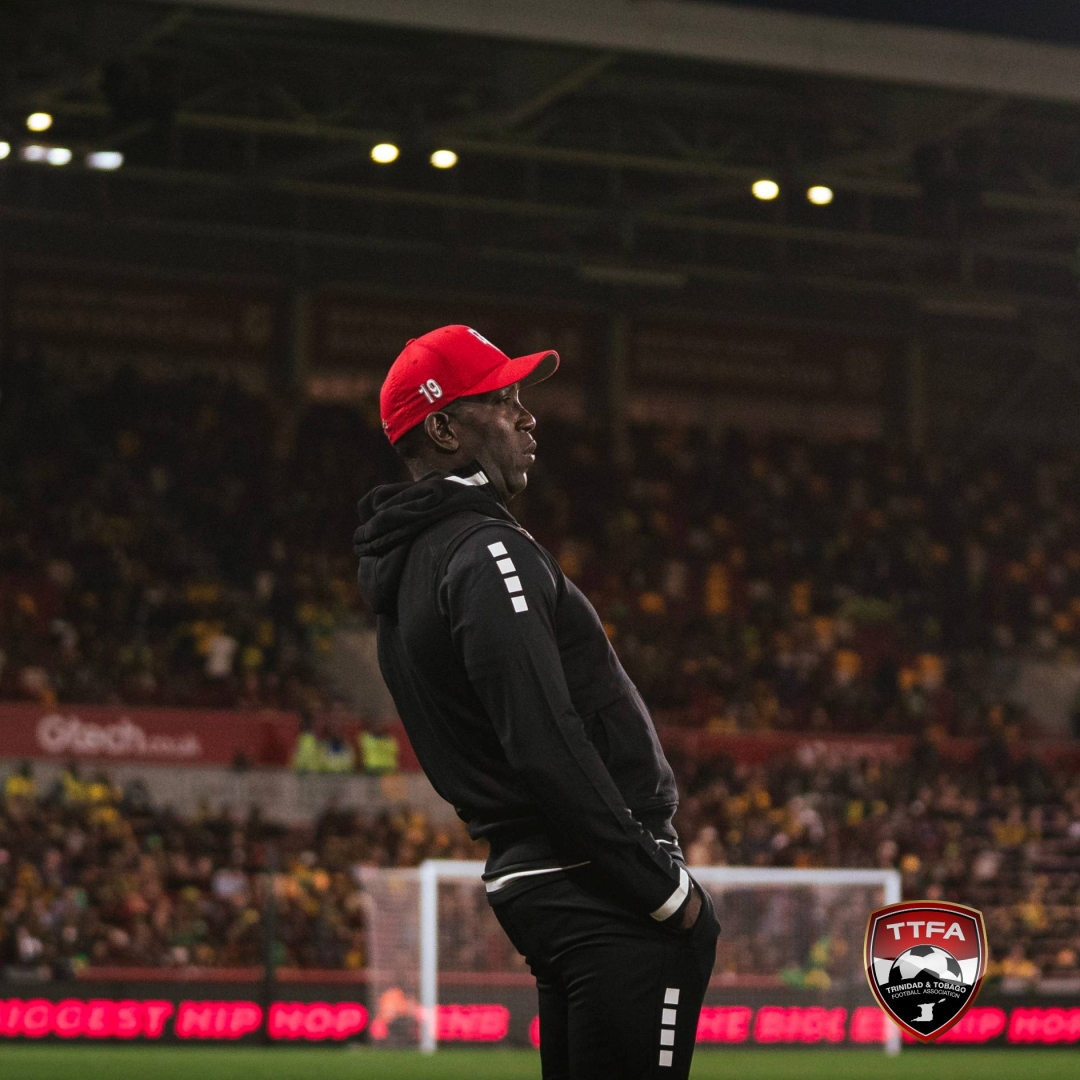
(via TTFA Media.)
Wired868: And what about Joevin Jones also being excluded in the latter stages?
Yorke: Joevin was a great player. He has 100 caps, that is incredible. But again, I’m there to make these decisions. We watched him. You talk to these guys and say ‘get yourself fit’. I’m asking you for three months’ sacrifice [to] get yourself superfit. That’s all we asked for.
Three months work to play in six games. Cut out all the hanging around, cut out all the sloppy eating. We reached out to these guys, my physical guy reached out to them and gave them programmes to get superfit.
These guys want the luxury lifestyle but they don’t want to work for it. So I had to make a tough decision.
As good and talented as Joevin is, if you’re not fit, you can’t do the work—not at this level. You might still have your moments, your five minutes here and there. But football is not played in five minutes.
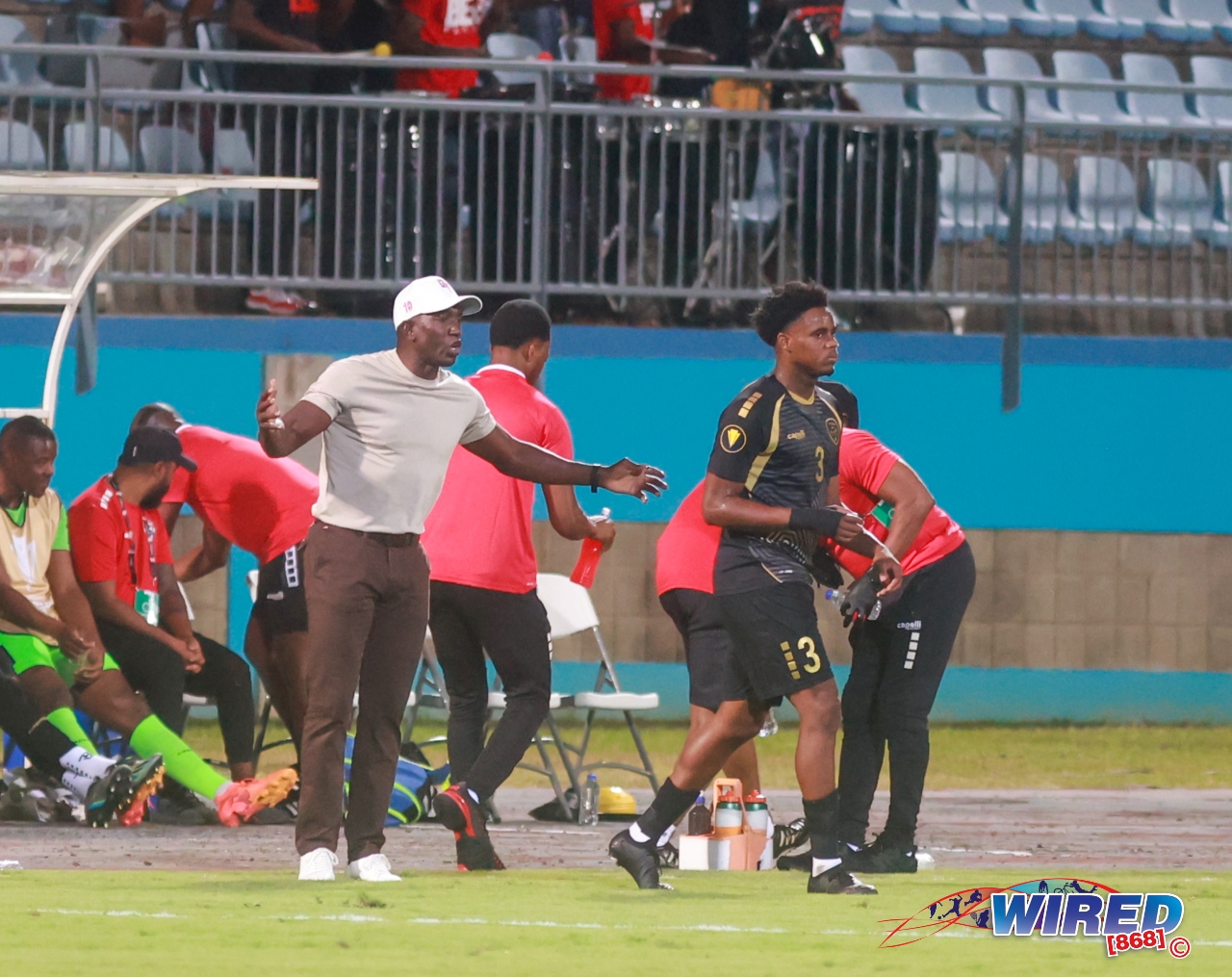
Photo: Nicholas Bhajan/ Wired868.
Wired868: And is there any player who you particularly enjoyed working with?
Yorke: Jerrin Jackie! He is somebody I’d really taken to. You could see the look in his eyes. It was a look that tells you a million things. It said: this is what he wants and he will do anything to achieve it. He was awesome for us.
There were also people we missed in the latter stages. We lost Ajani [Fortune] who got injured. I really rate him. Rio Cardines is another who we missed for the Jamaica game.
We wish we had everybody for that Jamaica game and the last game against Bermuda. But I think when you looked at the Trinidad and Tobago set up, even when you watched them in the warm up, they looked like a proper national team. They had a look in their eye.
For a coach, that’s the kind of thing you look for. You just get excited by it.
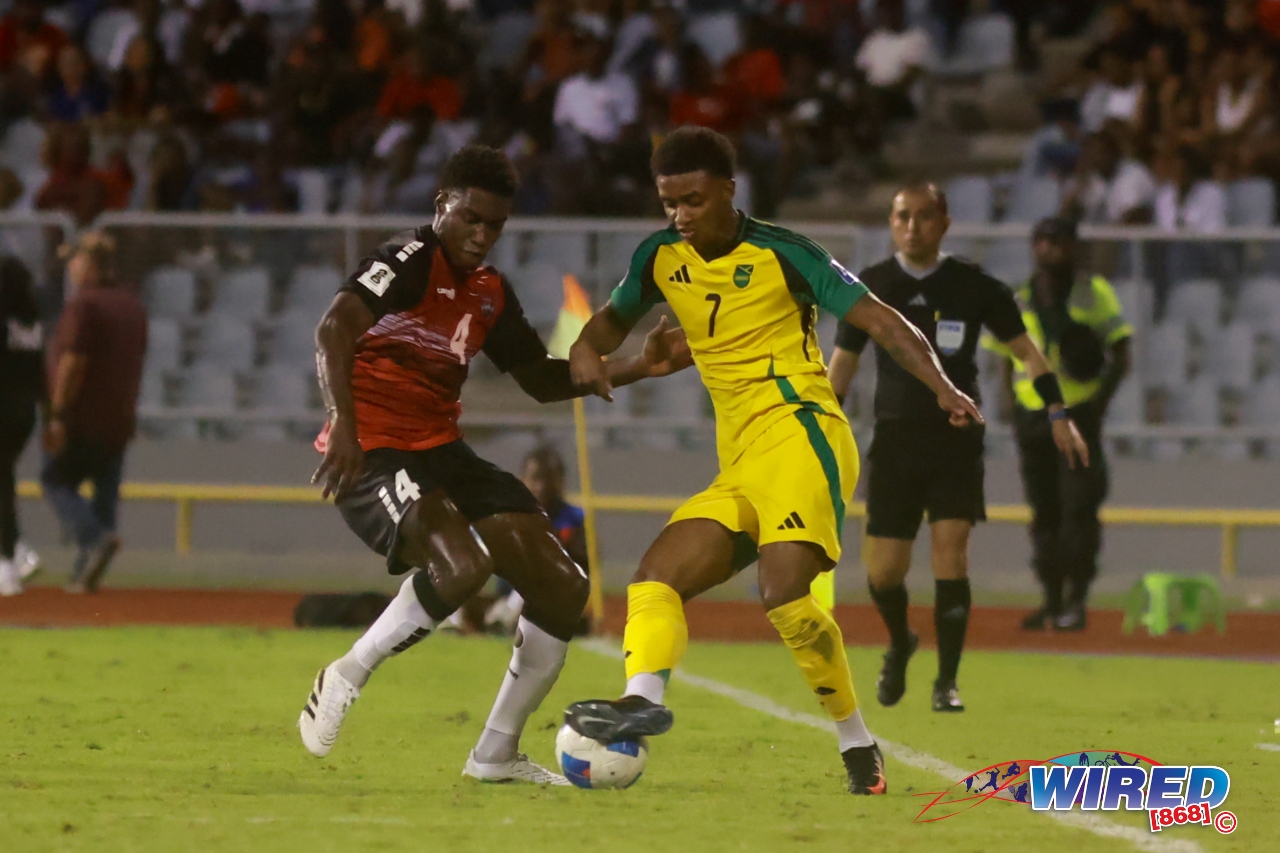
Photo: Nicholas Bhajan/ Wired868.
Wired868: What would you say was your favourite game as national coach?
Yorke: Ahmmm… The defeat against Jamaica was a tough one but our performance was really good. Curaçao away was really amazing. Saudi Arabia in the Gold Cup was an incredible game for us too. There were some good moments.
Being undefeated at home is a really good record to have and something that I’m really proud of… Teams shouldn’t be coming to the Trinidad National Stadium and getting an easy pass. Cuba away—we hadn’t defeated Cuba in 17 years or something like that. Those are remarkable numbers to turn around.
We played well in the first half against Jamaica. Then there was the bus delay before the Curaçao game when we got to the stadium just over 20 minutes before kickoff. That was crazy stuff. But we went out and performed really well again.
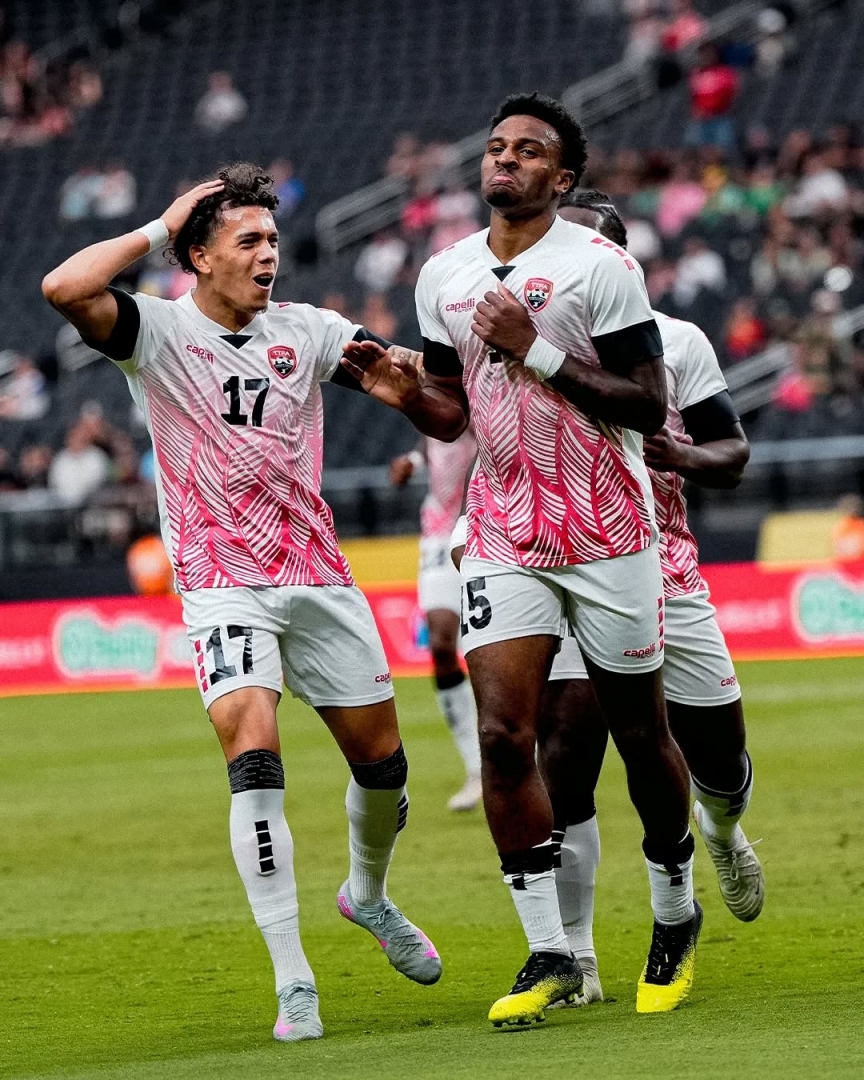
(via TTFA Media.)
Wired868: Your front three picked itself, based on ability: Levi Garcia, Dante Sealy and Tyrese Spicer—but we didn’t get a lot of goals. Anything looking back you felt you could have done differently? Or that those boys could have done differently?
Yorke: I look at myself, first and foremost, and you learn as you progress on the job. I thought Curaçao at home, in the latter stages, I could have brought on Nathaniel James. But also I had my two men by my side, Russell [Latapy] and ‘Woody’ (Neil Wood)—their advice is important to me as well, although the final decision is with me.
When you look at ‘Natty’, he has a record against Curaçao. (Editor’s Note: James scored his first international goal against Curaçao in a Concacaf Nations League fixture at the Hasely Crawford Stadium on 7 September 2023.) I thought maybe I could have put Natty on. But then I didn’t want to lose the game by going too attack-minded.

James again provided a spark off the bench against Jamaica tonight, but most of coach Dwight Yorke’s changes made little impact.
Photo: Daniel Prentice/ Wired868.
I was advised not to risk losing the game. But looking back, in hindsight, I could have gone with Natty. I think that is one of the moments that I might want back. Overall, I was not too far off (with my decisions).
People [suggested to] me about playing Levi on the right side and bringing somebody else on to play in the centre, but I thought Levi was outstanding in the games—holding the ball up, making the plays, fighting.
There was just one thing missing from Levi’s game, which was a goal. And I back him to this day to score.
I think if Levi got us one goal in that campaign, we would have qualified. That’s my opinion. That’s how highly I rate Levi in terms of what he brought to the team. And he was bullish about taking the captaincy, and I like that. I think he actually tried too hard. I tried to tell him not to try so hard, but he desperately wanted to do well.
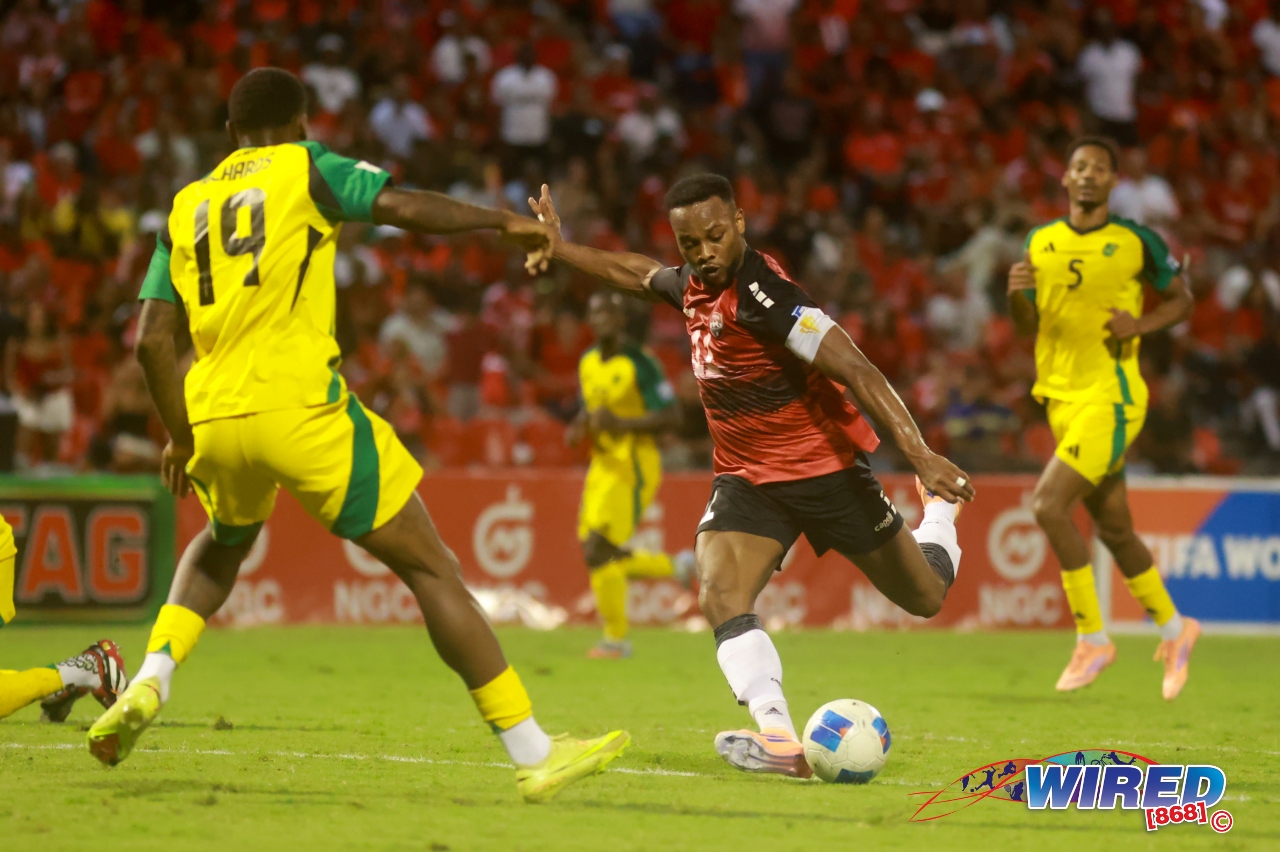
Photo: Nicholas Bhajan/ Wired868.
Molino was fantastic. He was still one of our best if not our best player—but there was always a little issue around Kevin. There was always a little something happening, like the problem in getting him to America because of the visa issue.
If you remember, he missed the game in Bermuda; and he shouldn’t be missing any games. Those little things and setbacks make a big difference in my opinion. But he also did really well.
I tried to explain to him how to separate himself from being just another national player. Getting to the World Cup was the ultimate thing to get his name up on that pedestal with the greats.
He will always be remembered as a good player, but I told him you get this team to the World Cup and you will be seen as a great.
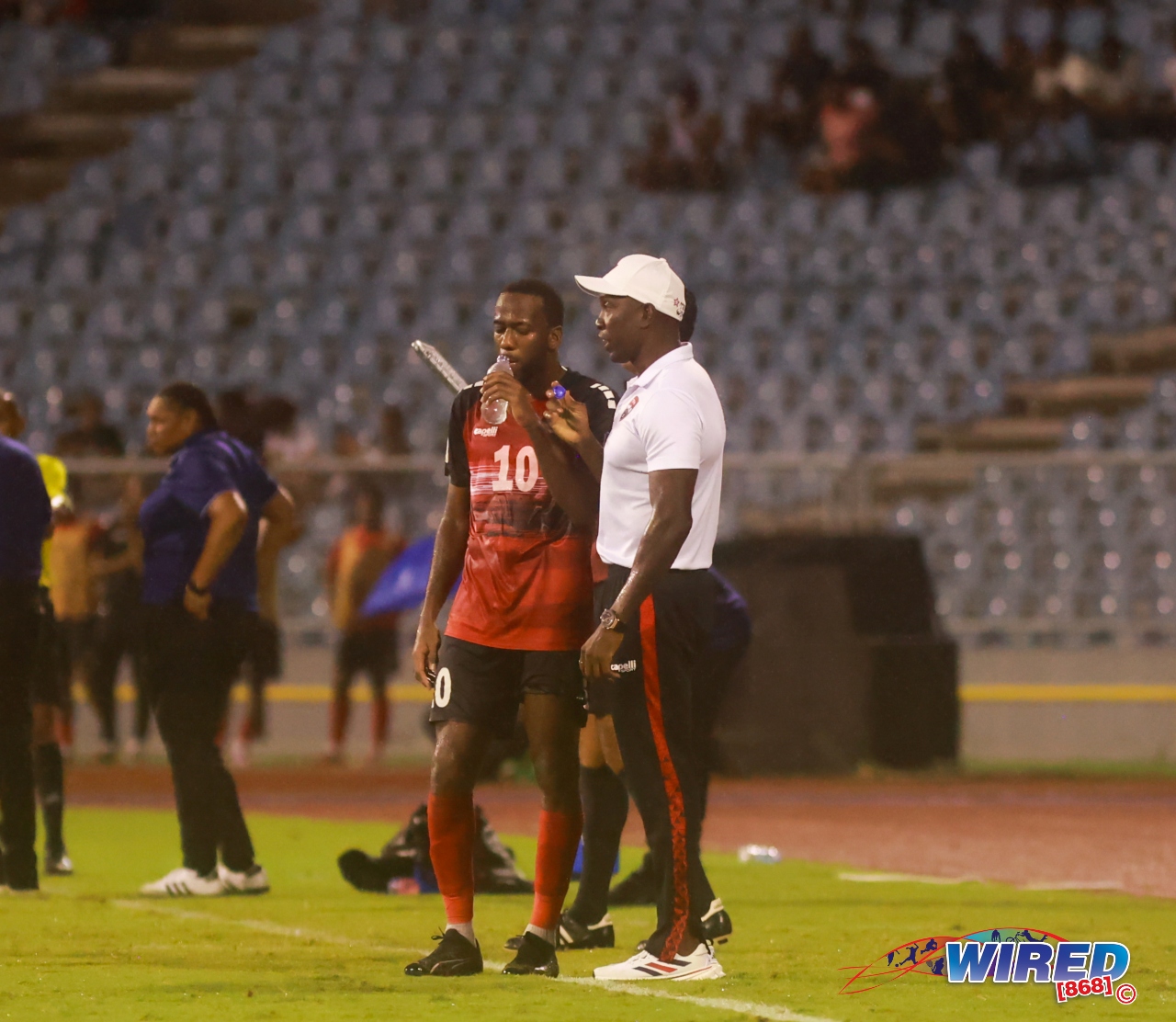
Photo: Nicholas Bhajan/ Wired868.
Wired868: Dwight, thanks for your time.
Yorke: Thank you.
Editor’s Note: If Trinidad and Tobago had defeated Curaçao with a late Nathaniel James goal and the other results remained the same, the Soca Warriors would have gone into the final qualifying game against Bermuda at the Hasely Crawford with a chance to top the group on goal difference—or at least get to the World Cup inter-confederation playoffs.
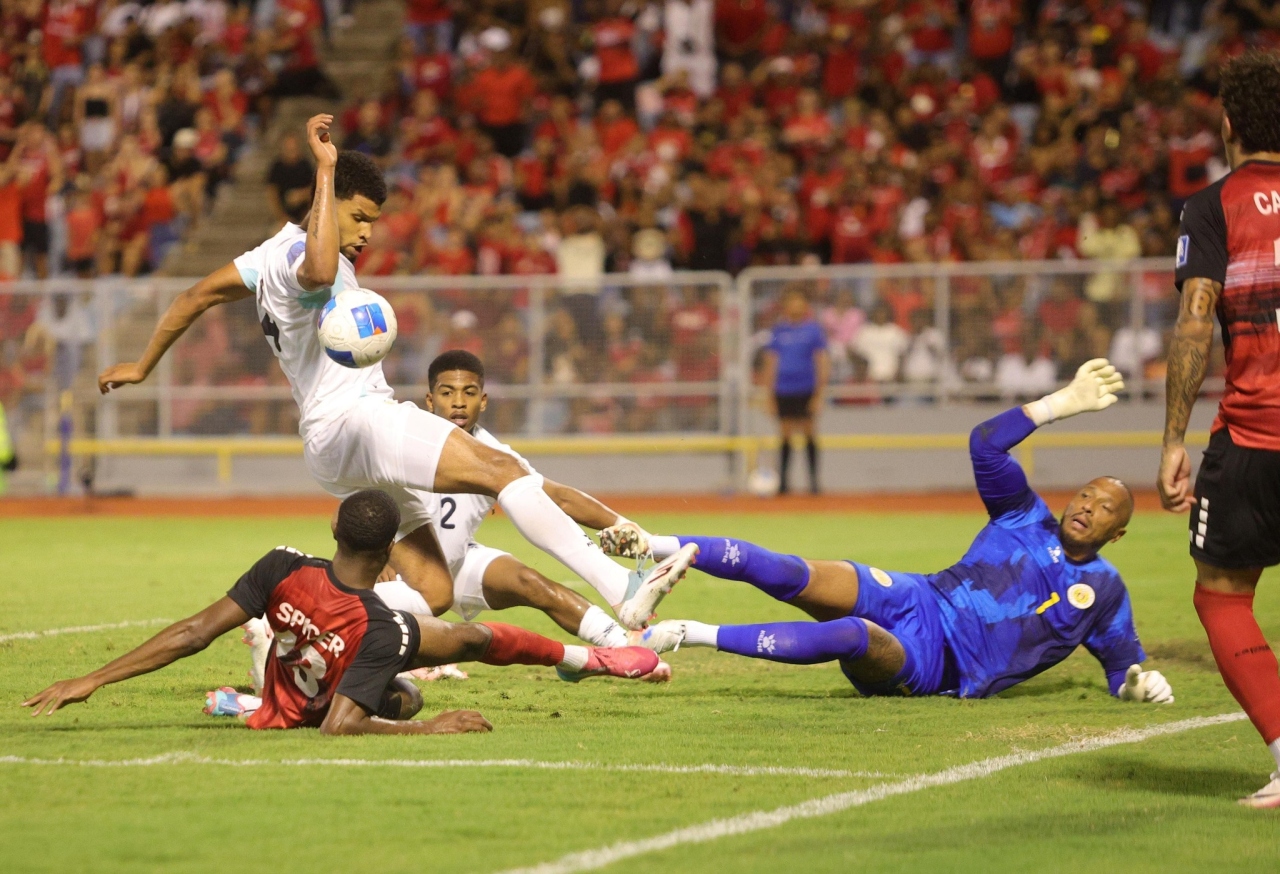
The contest ended goalless.
(via TTFA Media.)
The standings on the morning of the final match day would have been: Curaçao 10 points (+9GD), Jamaica 10 points (+8GD), Trinidad and Tobago 8 points (+2GD), Bermuda 0 points (-19GD).
Jamaica drew goalless with Curaçao at home in their closing fixture, while Trinidad and Tobago, fielding a weakened team, drew 2-2 with Bermuda.
Dwight Yorke’s record as Trinidad and Tobago coach (tabulated as played-won-drawn-loss-goals for-goals against):
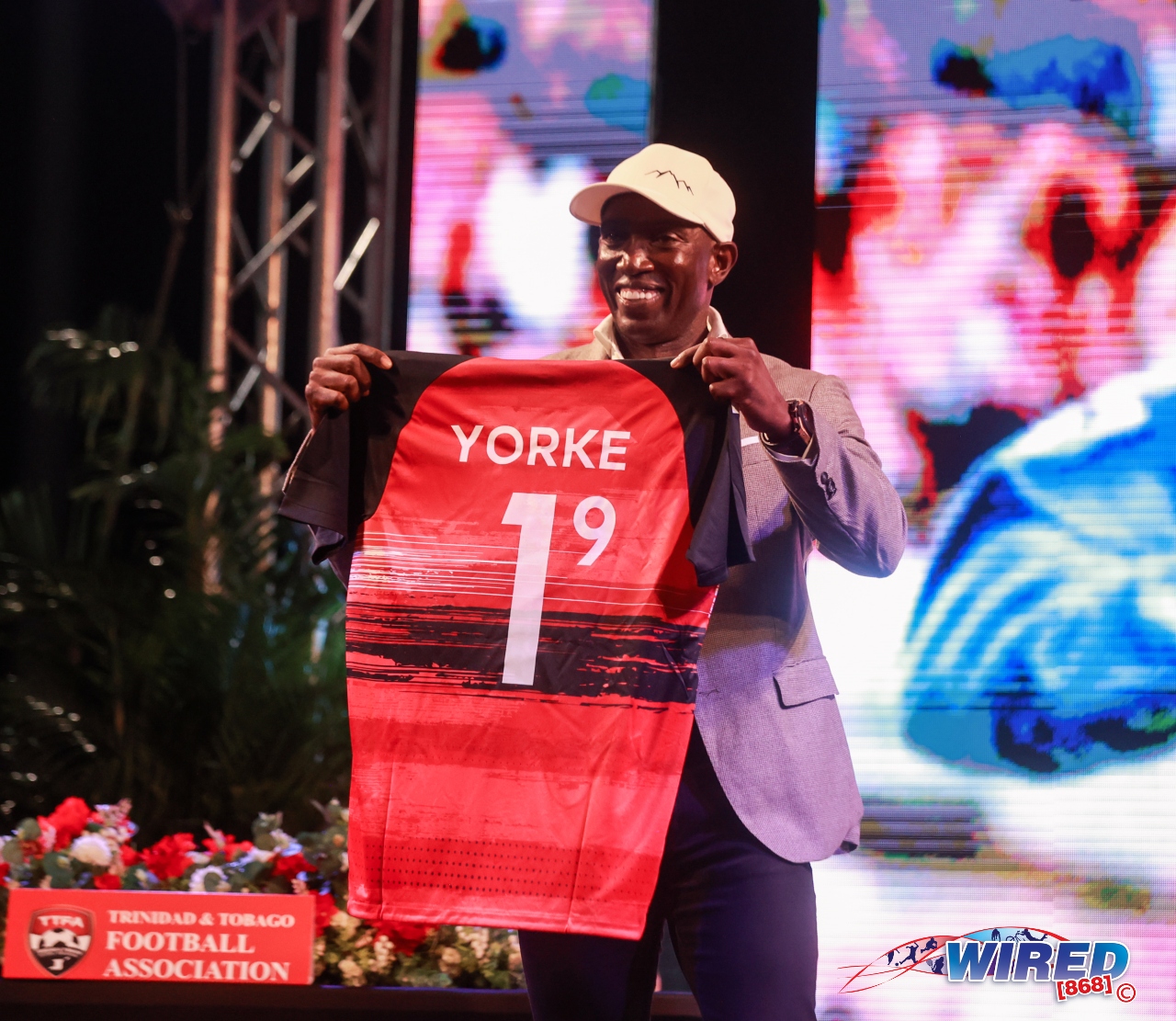
Photo: Nicholas Bhajan/ Wired868.
Overall Record: 18-4-7-7-26-30.
Competitive Record: 13-4-6-3-21-18.
Home Record: 5-2-3-0-13-5.
Away Record: 13-2-4-7-13-25.
|
Wired868 has provided readers with solid, independent journalism since 2012. If you appreciate our work, please contribute to our efforts. Support Independent Journalism |

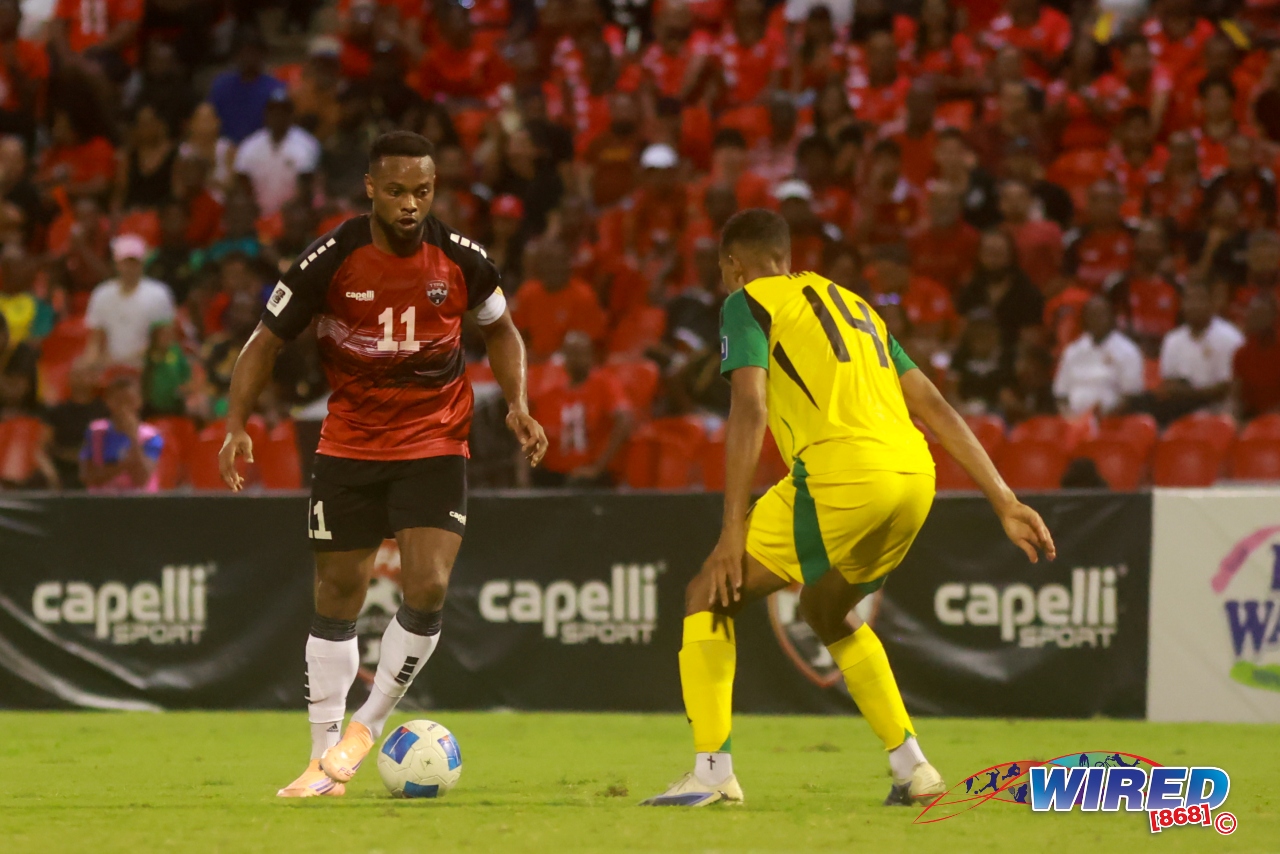
Trinidad and Tobago Men’s National Senior Team head coach Derek King announced his strongest team since his reappointment, as the Read more
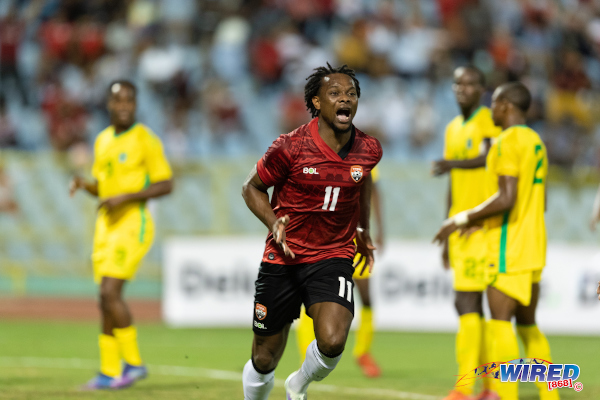
The Trinidad and Tobago Men’s National Senior players are prepared to represent their country in the 2026 Concacaf Nations League Read more
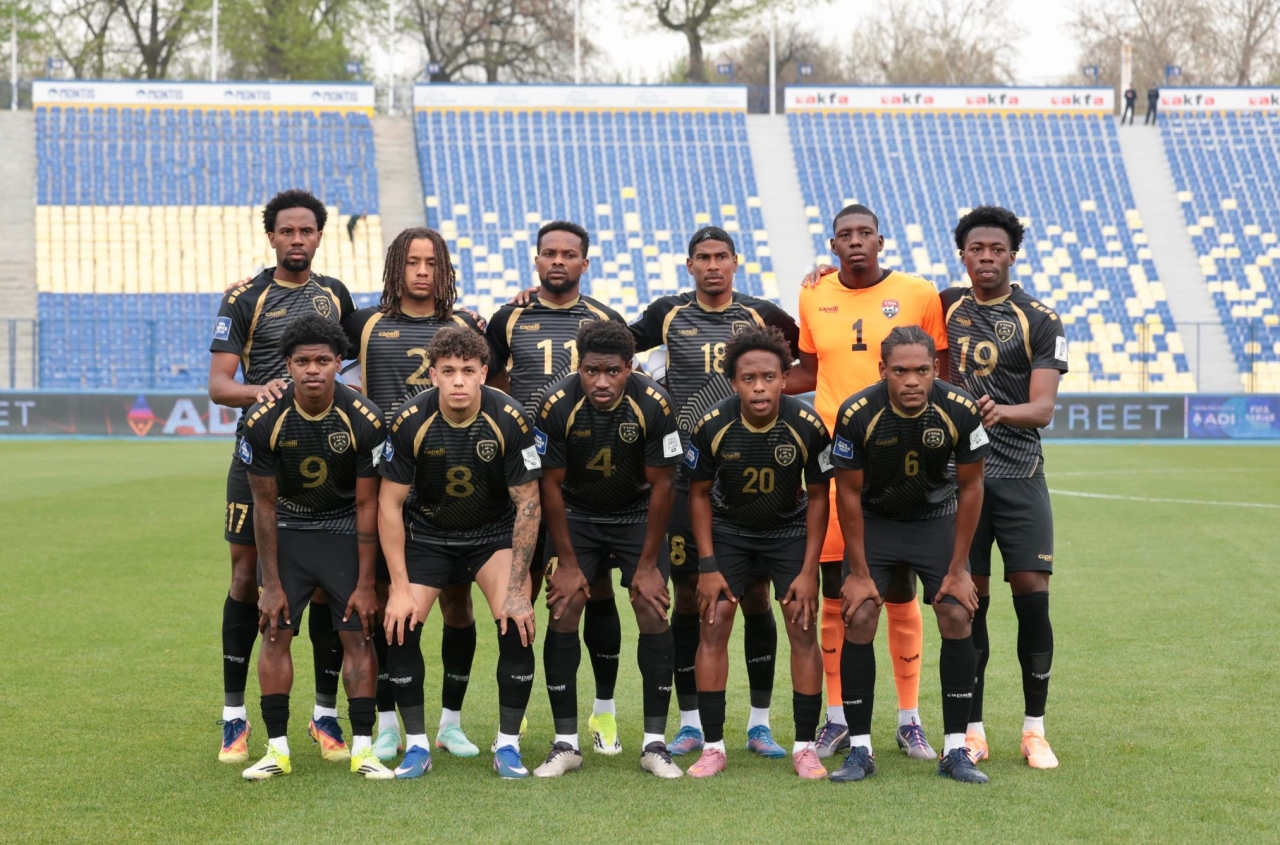
“[…] In Trinidad and Tobago, it feels like being a footballer is the worst job you can have. Elsewhere, in Read more
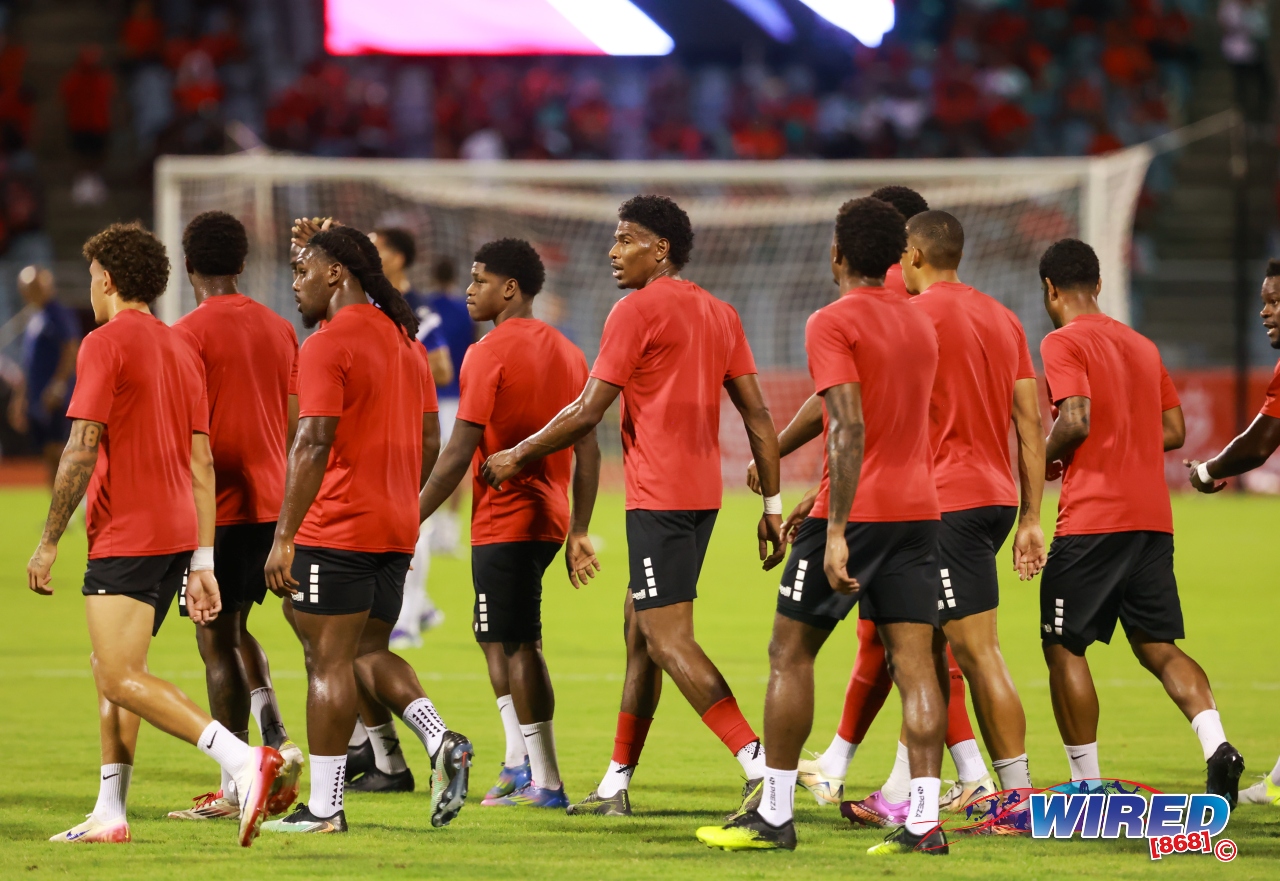
Do any Trinidad and Tobago Men’s National Senior Team footballers still believe in the verbal assurances of Trinidad and Tobago Read more
“[…] We kick off the Nations League competition on the road against Haiti, followed by Dominican Republic at home (on Read more
The Trinidad and Tobago Boys National Under-14 Team travelled to the Dominican Republic with one player short yesterday, for the Read more
Lasana Liburd is the managing director and chief editor at Wired868.com and a journalist with over 20 years experience at several Trinidad and Tobago and international publications including Play the Game, World Soccer, UK Guardian and the Trinidad Express.

A good read but, in the final analysis, your headline would not have been far off with a different quote pulled from the text: I don’t want to go into too many specifics.
Still, having read every word, I’d honestly give a whole lot to be able to eavesdrop on a conversation between the ex-coach and the current president—especially if Mr Edwards has also read the interview.
It’s sad seeing that Dwight Yorke is leaving, ut we will give credit to him, he had done very well with his players and them. Now all we need is a top foreign coach and staff from europe ahead of the friendly matches in late May & early June, Concacaf Nations League 2026-27 (September) & the 2030 World Cup Qualifiers. If we get one, our FIFA rankings will rise up again