 Wired868 Wired868 for smart sport news and opinion
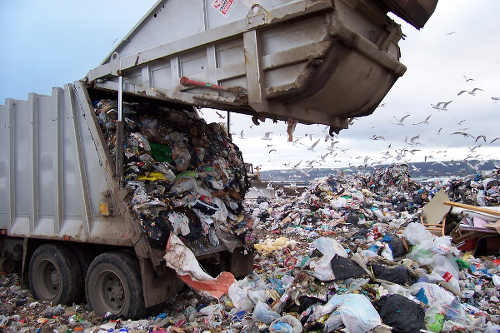
“For years we have heard from environmental experts about the impact of leachate from our landfills and the negative impacts that can have on groundwater. We have only recently heard that our potable (drinking) water may have traces of lead.
“Just that idea is frightening since lead is a pervasive environmental contaminant and any traces of it that reach our taps can have acute and chronic impacts.”
The following Letter to the Editor discussing the wider environmental issues spawned by the fear that there may be lead in the country’s drinking water was submitted to Wired868 by Mr Salaah Inniss of Santa Rosa Heights:
(Courtesy St Louis County)
It’s about time this government get serious with environmental issues. Of course the abhorrent crime and murders situation should not be the only offences that have this government preoccupied. Environmental issues for the last decade have been a topic throughout the world. As a country we are signatories to a number of treaties and conventions aimed at protecting both the biotic and abiotic of our planet.
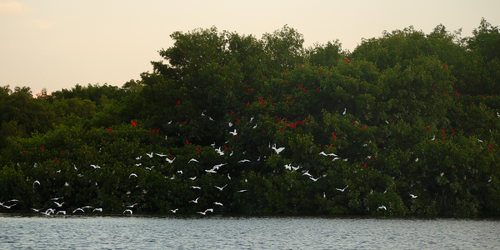
One does not have to be an environmentalist to appreciate the evidence of the deforestation of the Northern Range or the decimation of flora and fauna or the ruin and contamination of our Ramsar sites, namely the Caroni Swamp and Nariva Swamp.
We have witnessed activists and experts from environmental groups pleading for Government to at least sit down and talk about the ecological issues that are creating environmental concerns.
There are NGOs who have been front and centre, admonishing the powers-that-be to castigate those responsible for destroying and polluting our wetlands, rivers and oceans, thus causing aquatic life degradation and loss of biodiversity. Their cry is echoed by fishermen who have seen a reduction in fish yields over the years.
(Copyright caroniswamprdi.org)
Is this government oblivious to the inherent value of our environment? Or is it that, because there are no gains or it is not a saleable commodity, there is nothing of monetary value to be gained? If that is their premise, then why is money allocated for restoration of the Red House or even of President’s House?
While one can argue that these buildings may be considered historical sites and their preservation is in keeping with UNESCO conservation and preservation of cultural properties dictates, it follows that protection of our natural environment should fall under the same umbrella.
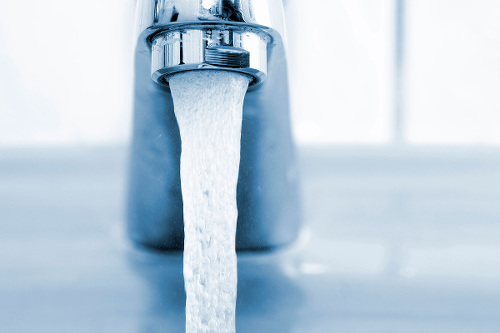
For years we have heard from environmental experts about the impact of leachate from our landfills and the negative impacts that can have on groundwater. We have only recently heard that our potable (drinking) water may have traces of lead. Just that idea is frightening since lead is a pervasive environmental contaminant and any traces of it that reach our taps can have acute and chronic impacts.
(Copyright RD.com)
So there is no justification for dismissing any such report as frivolous just to save political face.
Here again is an opportunity for the government of the day to ensure that environmental sustainability is maintained through consensus with all stakeholders. It calls for the political will to do what is right, to promote and increase public education, to make citizens understand and be aware that we must change our attitude and recognize the environmental implications of our actions.
As a developing country, we are entrusted with the responsibility of protecting our environment. We need to be committed to our involvement as well as to our undertaking to “…meet the needs of the present without compromising the ability of future generations to meet their own needs.”
That must be our solemn promise.

(Copyright Gowanderscape)

In two years, I will be a pensioner myself. So when I say the upcoming budget must increase the old Read more
Is this new UNC Government celebrating our Independence, or declaring its independence from public accountability and the rights of its Read more
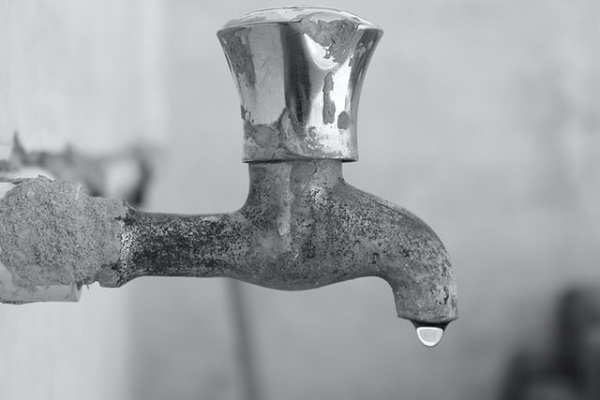
“[…] As the applause faded, I thought about our inconsistent and unreliable water schedule, even in the rainy season. I’ve Read more
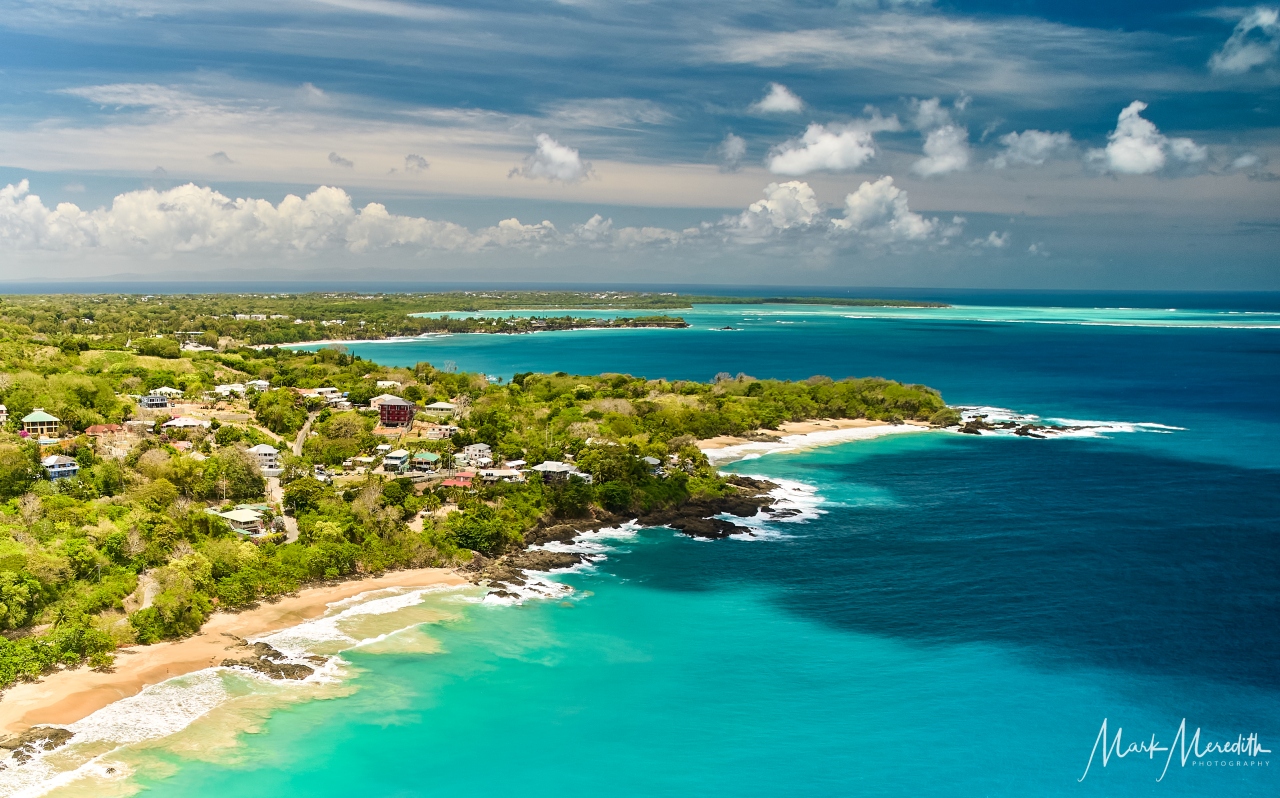
“[…] (John Aboud’s Superior Hotels) consistently refused to adjust the project’s scale, design, or mitigation strategies, demonstrating a profound lack Read more

I first noticed the candlestick tree at the back of Garden with Wings in the Royal Botanic Gardens. It was Read more
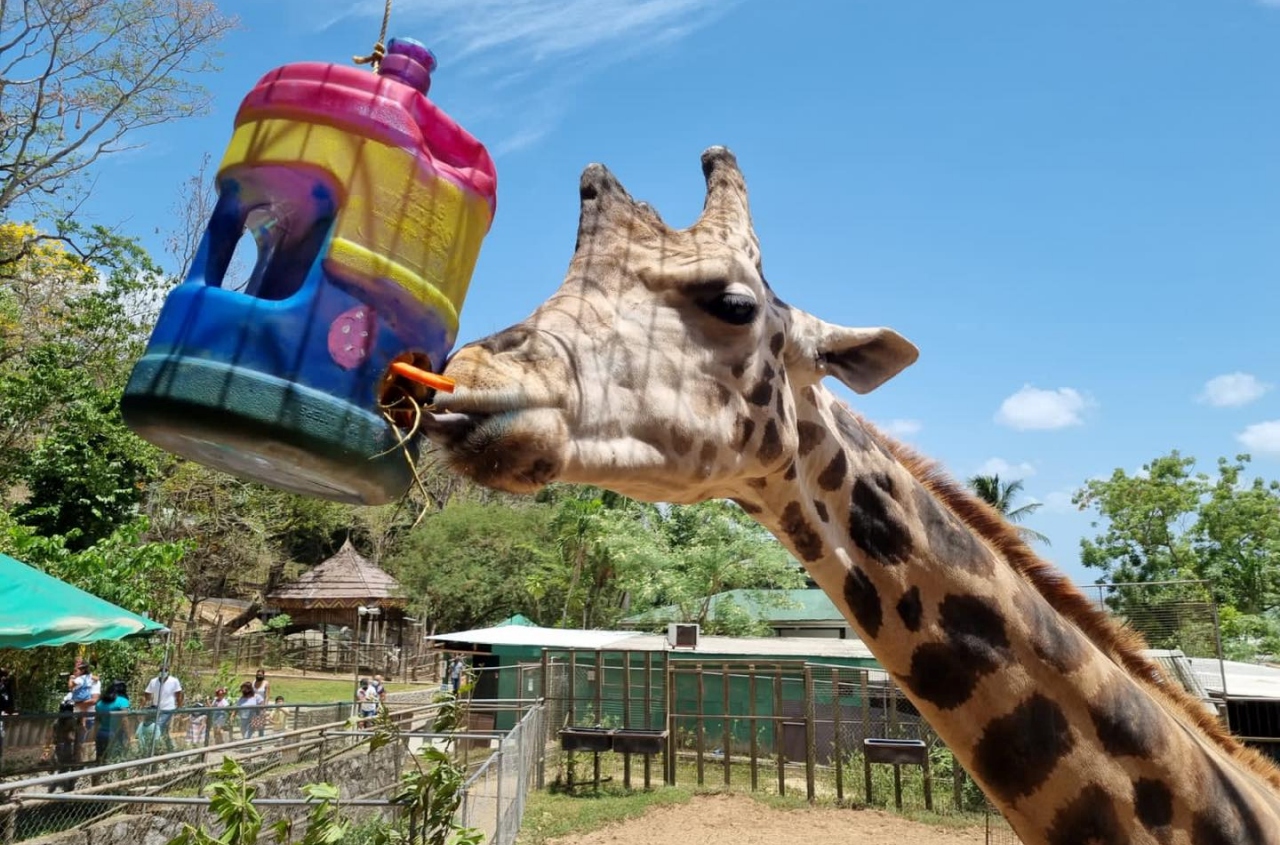
There is something quietly disarming about watching a child see a giraffe in the zoo for the first time. The Read more

Salaah Inniss is an ardent writer with an enthusiasm for bringing insightful views on national issues. He graduated from Cipriani College in Environmental Management, and is presently working in the Integrated Facilities Building Service Industry. He is an empathetic supporter of conservation and the protection of the environment.

I suspect that North Oropouche water may be quite safe. Caroni Arena’s should be the cause of major concern.