 Wired868 Wired868 for smart sport news and opinion
“[…] Mr St Gary Rose speaks extensively about what complainants are not entitled to demand. Yet he provides considerably less clarity about the mechanisms through which his own department can be independently examined when its decisions or procedures are challenged.
“Who determines whether a safeguarding officer has properly assessed a concern? Who reviews decisions to dismiss, delay or downgrade a complaint? And what independent mechanism exists when the complaint concerns the actions, judgement or possible conflict of interest of the very individuals entrusted with protecting children?
“These are not unreasonable questions. They go to the heart of whether the TTFA has a functioning safeguarding system or simply an internal structure that expects the public to accept its decisions without meaningful scrutiny…”
The following Letter to the Editor, which looks at the functioning of the TTFA Safeguarding Department and the response of its manager, Gary St Rose, to public criticisms, was submitted to Wired868 by The Independent Observer:

Having read the recent exchange of letters concerning the Trinidad and Tobago Football Association’s safeguarding procedures, particularly the responses from Safeguarding manager Gary St Rose, I am increasingly concerned by what appears to be a fundamental misunderstanding of accountability within the organisation.
Mr St Rose is correct about one thing: safeguarding investigations should never be determined by public pressure, personal relationships or the demands of a complainant.

But he seems to have missed an equally important principle. Safeguarding officers are not above scrutiny simply because they are responsible for safeguarding.
In his 12 October response, Mr St Rose repeatedly emphasises confidentiality, professional judgement, risk assessments and due process. These are all essential components of child protection. Nobody with a reasonable understanding of safeguarding would dispute that.
What is troubling is the manner in which these principles are being presented, almost as though questioning the Department’s handling of a complaint is itself an interference with safeguarding.
It is not.
In education, safeguarding is not simply a policy that an institution adopts or a certificate that its employees receive. It is a continuing duty to identify risks, prevent foreseeable harm, respond appropriately to concerns and remain accountable for decisions made in the name of protecting children.
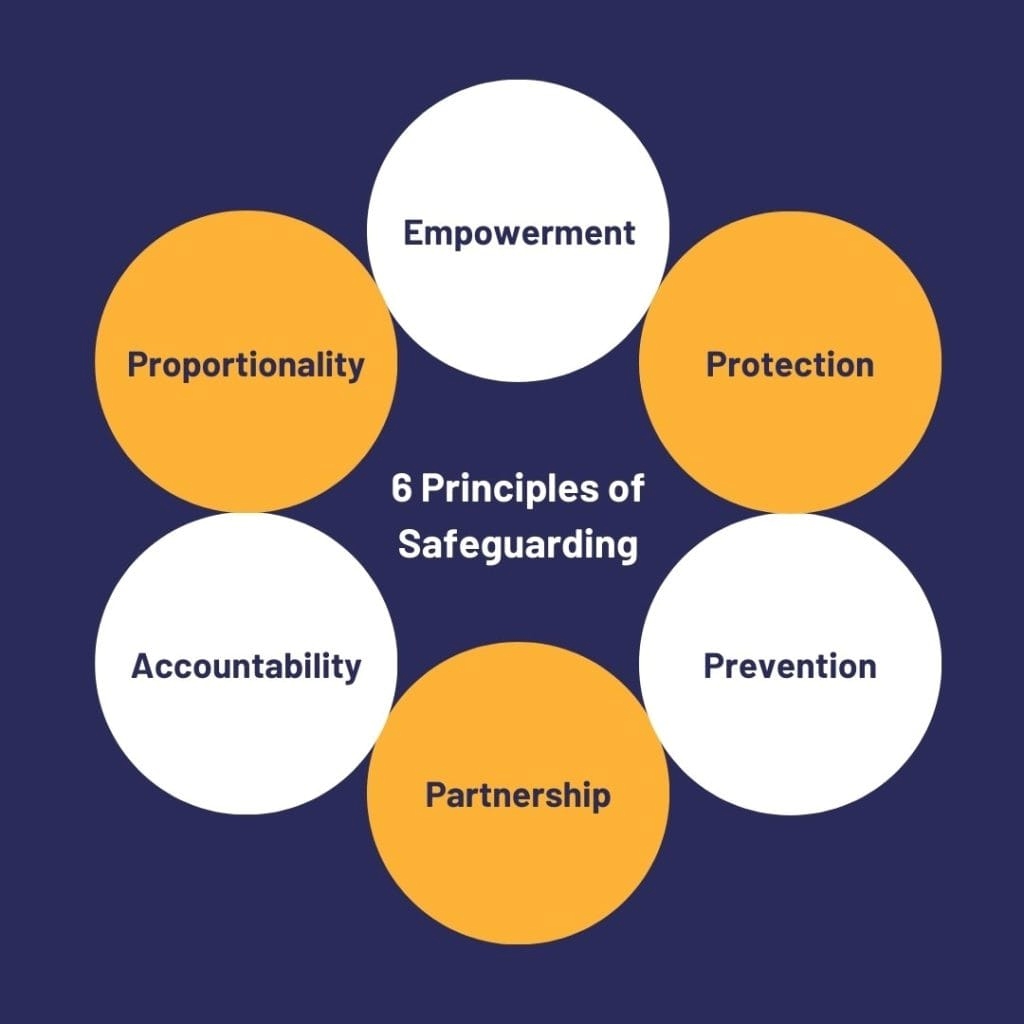
That accountability extends to the safeguarding officers themselves.
Mr St Rose speaks extensively about what complainants are not entitled to demand. Yet he provides considerably less clarity about the mechanisms through which his own department can be independently examined when its decisions or procedures are challenged.
Who investigates the investigators?
Who determines whether a safeguarding officer has properly assessed a concern? Who reviews decisions to dismiss, delay or downgrade a complaint? And what independent mechanism exists when the complaint concerns the actions, judgement or possible conflict of interest of the very individuals entrusted with protecting children?
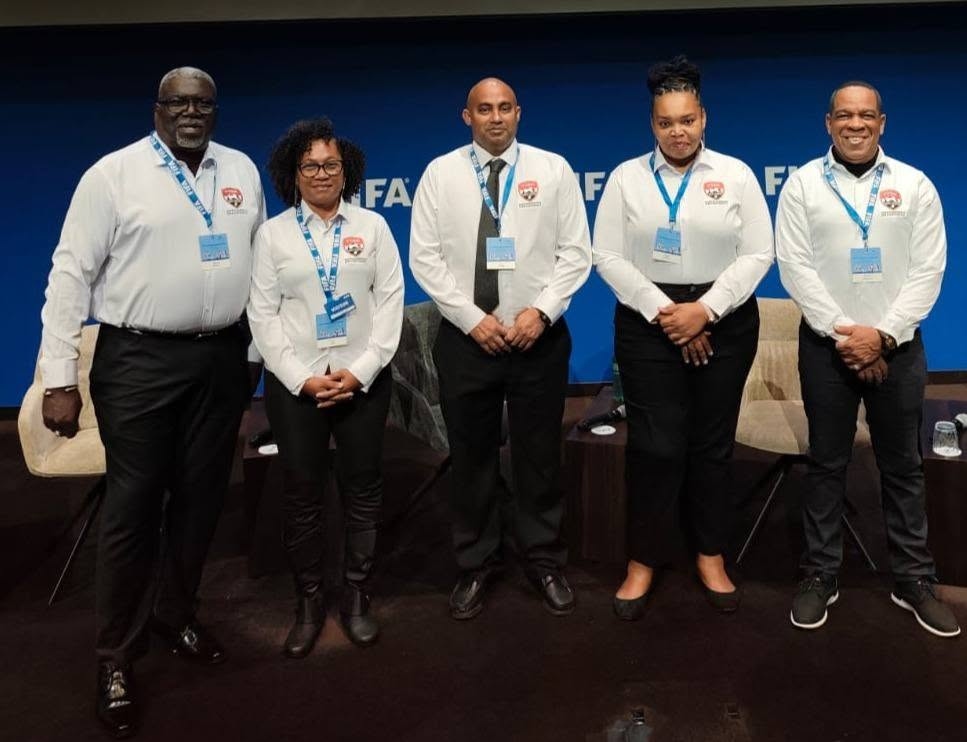
(via TTFA.)
These are not unreasonable questions. They go to the heart of whether the TTFA has a functioning safeguarding system or simply an internal structure that expects the public to accept its decisions without meaningful scrutiny.
Trinidad and Tobago already has a legislative framework for child protection, including the Children’s Authority Act and its accompanying Regulations. This framework recognises that child protection requires proper assessment, investigation and intervention by competent authorities.
The Children’s Authority Regulations expressly allow any person to report a child believed to be in need of care and protection. The Authority, not a sporting association acting in isolation, has statutory responsibilities for determining and responding to such concerns.
(via FA.)
The TTFA’s internal policies cannot replace those statutory responsibilities or place the Association beyond the reach of independent authorities.
This raises another important question: When allegations involving children are received, what criteria does the TTFA use to determine whether a matter must be referred to the Children’s Authority or another competent body rather than handled exclusively within football?
The public is entitled to understand that process without receiving the private details of a single child.
Mr St Rose also refers to professional risk assessments. That sounds reassuring, but a risk assessment is only as reliable as the information gathered, the competence of the assessor and the independence of the process.
The mere assertion that an assessment was conducted is not proof that it was adequate.
In the recent Trinidad and Tobago Boys’ National Under-14 Team controversy, Mr St Rose has stated that the Department’s assessment did not establish that the reporting parent’s child was left unsupervised or placed in danger. That is his Department’s stated conclusion, and it must be acknowledged fairly.
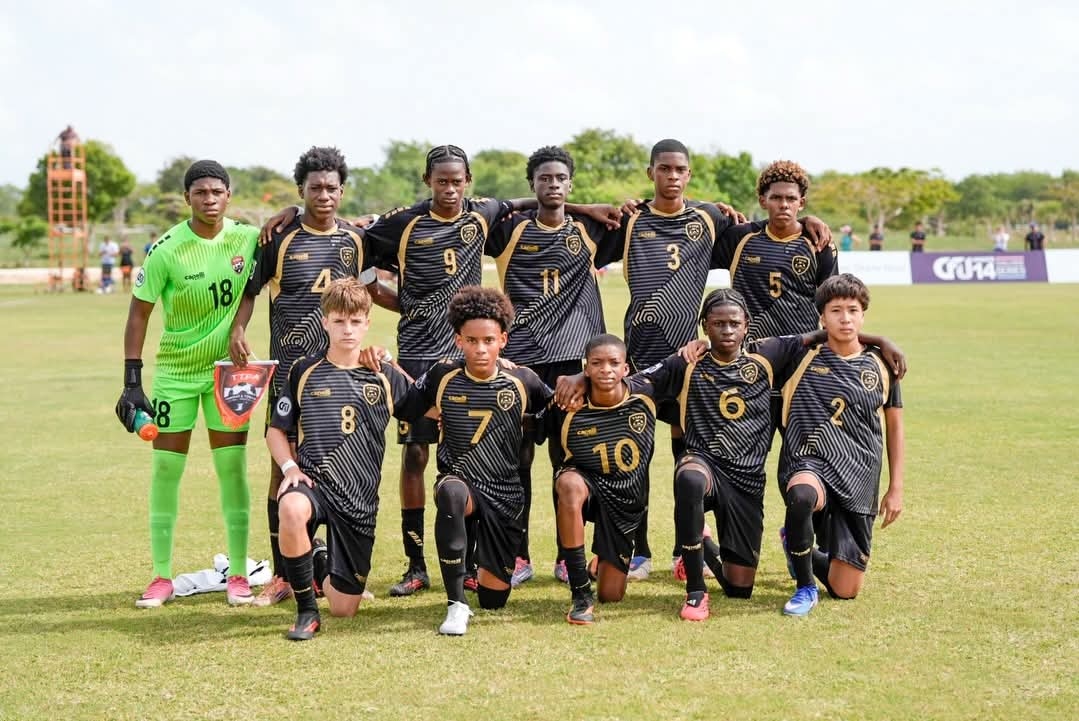
Photo: CFU.
However, the broader issue remains: what evidence was examined, were all relevant parties heard, were travel supervision protocols reviewed, and was the assessment subject to appropriate oversight?
No parent should have to disclose another child’s confidential circumstances to receive reassurance that the systems responsible for supervising their own child have been properly examined.
The distinction between confidentiality and secrecy must not be lost.
Confidentiality protects children, witnesses and sensitive information. Secrecy, when used improperly, can protect institutions from difficult questions.
The two must never be confused.
It is also deeply concerning when legitimate requests for updates are characterised primarily as external pressure. A parent asking whether a risk assessment has been completed, whether interim protective measures are necessary or when another update can reasonably be expected is not necessarily attempting to dictate an investigation.
That parent may simply be exercising the responsibility that every safeguarding programme should encourage: speaking up when something does not appear right.

Even the Children’s Authority recognises that reporters can receive limited progress information without compromising a child’s privacy. Surely the TTFA can explain how its own communication procedures balance those same principles.
There is another issue which deserves serious examination.
The TTFA exercises substantial authority over clubs, academies, coaches and individuals through its safeguarding and licensing framework. It requires compliance, training and adherence to its standards, with potential consequences for those who fail to meet them.
That authority brings an equally substantial responsibility to demonstrate that the Association itself follows the standards it imposes on others.
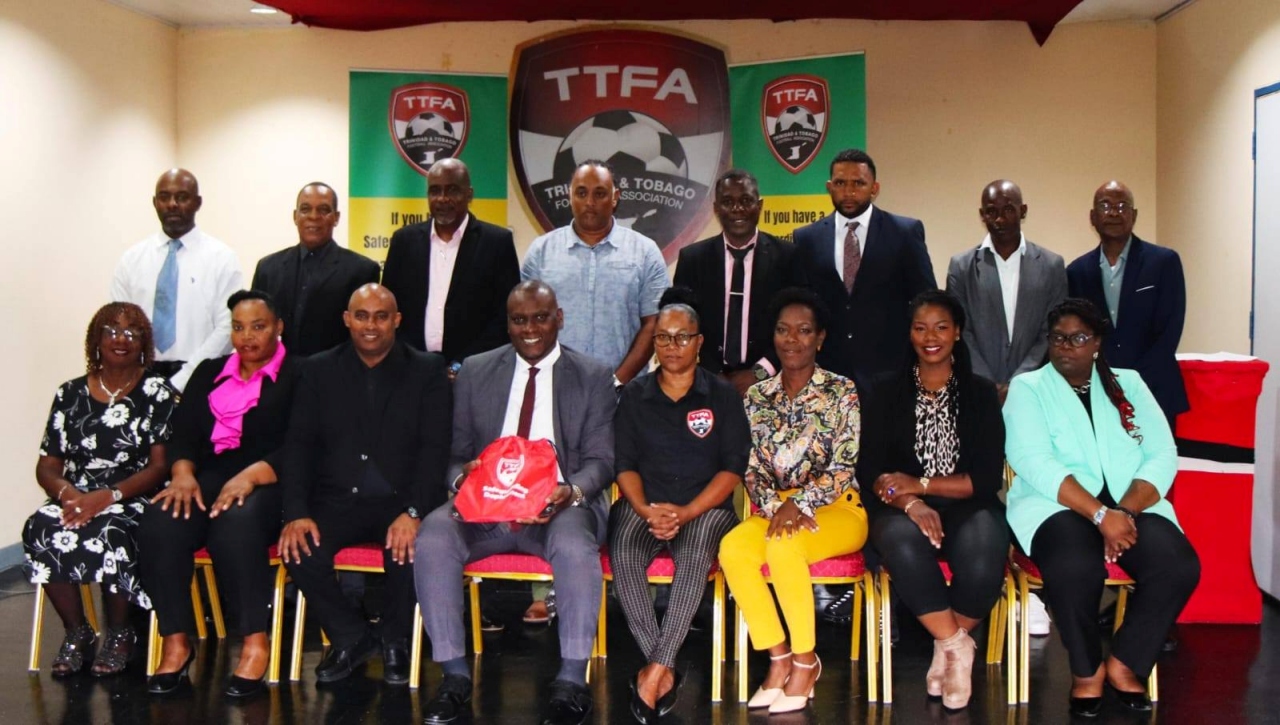
(via TTFA Media.)
- An organisation cannot demand transparency, compliance and accountability from everyone beneath its authority while treating scrutiny of its own operations as an inconvenience.
- Nor should safeguarding powers ever become a means of settling administrative disagreements, silencing criticism or imposing restrictions without properly documented grounds and fair procedures. I am not suggesting that such misconduct has been established in the present dispute. I am saying that an effective system must contain independent safeguards against precisely those possibilities.
Fifa’s comprehensive Safeguarding Policy, approved in March 2026, reinforces this point. Its framework extends beyond receiving complaints and conducting investigations. It includes prevention, response, monitoring, evaluation, governance and accountability.
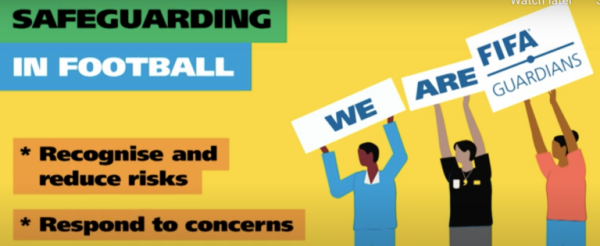
That is the standard against which the TTFA should welcome examination.
Mr St Rose has repeatedly stated that his department is accountable to applicable laws, governing policies and competent statutory authorities.
Then demonstrating that accountability should not be difficult.
Publish clear, anonymised information on the number of concerns received, the time taken to assess them, referrals made to statutory authorities, cases concluded, protective measures implemented and the avenues available for independent review.

Photo: TTFA Media.
Clarify who investigates complaints against safeguarding officials and how conflicts of interest are managed.
Make the procedural rights of complainants and persons accused of misconduct publicly accessible.
None of these measures requires identifying a child or compromising an active investigation.
The TTFA should also welcome an independent review of its safeguarding practices—not because any particular allegation has already been proven, but because the public’s confidence in child protection should never depend solely on the assurances of the department being questioned.

Mr St Rose, safeguarding does not belong to the safeguarding manager. It does not belong to the TTFA executive. And it certainly does not exist to protect the reputation of an organisation.
The moment an institution becomes more concerned with defending its authority than demonstrating the effectiveness of its protective systems, it risks losing sight of that fundamental purpose.
Parents are not the enemy of safeguarding. Accountability is not external interference. And asking legitimate questions is not an attack on due process.

Photo: CFU.
The TTFA would do well to remember that safeguarding is measured not by how forcefully its officers defend their procedures, but by how consistently those procedures protect children, respect rights and withstand independent scrutiny.
Until those standards are openly demonstrated, the questions will continue—and rightly so.

“[…] Our responsibility is not to respond to the loudest voice, but to protect every child according to their individual Read more
“[…] In April 2025, Wired868 reported that TTFA safeguarding manager Gary St Rose said his department had handled 561 reported Read more
“[…] There are also concerns about statements reportedly made to players and/or during discussions with members of the football community, Read more
“[…] The safeguarding process belongs to the protection of the child and the proper management of risk—it does not belong Read more
“[…] A Trinidad and Tobago National U-14 player was reportedly left at Piarco International Airport at approximately 3am, after the Read more
“[…] Safeguarding is often discussed primarily in terms of protecting children and athletes from abuse, neglect, exploitation, harassment and other Read more

Want to share your thoughts with Wired868? Email us at editor@wired868.com.
Please keep your letter between 300 to 600 words and be sure to read it over first for typos and punctuation.
We don’t publish anonymously unless there is a good reason, such as an obvious threat of harassment or job loss.
