 Wired868 Wired868 for smart sport news and opinion
“[…] Concacaf has announced that a 16-team Women’s U-17 qualifying competition will take place in February 2027, as part of the pathway to the Fifa U-17 Women’s World Cup.
“[…] So why, with the competition only months away, is there seemingly no visible U-17 women’s national programme preparing the girls who are eligible to participate?
“That question becomes even more pressing when we consider the age group that appears to be missing from the present development structure…”
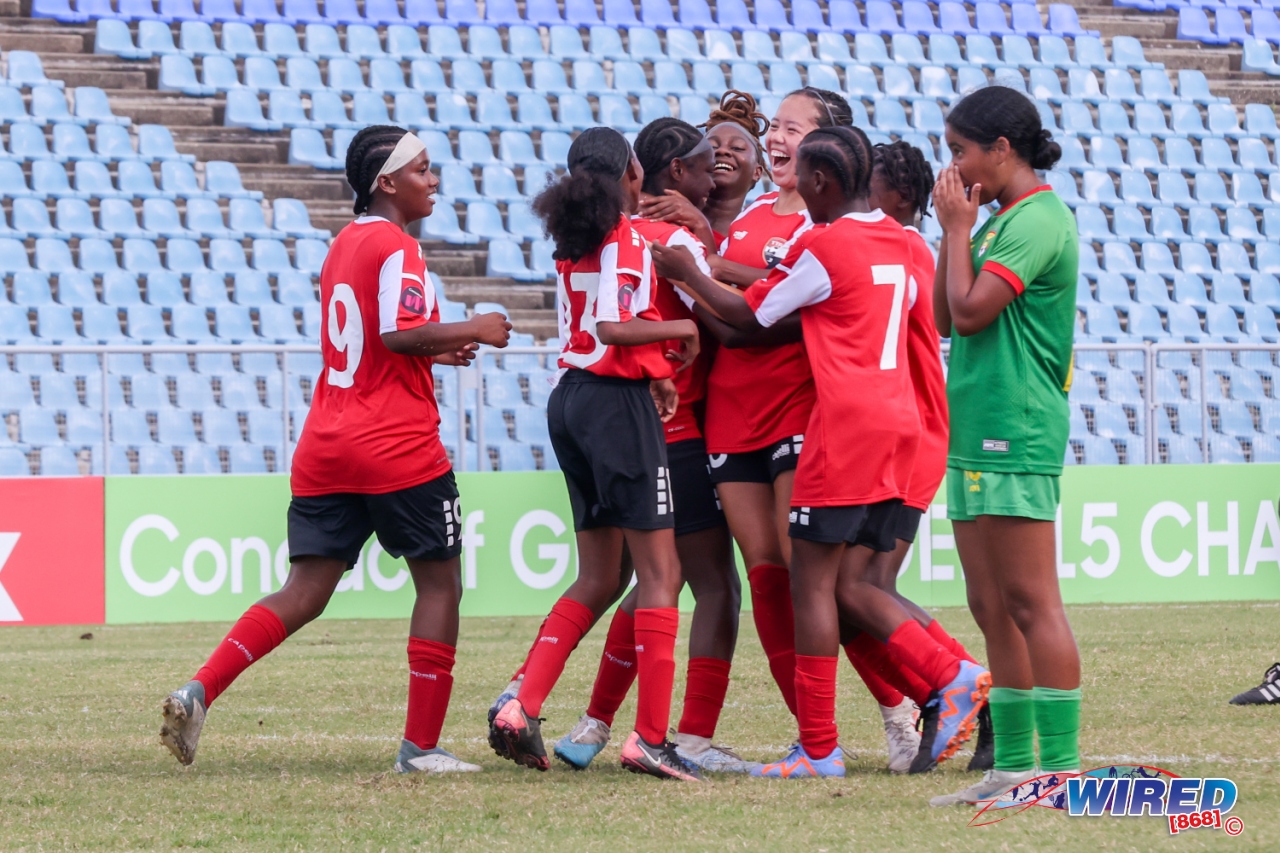
The core of this team would expect to comprise the Women’s National U-17 team in 2027.
Photo: Daniel Prentice/ Wired868.
In the following Letter to the Editor, a women’s football stakeholder demands transparency from the Trinidad and Tobago Football Association on its plans—or lack thereof—for the Women’s National Under-17 Team:

If Trinidad and Tobago has a pathway to the 2027 Concacaf Women’s U-17 Qualifiers, why is there no visible preparation for the girls eligible to compete?
There is a question that the Trinidad and Tobago Football Association needs to answer urgently:

(via TTFA.)
Is Trinidad and Tobago preparing a Women’s Under-17 national team for the February 2027 Concacaf Women’s U-17 Qualifiers? And, if not, why not?
Concacaf has announced that a 16-team Women’s U-17 qualifying competition will take place in February 2027, as part of the pathway to the Fifa U-17 Women’s World Cup.
Trinidad and Tobago was ranked 15th in Concacaf’s Women’s U-17 rankings published in March 2026.
So why, with the competition only months away, is there seemingly no visible U-17 women’s national programme preparing the girls who are eligible to participate?
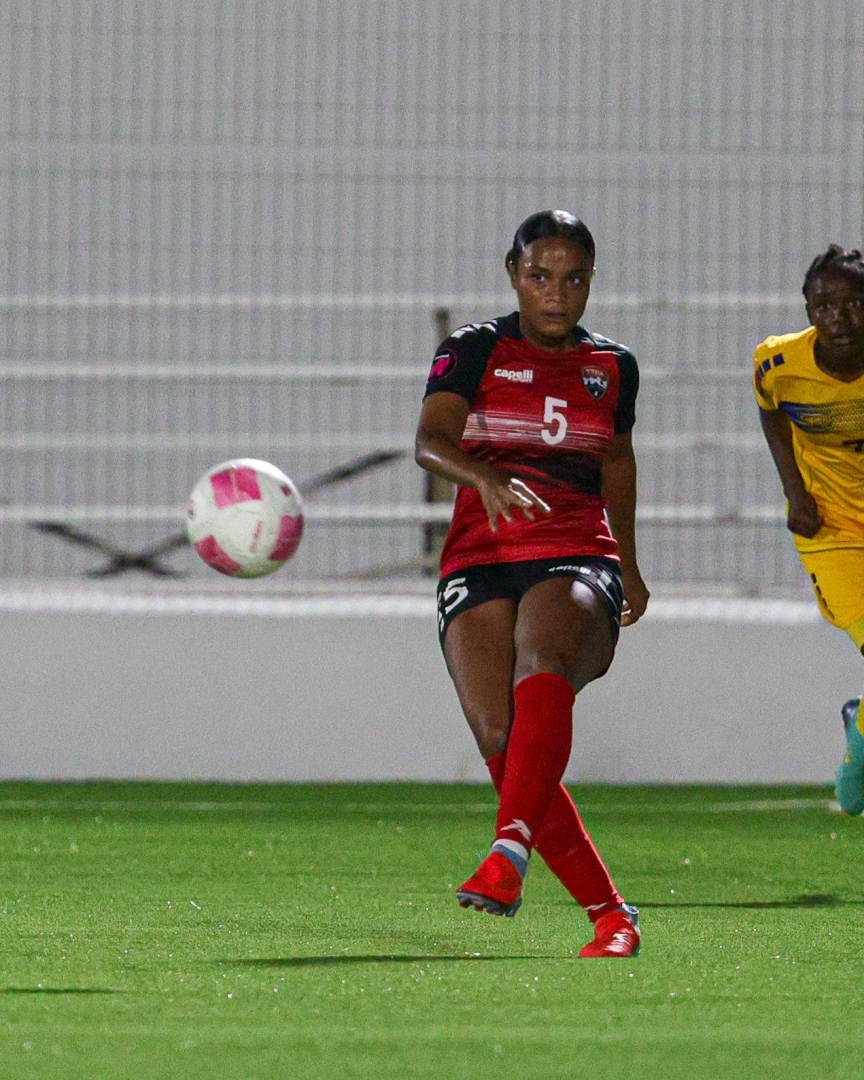
But will the next crop of talented Trinidad and Tobago girls get a chance to succeed Leben?
(via TTFA Media.)
That question becomes even more pressing when we consider the age group that appears to be missing from the present development structure.
The TTFA (Trinidad and Tobago Football Association) has restarted its Girls’ High-Performance Programme with younger players, reportedly in the U-14 and U-15 categories.
Developing those players is important and should absolutely continue. But what happens to the 16-year-old girls who are still eligible for the 2027 U-17 cycle?
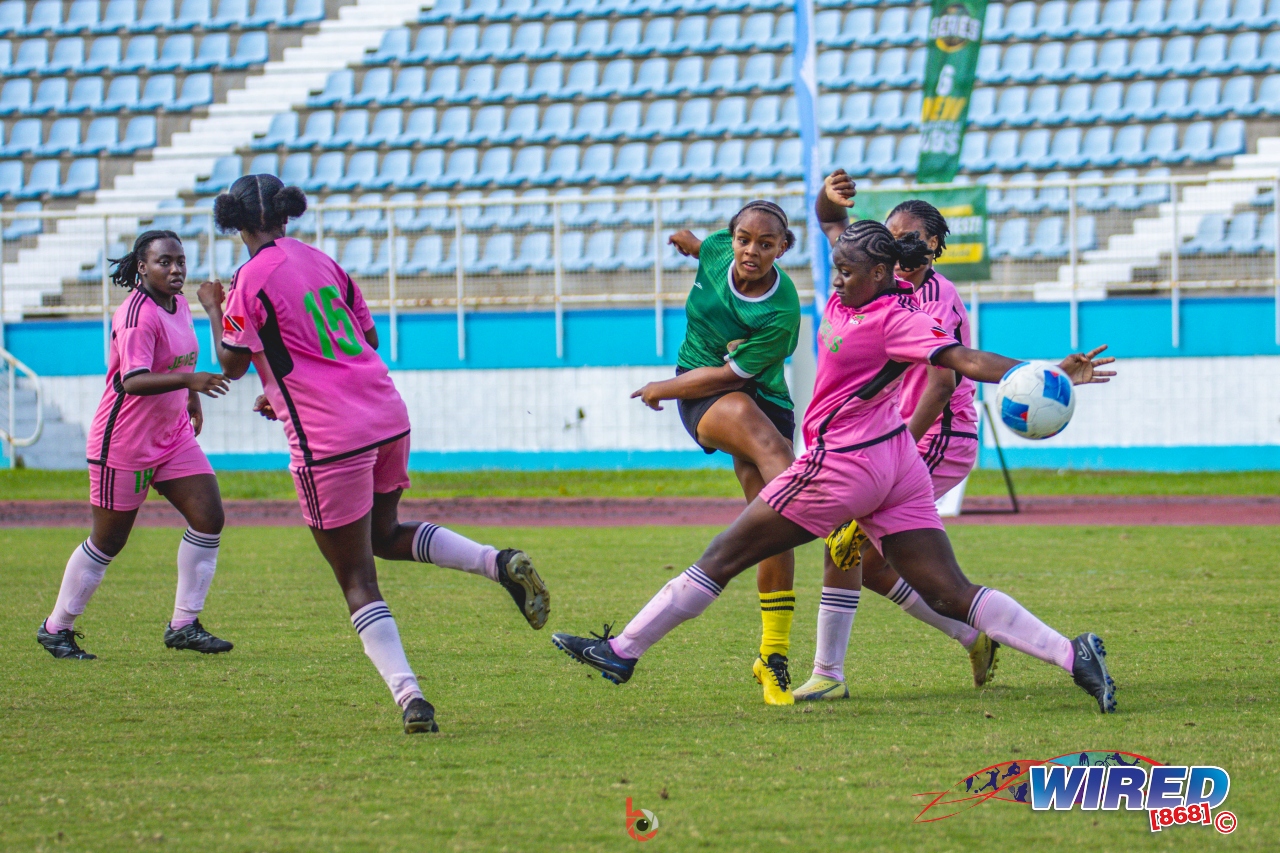
Photo: Dirk Allahar/ BCreative Designs/ Wired868.
Where is their player pool? Where are their national training sessions? Where are their screenings? Where is their preparation?
And, most importantly, have they simply been excluded from the national pathway without ever being given the opportunity to compete for a place?
These years matter. For a young female footballer, 16 and 17 are not insignificant ages. These are often the years when players begin seriously considering university opportunities, scholarships and pathways overseas.
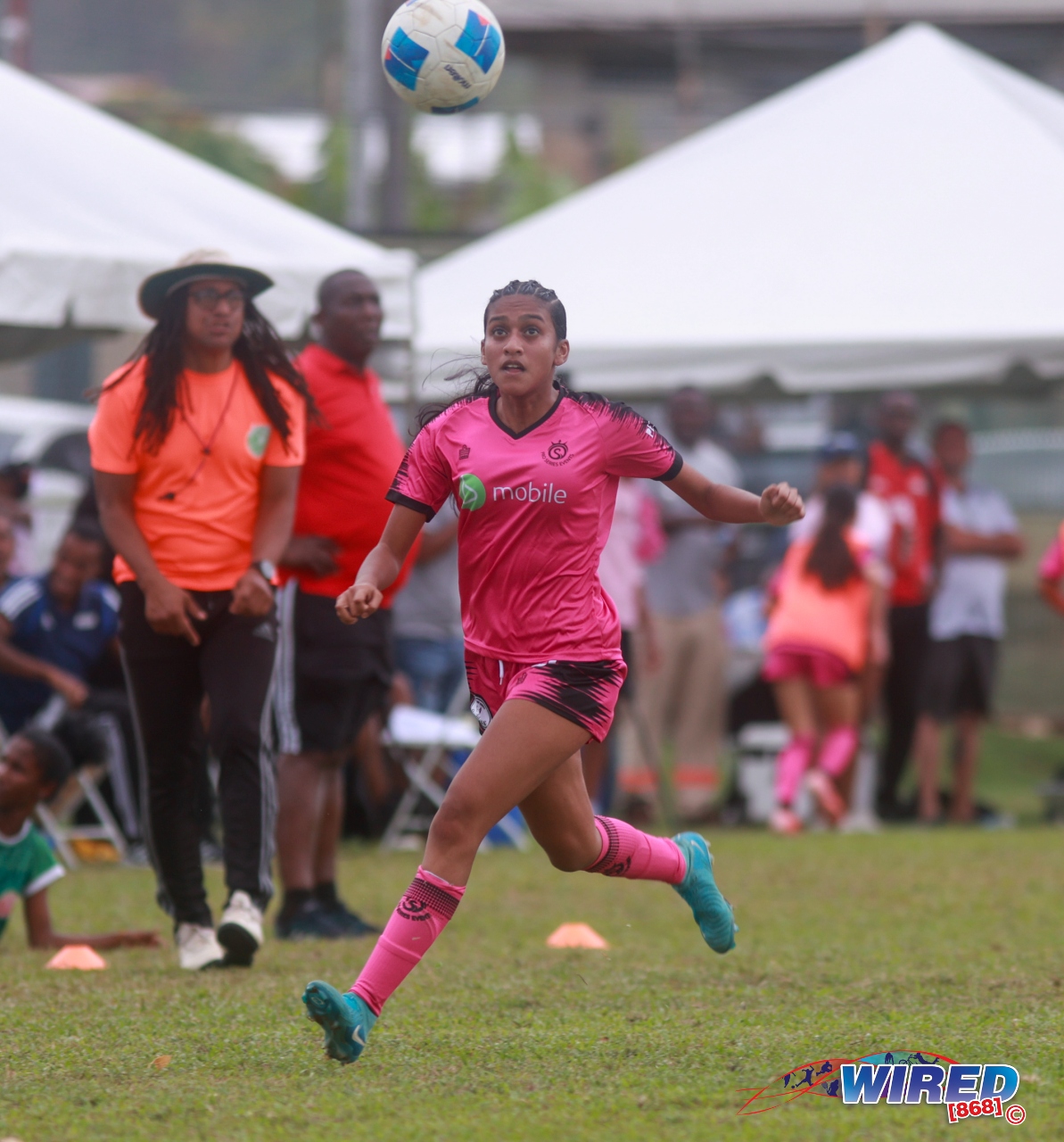
Photo: Nicholas Bhajan/ Wired868.
Players are compiling match footage, strengthening their football résumés, approaching schools, attending showcases and trying to establish themselves at a higher level.
International youth football can be an important part of that process. Representing your country provides experience and exposure that ordinary training sessions cannot reproduce.
It gives players the chance to compete against the best young footballers in the region, experience international football environments and demonstrate that they can perform at a higher level.
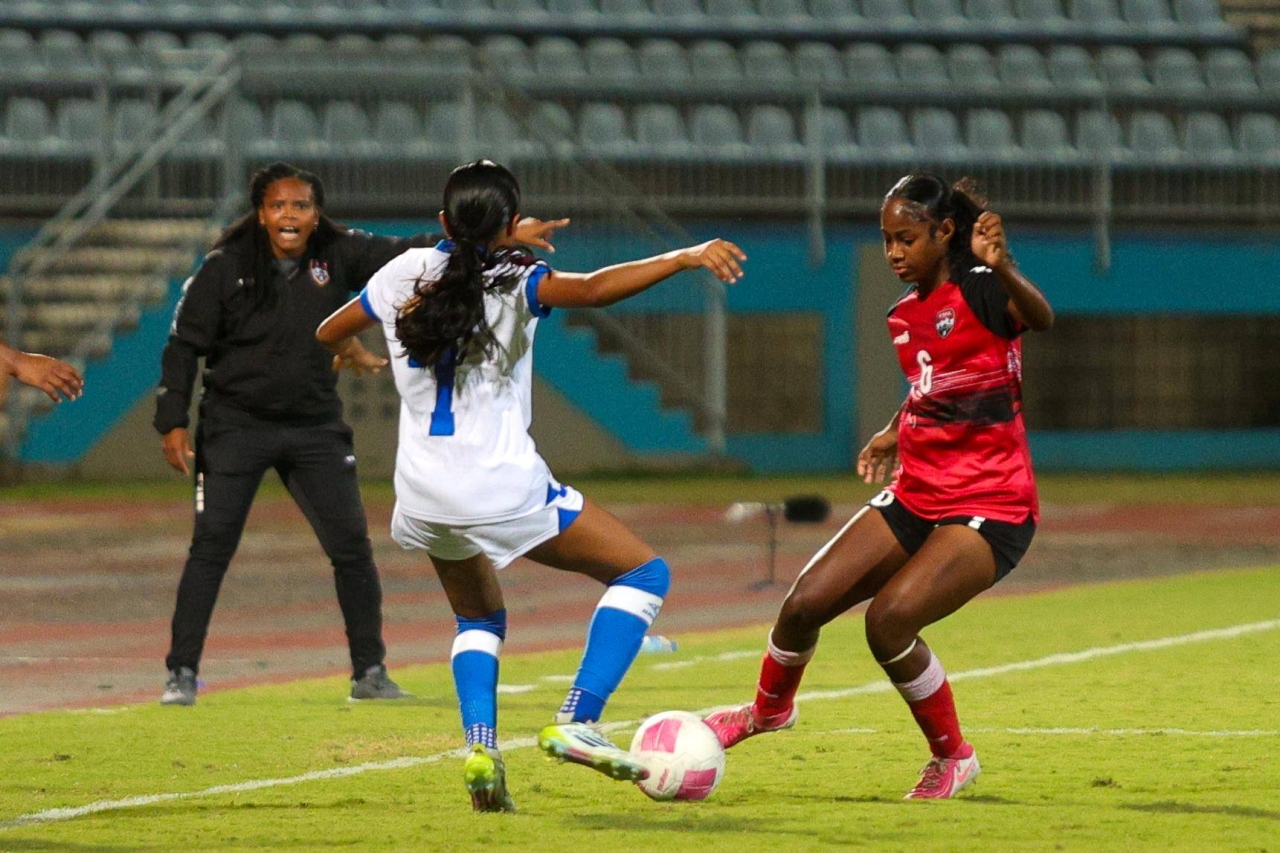
Photo: TTFA Media.
For some girls, that experience can become part of the story they present to universities and coaches abroad.
So when an age group is removed—or simply not catered for—the consequence is much bigger than missing a tournament. A generation of girls may lose a development opportunity at precisely the age when they need it most.
There has been discussion surrounding preparation for Trinidad and Tobago’s Women’s U-20 programme in 2027.
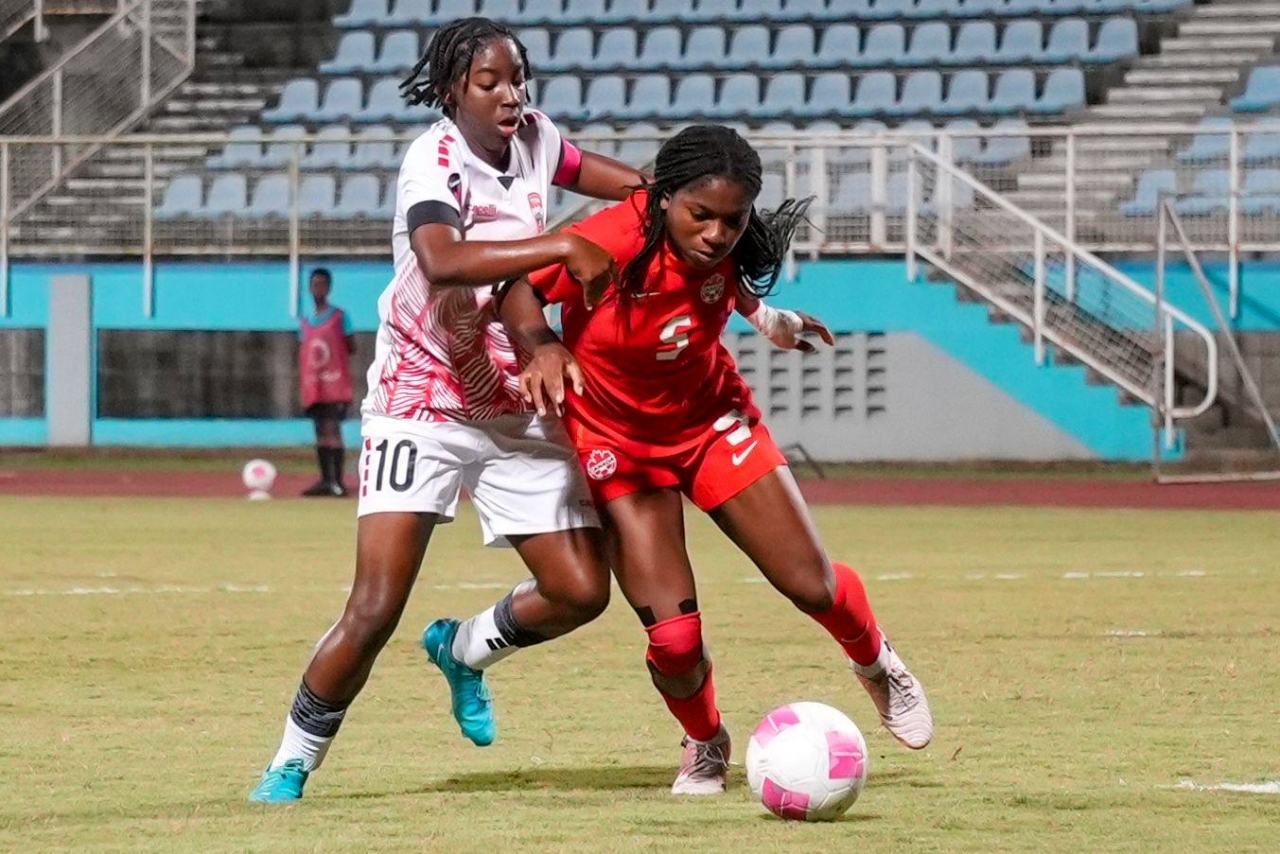
Photo: TTFA Media.
There should be a strong U-20 programme. There should also be a strong U-17 programme. The two should not be competing against each other for existence.
A proper national development structure should provide continuity: U-14, U-15/U-16, U-17, U-20, Senior team. That is a pathway.
If players are being developed at U-14 and U-15 and then have no U-17 programme before reappearing at U-20, what happens to the players who fall into that gap?
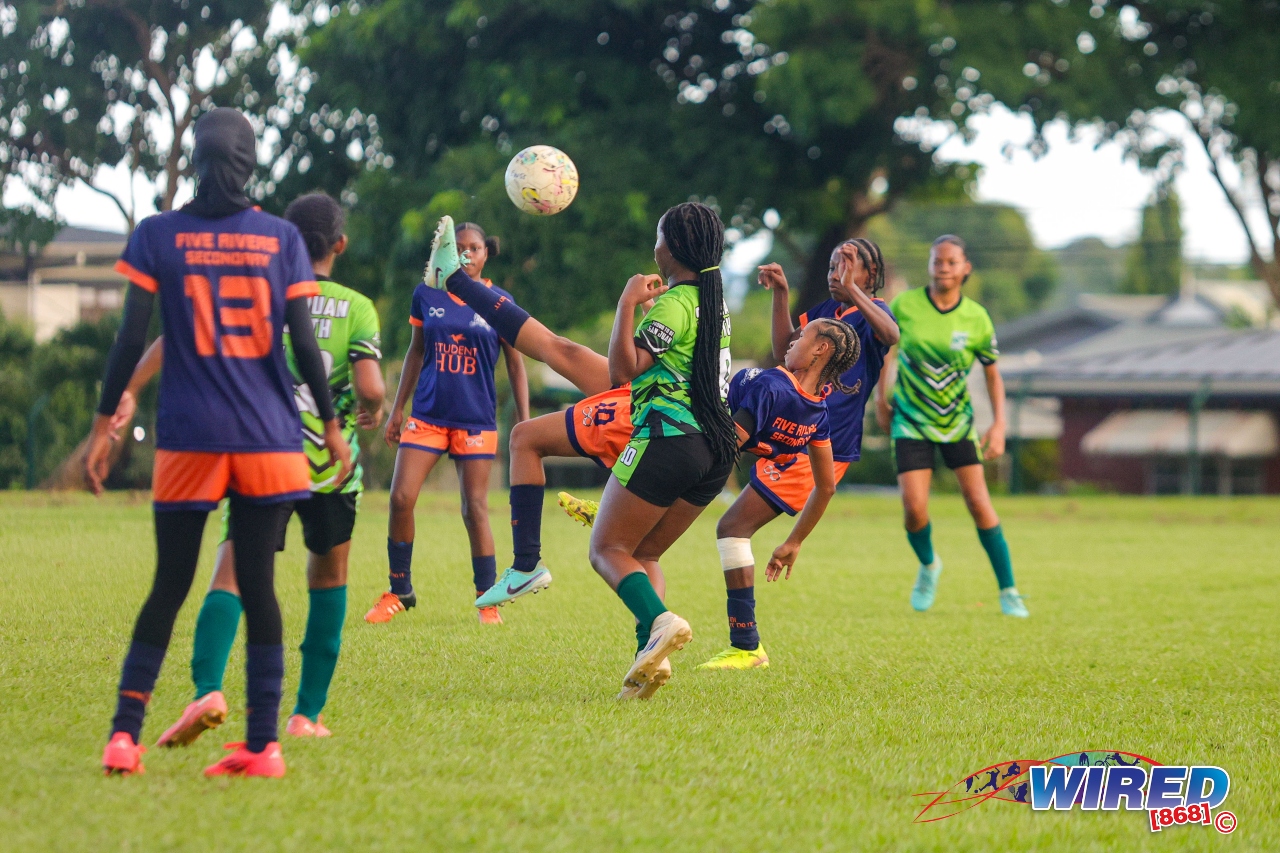
Photo: Nicholas Williams/ Wired868.
Not every 16-year-old will immediately be ready for U-20 football. That does not mean she should have no national team opportunity at all. And the U-20 competition itself is not an annual opportunity.
Young female players have limited windows in which they are age-eligible for international youth competitions. Once those windows close, they do not reopen.
Trinidad and Tobago’s boys have benefited from youth international competition, including participation in the CFU U-14 programme and other Concacaf youth opportunities.
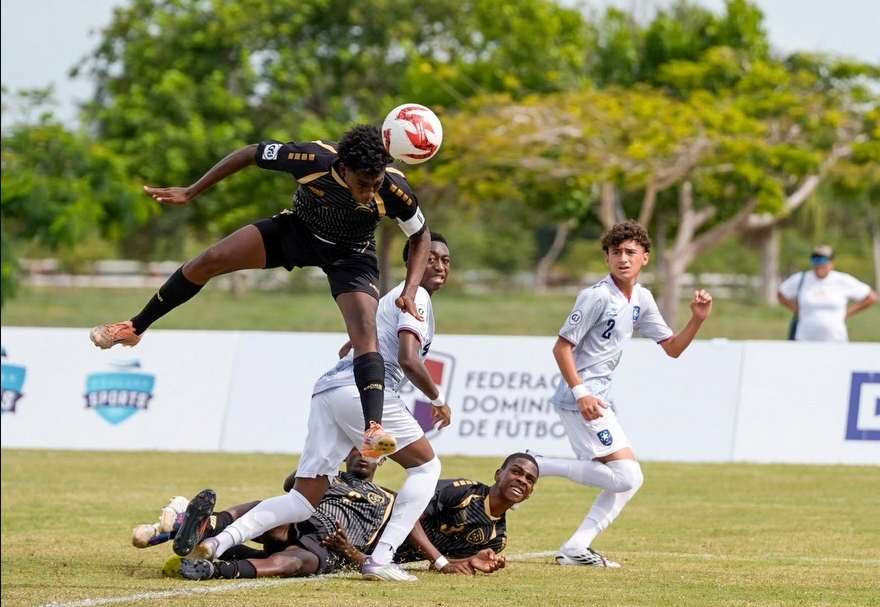
Photo: CFU.
They should. Our boys deserve development opportunities. But so do our girls.
This is not an argument for taking anything away from male players. It is an argument that female footballers should receive the same level of strategic planning and commitment to their development.
If there is a competition available for our girls, if Trinidad and Tobago is eligible to participate, and if there are talented players within the age group, then parents and players deserve to understand why preparation is not visibly underway.
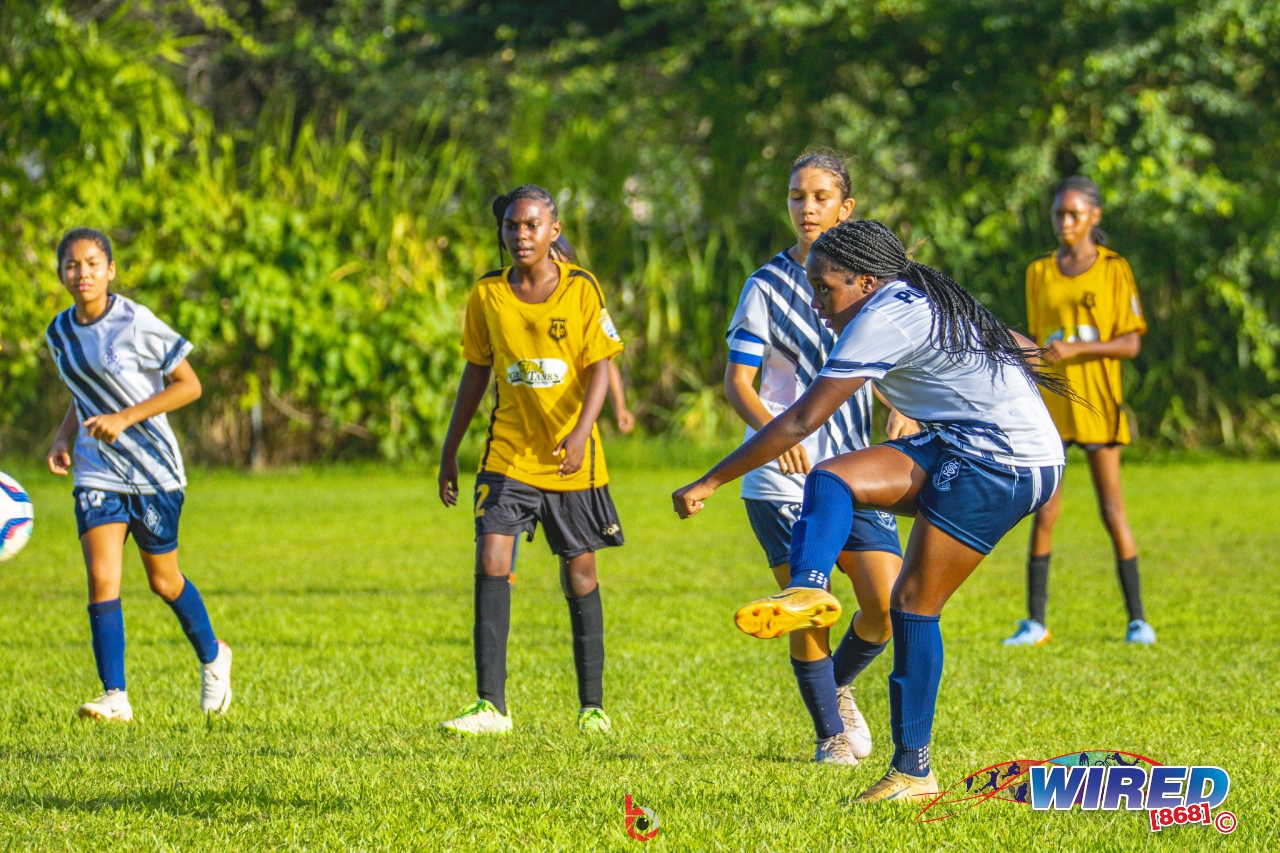
Photo: Dirk Allahar/ bCreative/ Wired868.
Women’s football is growing despite the obstacles.
Spend time around football in Trinidad and Tobago and one thing becomes obvious: more girls want to play.
More clubs are developing female programmes. More young women are appearing in school football. More parents are investing in private coaching, strength and conditioning, technical sessions and opportunities to help their daughters improve.
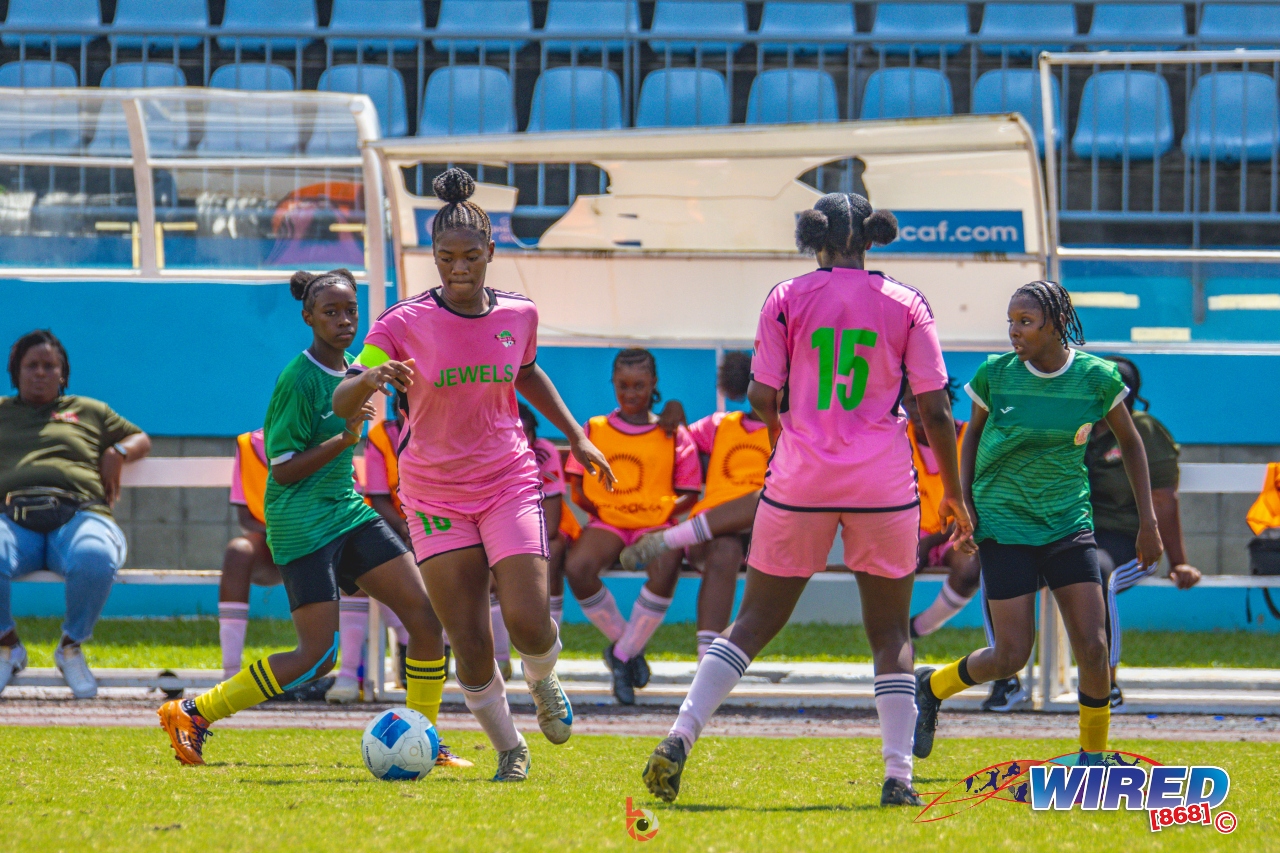
Photo: Dirk Allahar/ BCreative Designs/ Wired868.
Girls are making sacrifices because they believe football can create opportunities for them. Yet the national pathway must exist for that growth to mean something.
We cannot continue encouraging girls to love the sport, work harder and dream of representing Trinidad and Tobago, while simultaneously allowing gaps to remain in the very structure that is supposed to take them forward.
Across world football, Fifa, Concacaf and CFU have increasingly spoken about expanding participation and creating more opportunities for girls.
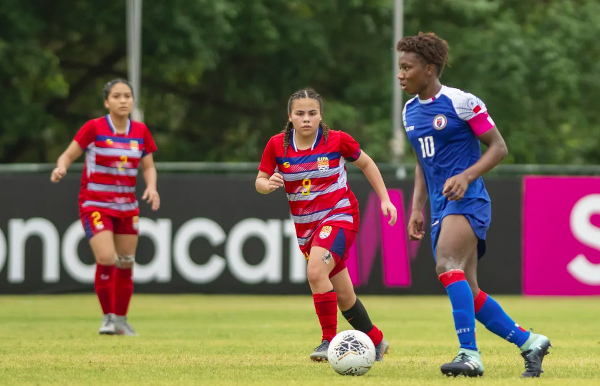
Dumornay scored twice as Haiti won 8-0.
(Copyright MexSport/ Concacaf.)
Trinidad and Tobago should be taking advantage of those opportunities. We should not be searching for reasons to do less.
Who is responsible for women’s football?
This also raises a larger question. Who, within TTFA, is responsible for ensuring that the interests of female footballers are represented throughout every age group?
Who is responsible for ensuring that there is a coherent pathway from grassroots football to youth national teams and ultimately to the senior Women Soca Warriors?

Who is looking at the entire picture rather than individual tournaments?
Because women’s football cannot be developed one tournament at a time. There must be a plan.
A girl should be able to enter the national system at 13 or 14 and see a clear path ahead of her. She should know what comes next. Her parents should know what comes next. Her club coaches should know what comes next.

(via TTFA Media.)
And the pathway should not suddenly disappear when she reaches an age group that happens not to be a priority at that moment.
There are several simple questions TTFA can answer.
Is Trinidad and Tobago entering the February 2027 Concacaf Women’s U-17 Qualifiers? If yes, when will preparation begin? Who is the coaching staff?
When will players be identified? Will all eligible players have an opportunity to be assessed?

Photo: Daniel Prentice/ Wired868.
Will girls outside the current High-Performance Programme have an opportunity to be considered? Will eligible overseas-based players be identified?
And if Trinidad and Tobago is not participating, who made that decision and why?
Was the impact on this generation of young women considered? What alternative international competition will be provided for them? What happens to the girls who are 16 now?
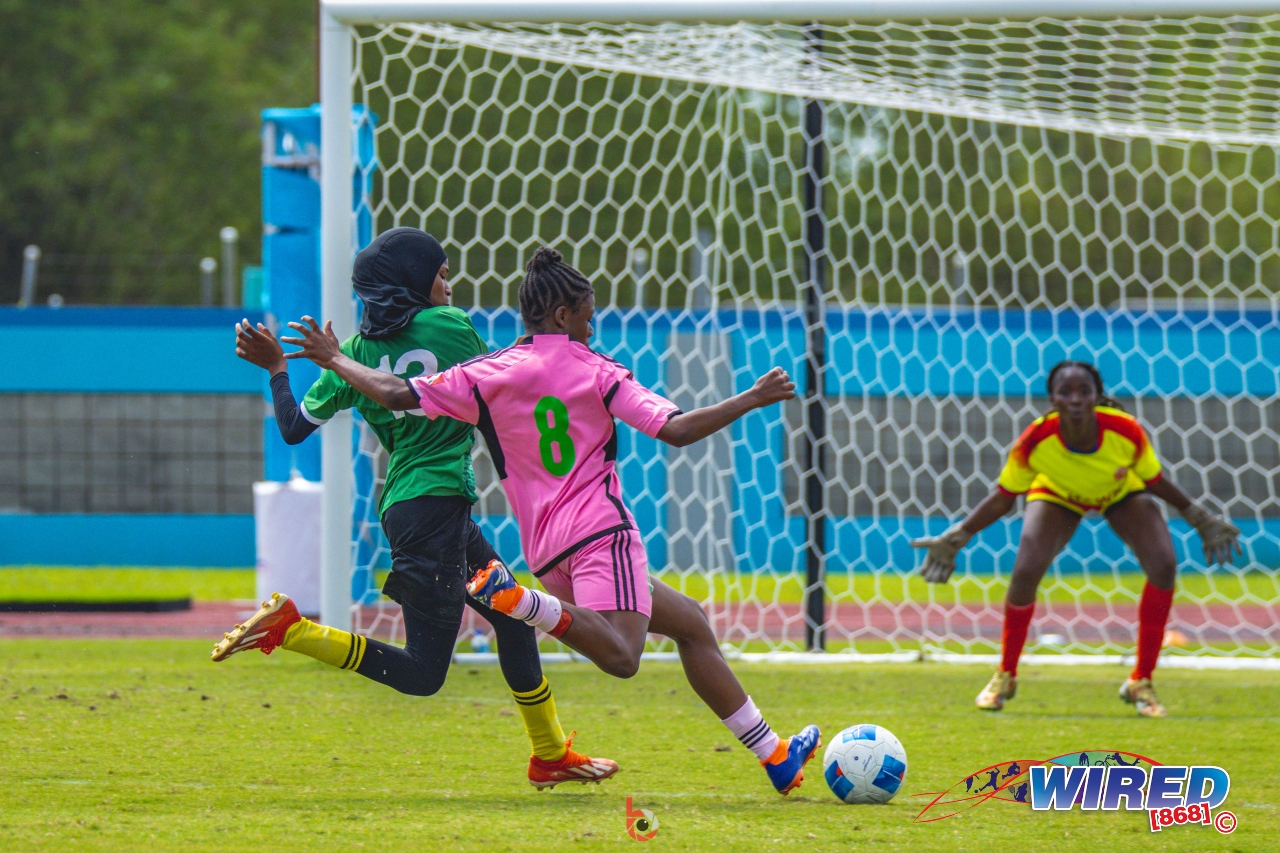
Photo: Dirk Allahar/ BCreative Designs/ Wired868.
These are not unreasonable questions. Parents should not have to depend on rumours. Young players should not have to wonder whether an entire national-team age group has disappeared.
No national team can guarantee qualification for a World Cup. No player can be guaranteed selection. That is sport.
But there is a significant difference between failing to qualify and never being given an opportunity to try.

Photo: Daniel Prentice/ Wired868.
Let the girls compete for places. Let them train. Let them earn selection. Let them play international football. Let them gain experience. Let them build footage.
Let them represent their country. Let them lose, learn, improve and come back stronger.
What should not happen is for their opportunity to disappear before they have even been allowed onto the field.
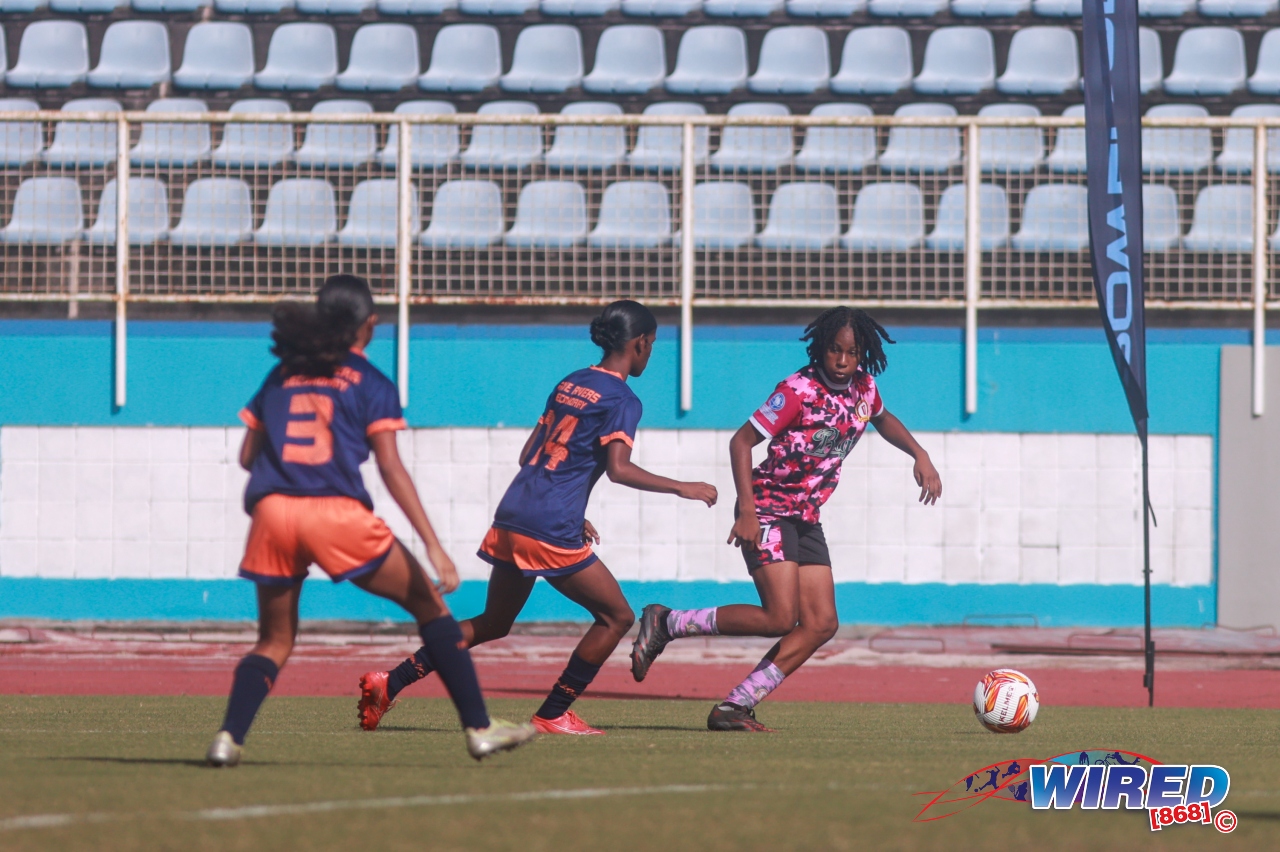
Photo: Nicholas Bhajan/ Wired868.
A 16-year-old footballer will never get her U-17 years again. For players with university ambitions, football ambitions and dreams of representing Trinidad and Tobago, that matters.
February 2027 is approaching. Other countries will be preparing. Their players will be training. Their coaches will be identifying squads. Their federations will be making plans.
Our girls deserve to know whether Trinidad and Tobago intends to stand alongside them. This is therefore not simply criticism. It is a call for transparency and accountability.
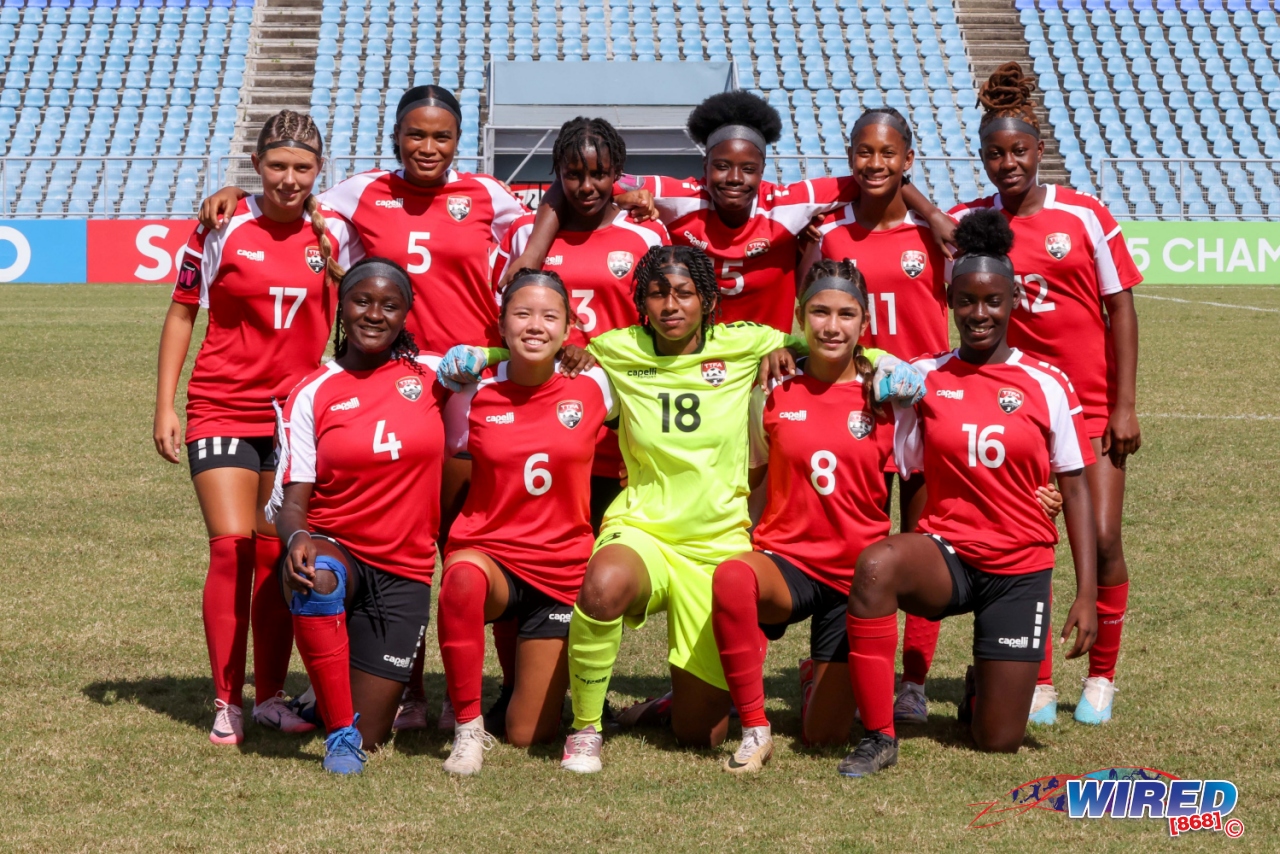
Photo: Daniel Prentice/ Wired868.
Tell the players what the plan is. Tell the parents what the plan is. Tell the clubs what the plan is. Tell the country what the plan is.
Because if Trinidad and Tobago is eligible to participate in the 2027 Concacaf Women’s U-17 Qualifiers, there should be a clear explanation for why our young women are not visibly preparing for that opportunity.
The growth of women’s football cannot exist only in speeches and development slogans.
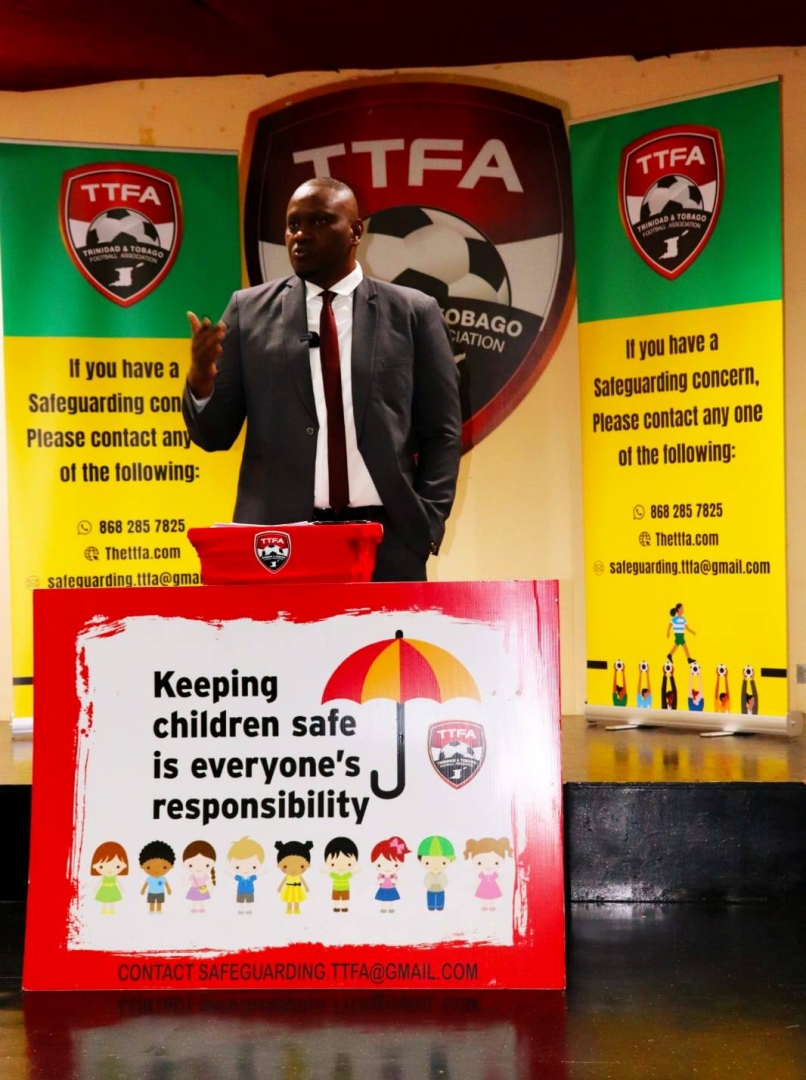
(via TTFA Media.)
It has to be reflected in programmes. It has to be reflected in investment. It has to be reflected in competition.
And it has to be reflected in opportunities for every generation of girls coming through the system.
So, TTFA, the question remains:
Are we preparing a Women’s U-17 national team for February 2027? And if we are not—why not?

Photo: Daniel Prentice/ Wired868.
Editor’s Note: The Trinidad and Tobago Football Association (TTFA) is led by president Kieron Edwards, while his wife, Letitia Mora, is president of the Women’s League Football (WoLF).
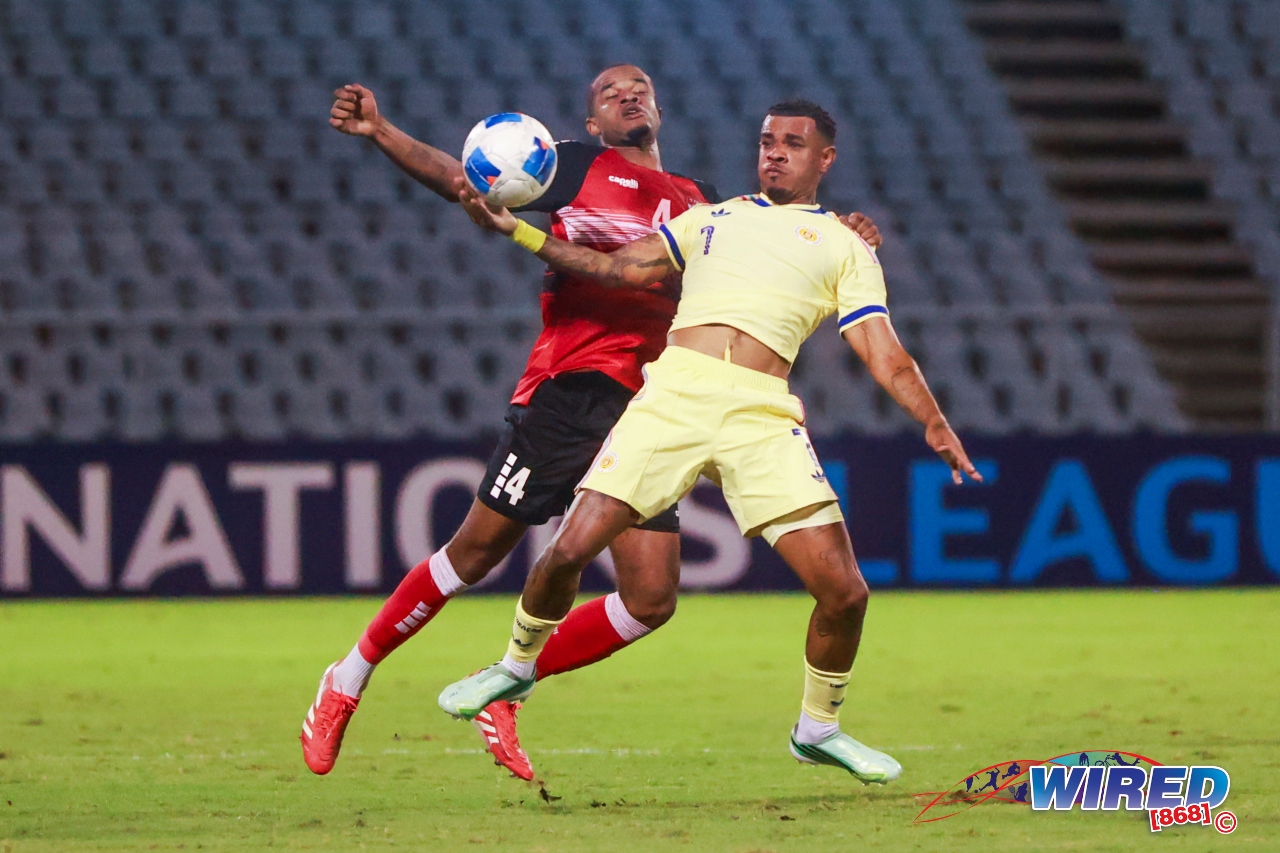
“[…] A new coach may bring fresh ideas, different tactics, and renewed motivation—but if the underlying problems remain, how much Read more
“[…] Mr St Gary Rose speaks extensively about what complainants are not entitled to demand. Yet he provides considerably less Read more

“[…] Our responsibility is not to respond to the loudest voice, but to protect every child according to their individual Read more
“[…] In April 2025, Wired868 reported that TTFA safeguarding manager Gary St Rose said his department had handled 561 reported Read more
“[…] There are also concerns about statements reportedly made to players and/or during discussions with members of the football community, Read more
“[…] The safeguarding process belongs to the protection of the child and the proper management of risk—it does not belong Read more

Want to share your thoughts with Wired868? Email us at editor@wired868.com.
Please keep your letter between 300 to 600 words and be sure to read it over first for typos and punctuation.
We don’t publish anonymously unless there is a good reason, such as an obvious threat of harassment or job loss.