 Wired868 Wired868 for smart sport news and opinion
There have been recent announcements that will disrupt the output of the Carnival sector and its interconnected networks of employment and economic diversification.
Additionally, another recent round of terminations of state enterprise steelband sponsorships will disrupt music education, youth and community development.
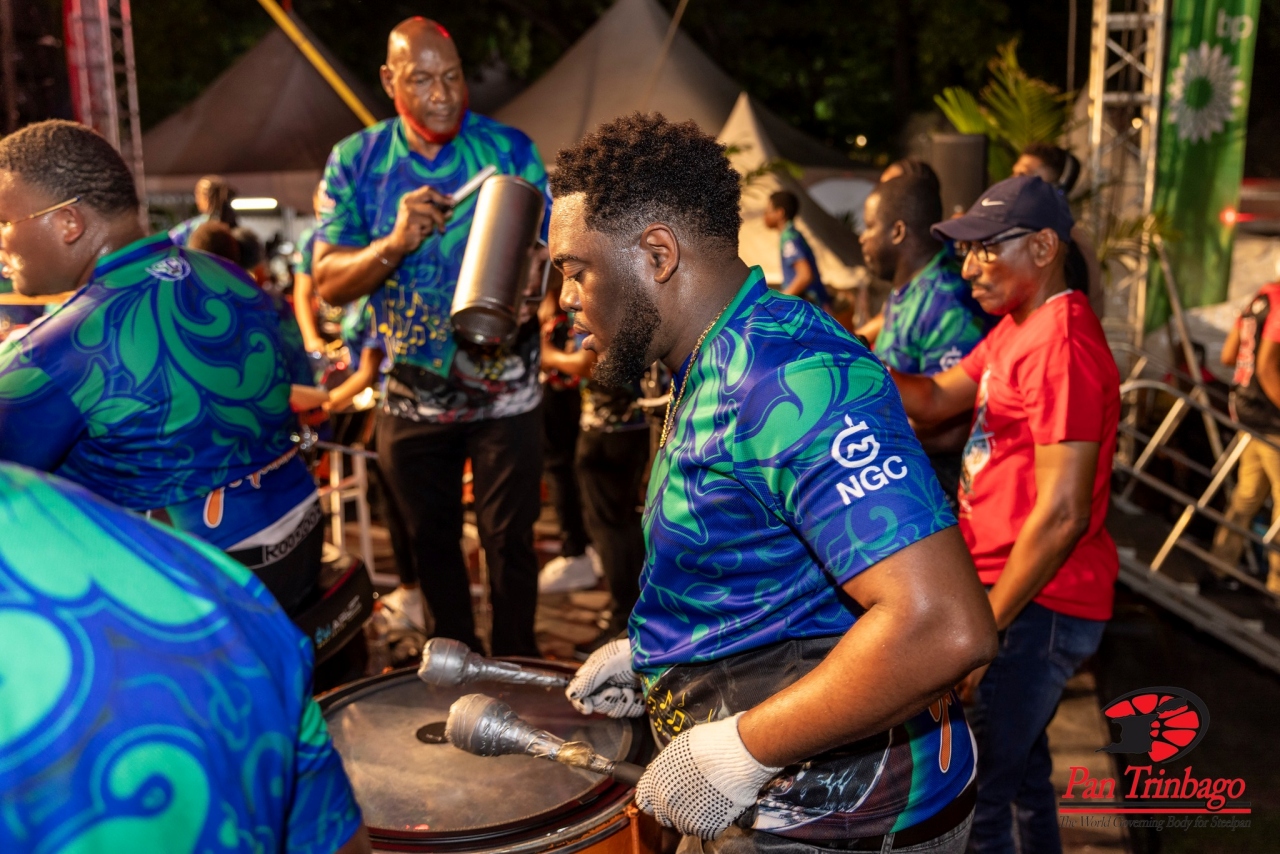
Photo: Pan Trinbago.
The Prime Minister has declared prohibitions on the use of three major sporting facilities for fetes, which traditionally at those venues have attracted party goers in the thousands.
These facilities are the Brian Lara Academy in Tarouba, in south Trinidad, the Hasely Crawford National Stadium and the Jean Pierre Sporting Complex—both located on the immediate outskirts of Woodbrook, Port of Spain.
Persistent public discomfort, as a result of the rising volume generated by the sound systems deployed at the fetes, was the major catalyst for the Prime Minister’s announcements.

Battle lines were immediately drawn between residents affected by the noise and the fete promoters. High-pitched screams emanated from certain fete promoters about the “death of Carnival culture”, without much acknowledgement of the needs of residents for sleep and other aspects of the enjoyment of residential property—largely brushed aside for over two decades.
These screams are, in my view, excessive and are illustrative of the indifference of some promoters to legitimate complaints about noise pollution.
I would also remind readers of my descriptions in these columns of the sadly declining interest among a broad swathe of citizens in what Carnival has become and, consequently, tolerance of some of its activities.

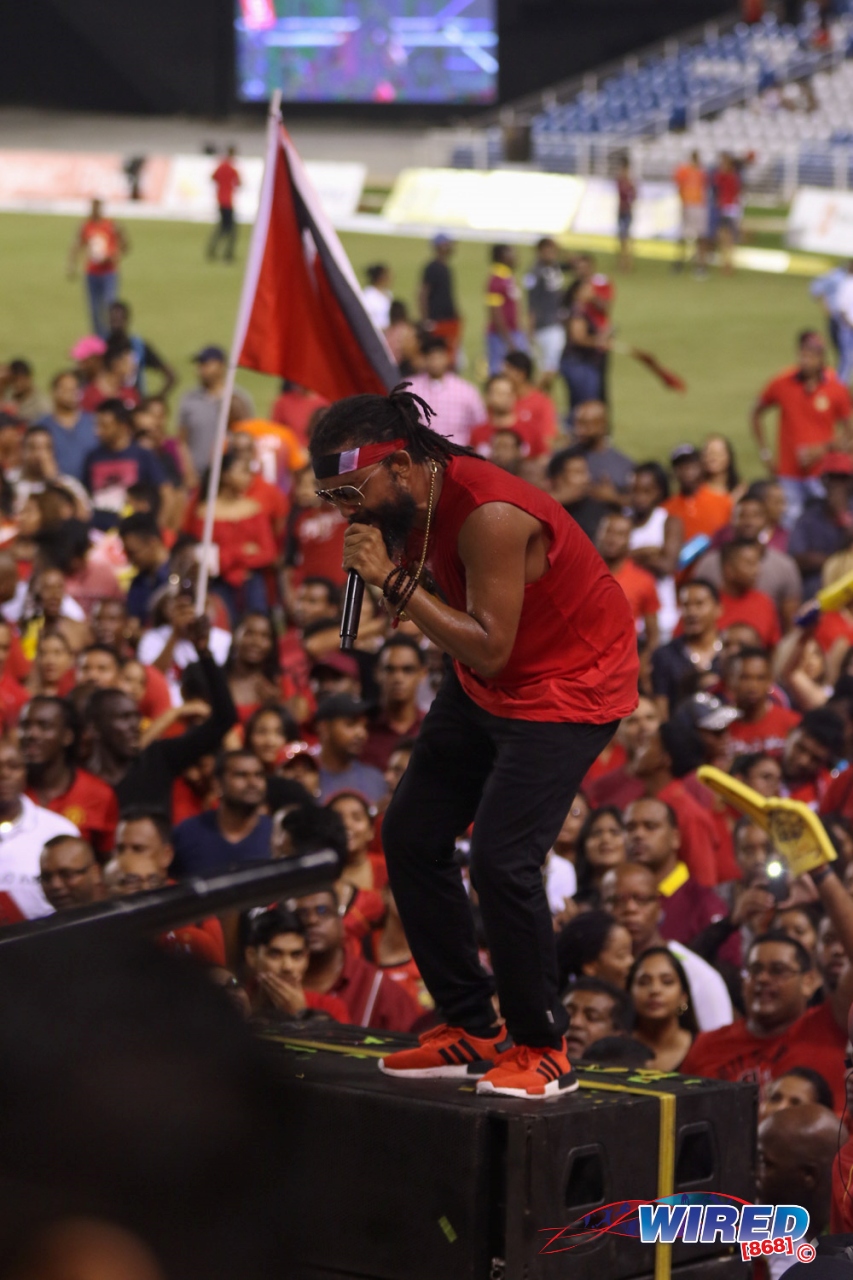
(Copyright Sean Morrison/ Wired868.)
It must be emphasised that the prohibitions announced are not a full ban on the use of the three venues. They make an exception to permit the use of the venues for events taking place from the Thursday before Carnival Monday and Tuesday until the Saturday after and may begin no earlier than 12 noon and must end promptly at 10pm.
They of course represent a curtailment of Carnival season activities at the venues, acknowledging as one must, that the first quarter of every year constitutes the Carnival season and that the influx of Carnival visitors from abroad starts earlier than the Thursday before Carnival weekend.
These prohibitions will also affect certain fetes outside the Carnival season.
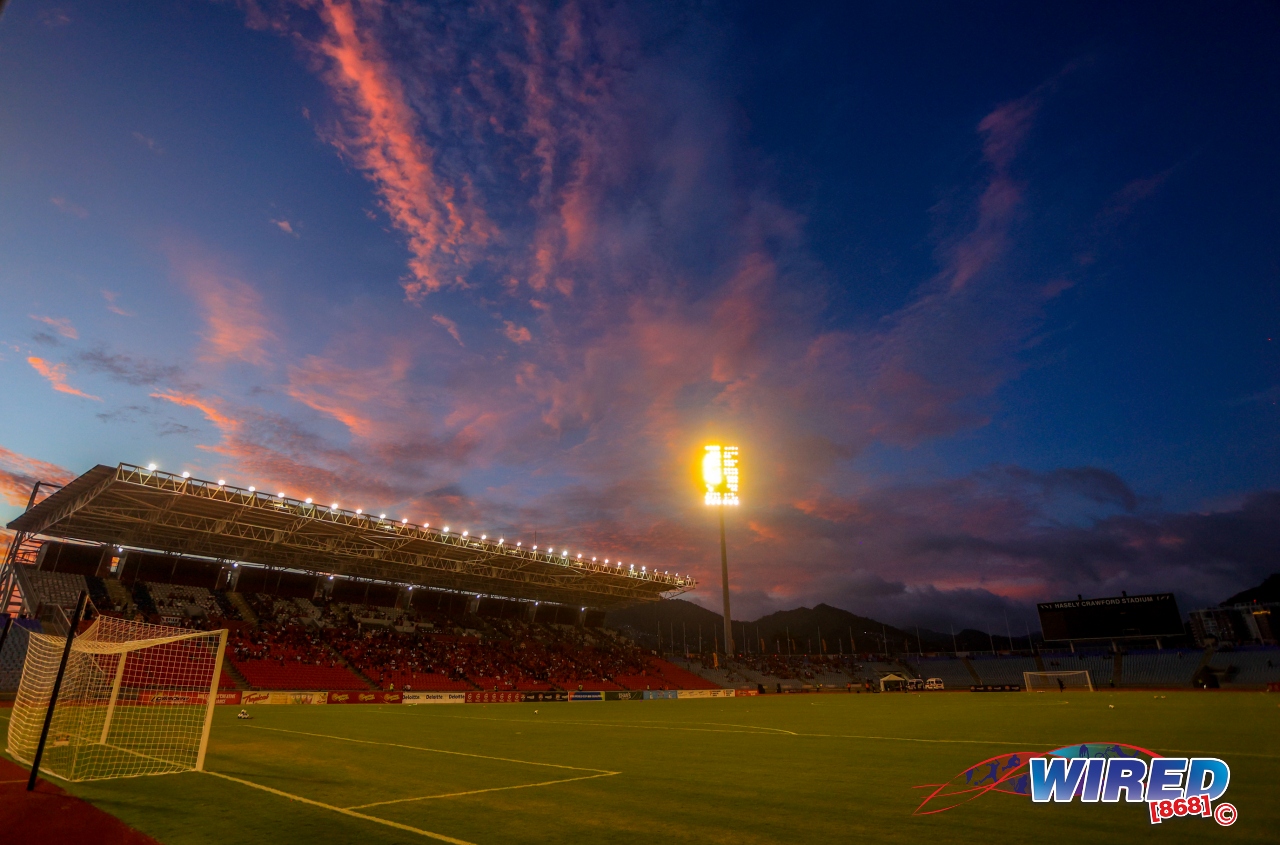
Photo: Nicholas Bhajan/ Wired868.
In the absence of self-regulation by the promoters it is difficult to protest these restrictions, particularly as the promoters are free to pivot to other venues, using creative imagination and some empathy.
The positive statements of Jules Sobion of Caesar’s Army regarding the need to find a balance in making residents affected by noise pollution happy while Carnival continues to thrive are encouraging. (See Newsday 19 November 2025.)
In connection with timelines for the finish of an event, may I remind readers of my observations while attending pan events in the borough of Brooklyn, New York. These are relevant because the use of the Brooklyn Museum grounds is part of a delicate relationship between the West Indian American Day Carnival Association (WICADA) with both the Museum authorities and those of the borough of Brooklyn.

(via Afropop.org.)
There is continuous pressure from those Brooklyn residents not in love with Caribbean Carnival culture to constrain its events.
Panorama in Brooklyn Museum grounds must finish at 1am and concerts on the roof top of the separate venue of the Children’s Museum must end at 10pm. Breaches of event timelines are sometimes promptly reported to the police who are likely to show up to end the event.
Vendors, I was told, are also required to extinguish flames, like barbecue pits, one hour before the close of an open-air event as a prelude to patrons leaving at the closing time.
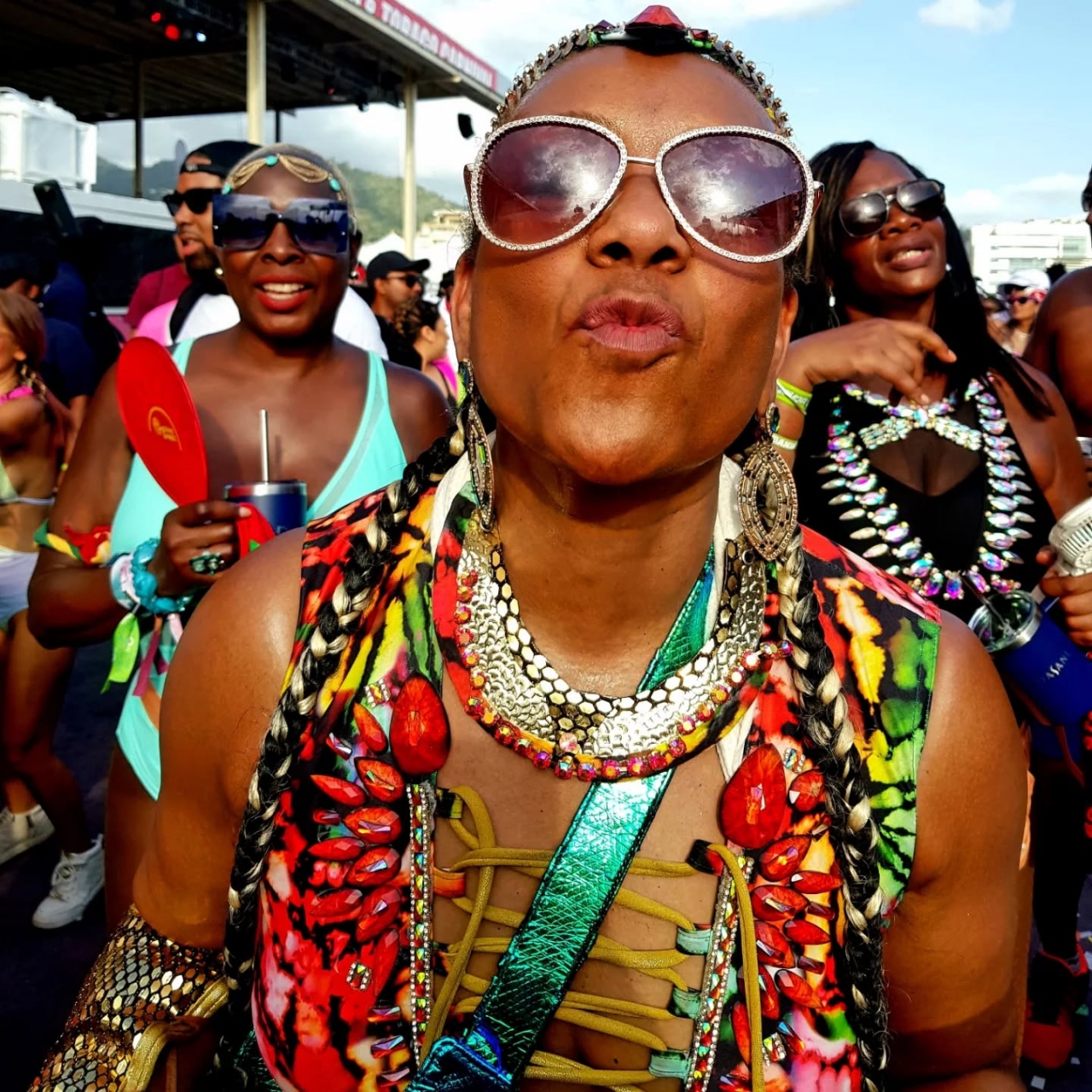
(Copyright NCC.)
In Trinidad and Tobago, the home ground of Carnival, we do not have the same inherent ill-feeling as in some parts of Brooklyn towards the festival. Nevertheless, as amplified music volume has grown, reasonable arrangements to meet the concerns of residents are required. Such arrangements will avoid pile-on tension as well as pressure for further government-imposed restraints.
It may be useful next to re-examine the place of Carnival and steelpan in the diversification of the economy and the perennial issues of music education, youth and community development, some policy considerations and the political undercurrents of performing arts disruptions.

This week I am returning to the recent Court of Appeal declaration that it was a breach of the constitutional Read more

“[…] Despite Trinbagonians having one of the highest tertiary and post-graduate levels of education and international travel, our leaders believe Read more

Miriam Castellano, the name by which a prolific social media commentator goes, responded to a column I had written on Read more

Perhaps the most surprising element of the general elections was the low voter turnout. According to the latest figures from Read more

In 1976, Elton John penned these words: “What’ve I gotta do to make you love me?/ What’ve I gotta do Read more

The report of the investigating team of the Pan American Health Organisation (PAHO) into the death in April this year Read more
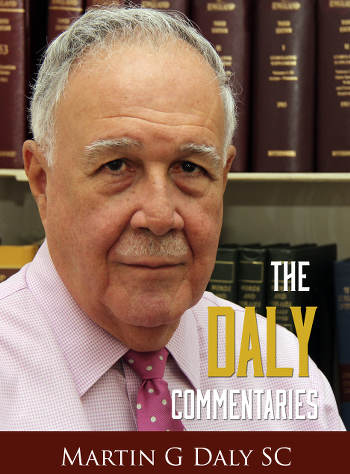
Martin G Daly SC is a prominent attorney-at-law. He is a former Independent Senator and past president of the Law Association of Trinidad and Tobago.
He is chairman of the Pat Bishop Foundation and a steelpan music enthusiast.