 Wired868 Wired868 for smart sport news and opinion
“[…] Fans deserve accurate information, but should not be invited to conduct a public trial of a referee after every close decision. A modest end-of-season match integrity report could improve confidence without pretending that every judgment can be reversed.
“The Secondary Schools Football League could publish a standard explanation of how incidents are recorded, what may be appealed, which deadlines apply, and who makes a final determination. A transparent procedure is more useful than a series of informal arguments when emotions are high…”
The following Letter to the Editor, which calls for greater transparency from the Secondary Schools Football League (SSFL) in addressing disputes, was submitted to Wired868 by Douglas Vandergraph:
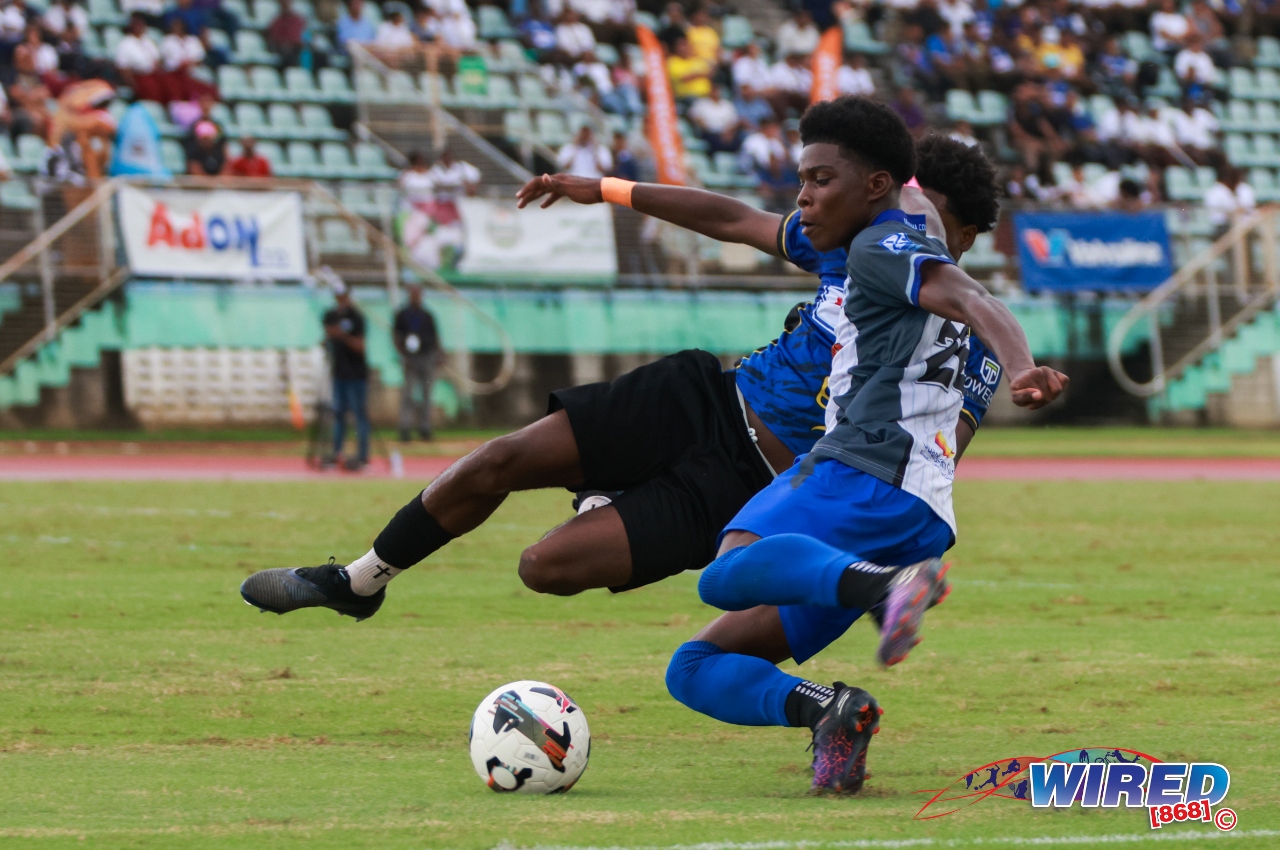
Photo: Nicholas Bhajan/ Wired868.
A school football season can end with a deserved celebration and still leave questions that are worth answering. Trinidad and Tobago’s Intercol competition has produced memorable results this month. It should also produce a clear, consistent record of what happens when a disputed decision, injury or interruption changes the course of a match.

Wired868 reported on November 24 that Naparima College claimed the South Zone Intercol title and St Anthony’s College advanced past Fatima College in North Zone action. Earlier reporting described an abandoned Big Five fixture following a controversial late penalty, while another match had to be rescheduled because flights for a Tobago school were unavailable.
These are different circumstances and should not be collapsed into a claim that every school competition is poorly administered. What they show is how many responsibilities sit alongside the football itself.
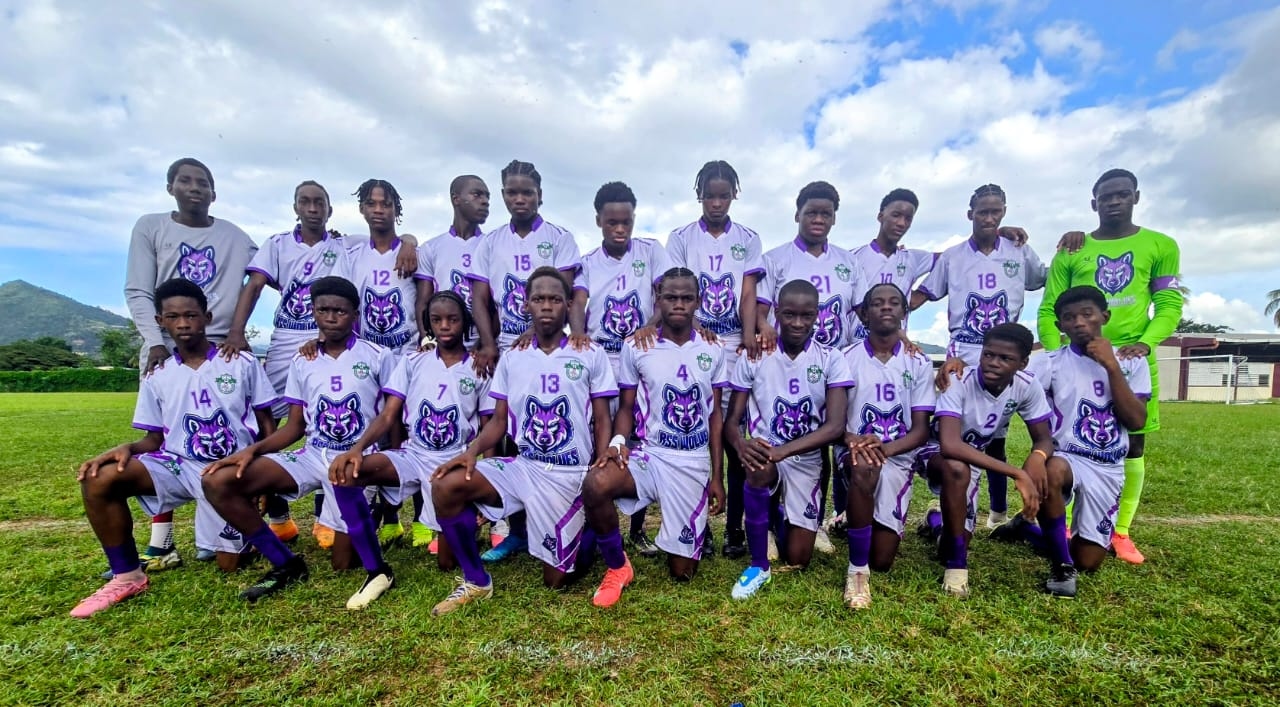
However, they lost their second Big Five match by default, after failing to secure tickets to Trinidad for a game against Presentation College (Chaguanas).
(via Roxborough Secondary.)
Referees must make difficult decisions quickly. Schools must look after young players, travel safely and meet academic obligations. Organisers must manage fixtures and protests without appearing to favour a particular school.
Fans deserve accurate information, but should not be invited to conduct a public trial of a referee after every close decision.

A modest end-of-season match integrity report could improve confidence without pretending that every judgment can be reversed. The Secondary Schools Football League could publish a standard explanation of how incidents are recorded, what may be appealed, which deadlines apply, and who makes a final determination.
A transparent procedure is more useful than a series of informal arguments when emotions are high.
Match reports could include confirmed facts such as the final score, substitutions, disciplinary decisions, recorded interruptions and the official reason for any abandonment or rescheduling.
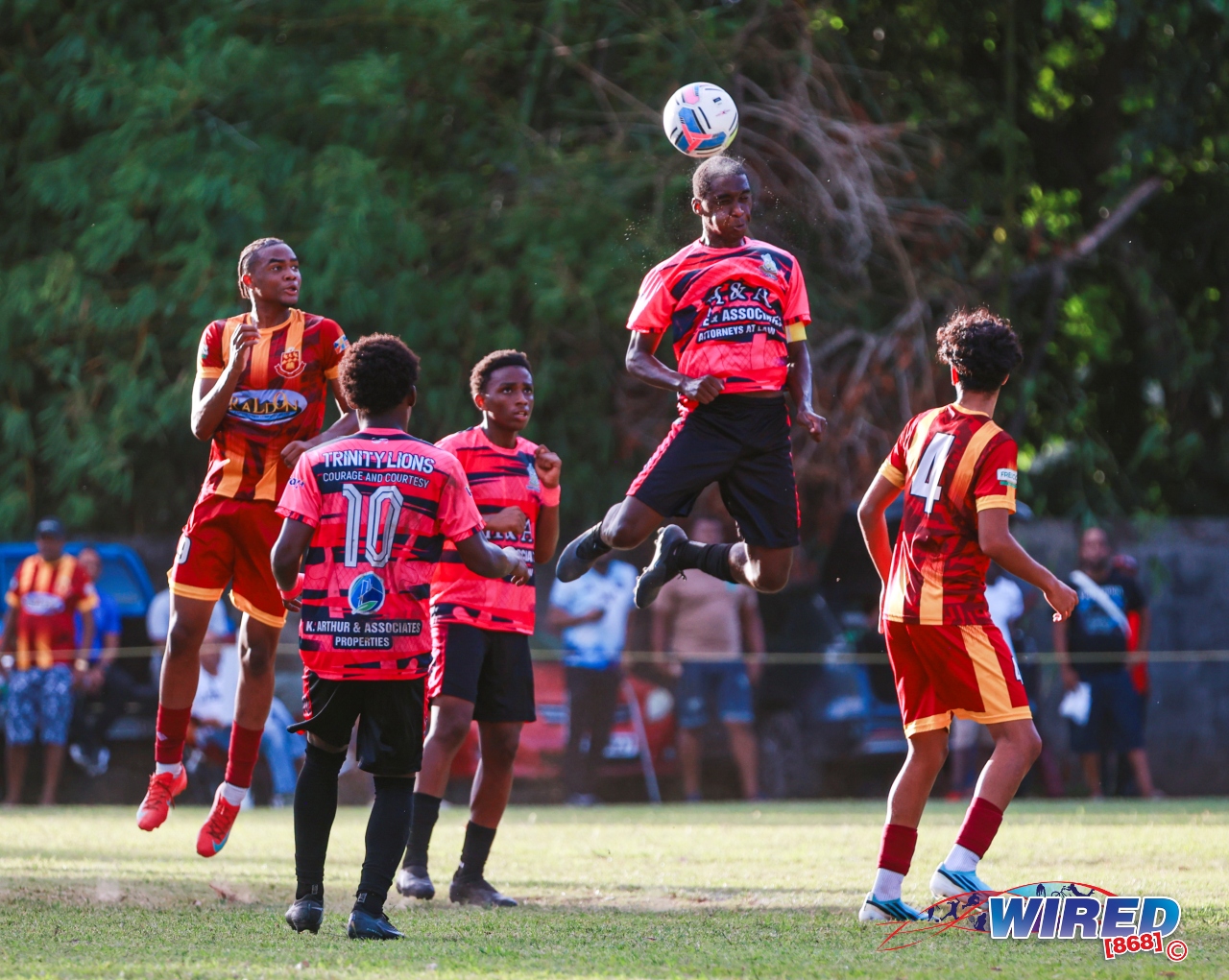
Trinity Moka have appealed a SSFL decision to award Signal Hill Secondary three points and three goals for their scheduled contest, for “insufficient field markings” at the Moka ground.
Photo: Nicholas Bhajan/ Wired868.
When a disputed call is reviewed under the competition rules, organisers could explain the procedure and outcome without publishing personal allegations against teenage players or volunteer officials.
If the rules do not permit a review, that too can be made clear.
The process should also protect referees. Developing officials need coaching, assessment and a safe route to acknowledge errors. They do not need their photographs circulated with abusive accusations.
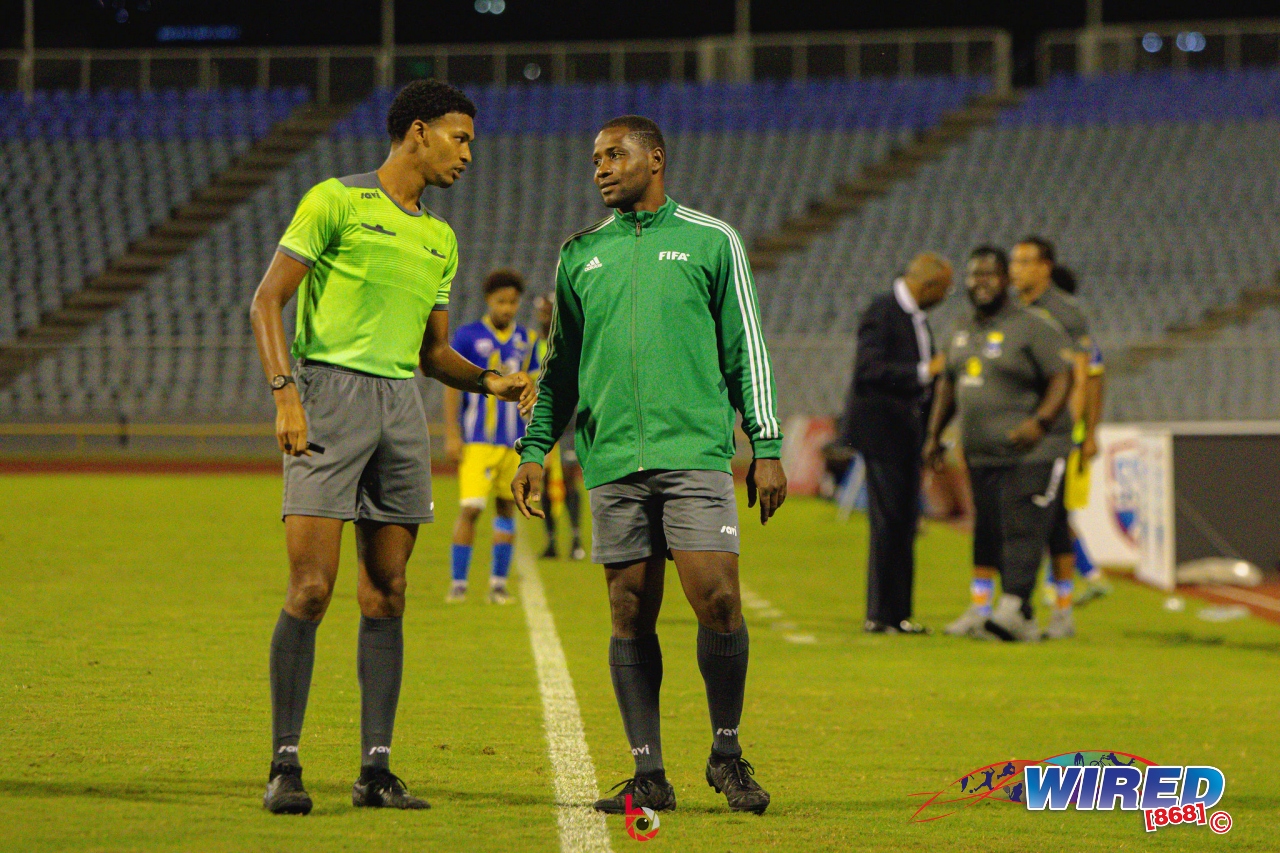
Photo: Dirk Allahar/ bcreative/ Wired868.
Criticism of a decision is legitimate, harassment of the person who made it is not. A league that expects referees to be accountable should be equally committed to their training and physical safety.
Travelling school teams raise a different kind of fairness question. No organiser can control the weather or guarantee an aircraft seat. But scheduling policies can specify the evidence needed for travel disruption, reasonable notice periods and the conditions for a rescheduled match.
Every team should know the rule before it needs the exception. That is especially important in a national competition involving Trinidad and Tobago’s distinct travel realities.
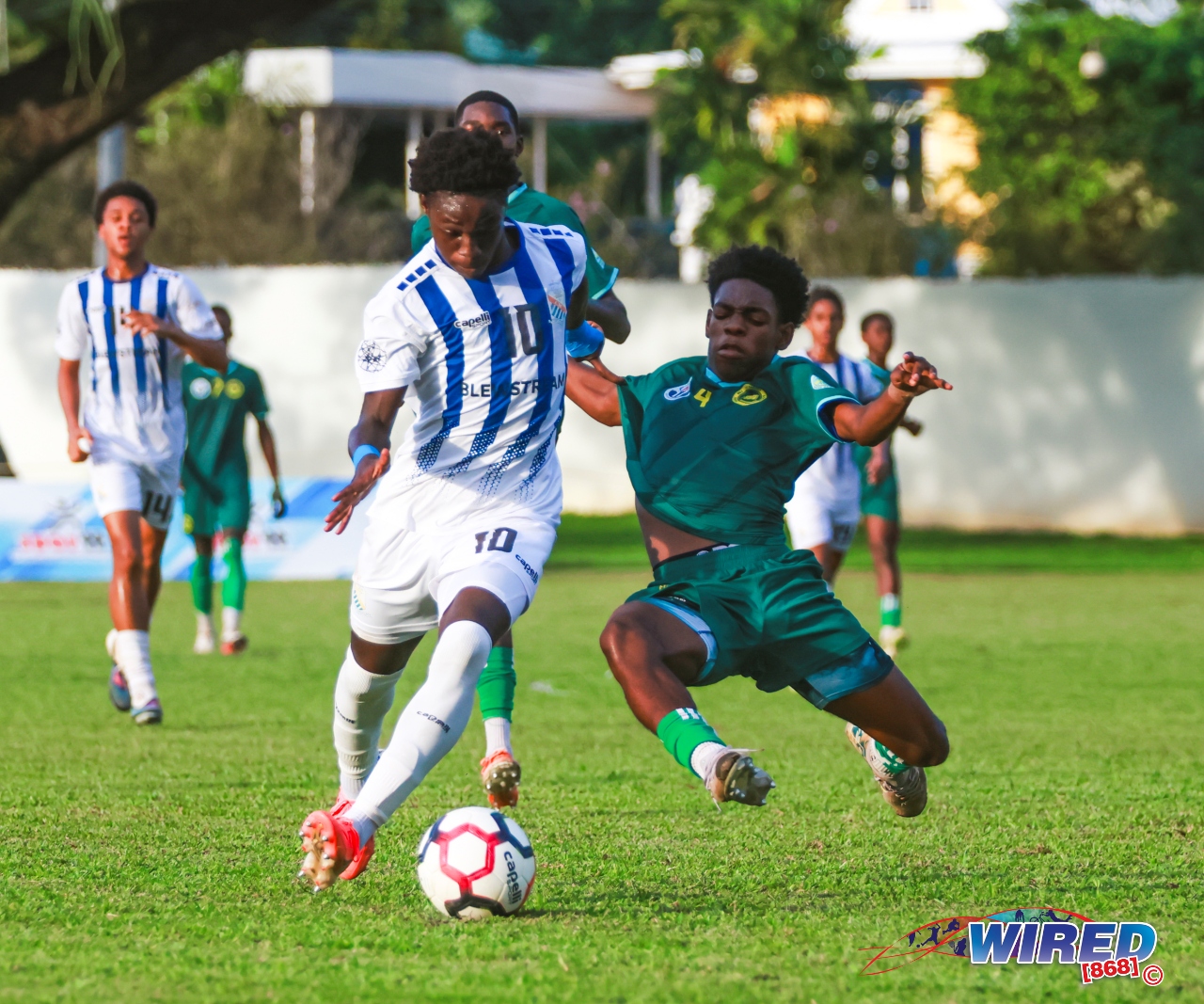
Photo: Nicholas Bhajan/ Wired868.
Good school sport is about more than producing professional footballers. It teaches young people how to prepare, compete and recover after defeat. An adult response to a contested result becomes part of that education.
If adults show that accusations matter more than evidence and that every loss must have a villain, players may learn the wrong lesson from a beautiful game.
Jesus told his followers to attend to the log in their own eye before condemning the speck in another’s. In a school competition, the lesson can be translated without preaching at anybody: examine the facts and one’s own conduct before publicly blaming another person.
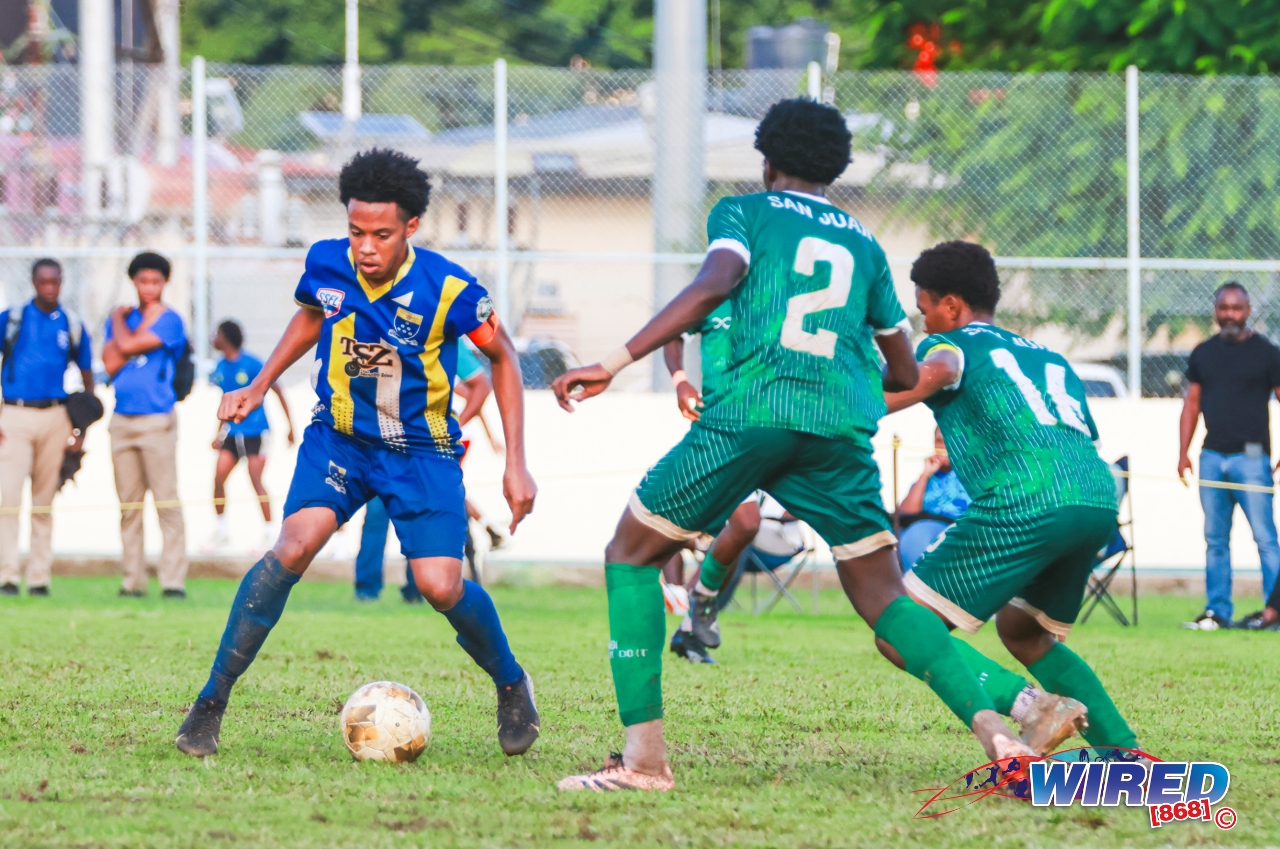
Photo: Nicholas Bhajan/ Wired868.
Accountability should be firm and fair, especially when children are watching.
Congratulate Naparima, St Anthony’s, St Mary’s College and every school that gave its best this season. Then give players, teachers, referees and parents a more useful legacy: a trusted, understandable process that survives the final whistle.
Editorial background links (not part of the article):
https://wired868.com/2026/11/24/intercol-26-naps-snatch-south-title-despite-absence-of-clement-and-caprietta-st-anthonys-ko-fatima/
https://wired868.com/2026/11/11/big-five-el-do-west-abandon-game-after-controversial-late-penalty-in-roxborough/
https://wired868.com/2026/11/12/ssfl-26-final-premiership-round-moved-from-friday-13th-to-saturday-as-fans-brace-for-emotional-closing-day/
https://wired868.com/contact-us/
East Mucurapo Secondary, Presentation College (Chaguanas) and Roxborough Secondary will join the Secondary Schools Football League (SSFL) Premiership Division in Read more

St Mary’s College picked up their first top flight trophy in nine years today, as they edged St Anthony’s College Read more

“[…] Over the past year, we have witnessed considerable activity and opportunities within the boys’ national programmes. The U17 boys Read more

“[…] My relationship with my teammates [at St Mary’s College] is very strong, especially with the ones in my form Read more
Signal Hill Secondary completed the Tobago Intercol double for the second successive season today, but they were pushed hard by Read more
Roxborough Secondary’s first loss of the 2026 Big Five competition came yesterday morning, via the Secondary Schools Football League (SSFL) Read more

Want to share your thoughts with Wired868? Email us at editor@wired868.com.
Please keep your letter between 300 to 600 words and be sure to read it over first for typos and punctuation.
We don’t publish anonymously unless there is a good reason, such as an obvious threat of harassment or job loss.