 Wired868 Wired868 for smart sport news and opinion
We’re on the brink of losing many things that have shaped us. Makes me wonder what we would select to put into a time capsule for the future.
Memories can be brittle. We would need physical reminders in the future to imagine the world left behind.

As we enter the season that involves a wide variety of activities, I want to focus on the business of house cleaning. It’s a time when cupboards and shelving get dusted, and items that finally seem useless get tossed. Things that have been lying around because they belonged to our ageing or departed elders feel like they are just occupying valuable space.
I’d like to encourage people to see those things, those mementoes and photographs of times past, as perhaps a valuable part of our history. If you look at some of the images that people post online, you know they exist in almost every household.
I was thinking of the way Cyril Merry, secretary of the West Indies Cricket Board of Control during the 1950s, had carefully maintained the records of that time.
His son, Charles, now in his late eighties, had discovered them one day and had kept them intact in a cardboard box, which he shared with me when I was researching the life and times of Sir Frank Worrell.
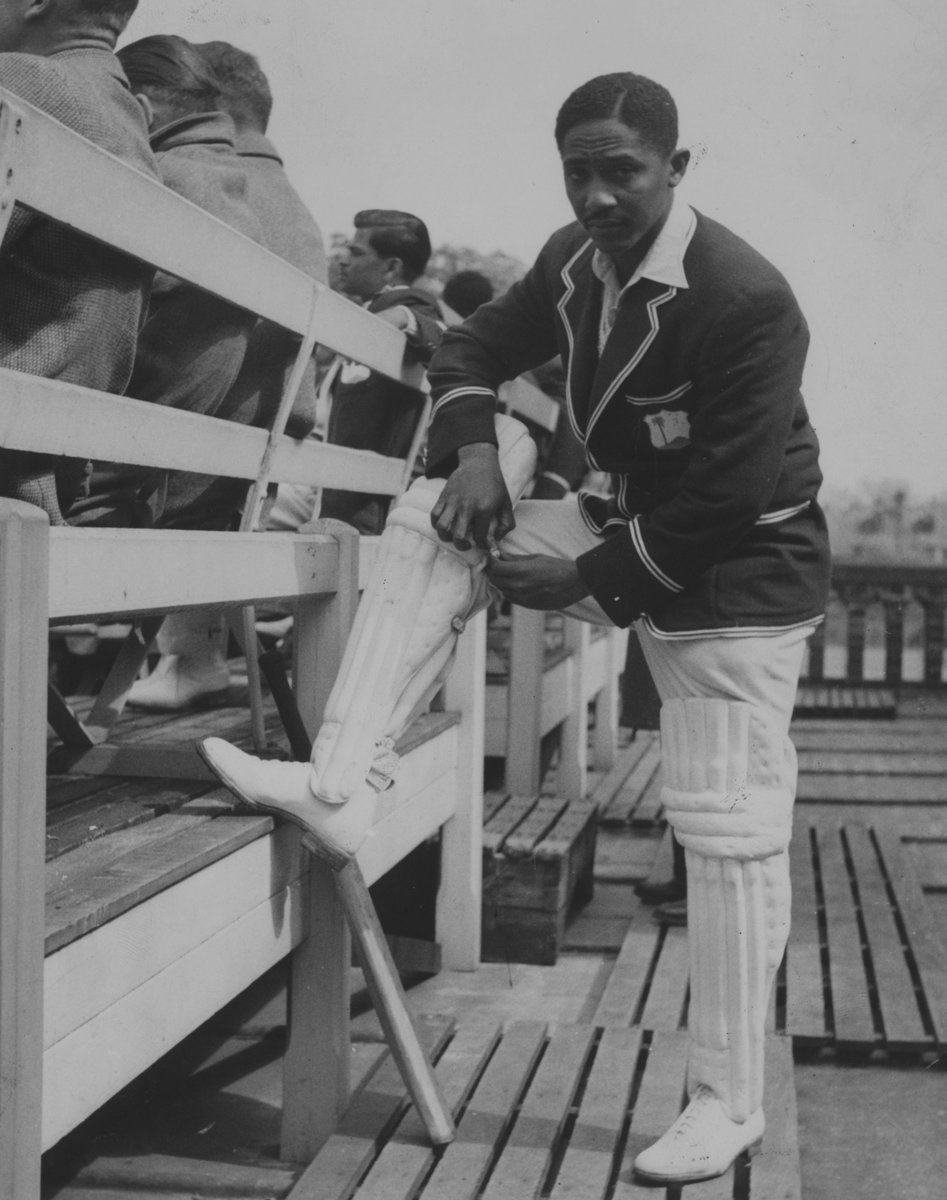
He could have easily thrown them out, but he didn’t. In fact, they have now been shared with the National Library (NALIS), where they will be digitised and made available to the public.
Our penchant for discarding things as if they are disposable carnival costumes has left us bereft of important documents that tell our stories.

About 21 years ago, when the ICC’s Cricket World Cup was scheduled to be hosted by the West Indies in 2007, I was asked to be a member of the board constituted to manage it. The late Rawle Brancker was the chair, and Chris Dehring, the CEO.

(via Son of Grace.)
I had never sat on a board before, and it was a huge undertaking for the region. Being the only woman included, I was determined to add value.
Meetings were conducted throughout the territories expected to provide venues for the tournament. Everywhere we went, there were opportunities to interact with the Local Organising Committees and people who wanted to express their views.
But as board discussions proceeded, it seemed the focus was primarily on managing the event from a logistical and financial perspective. But I kept wondering what kind of legacy would be left behind when the games were over.
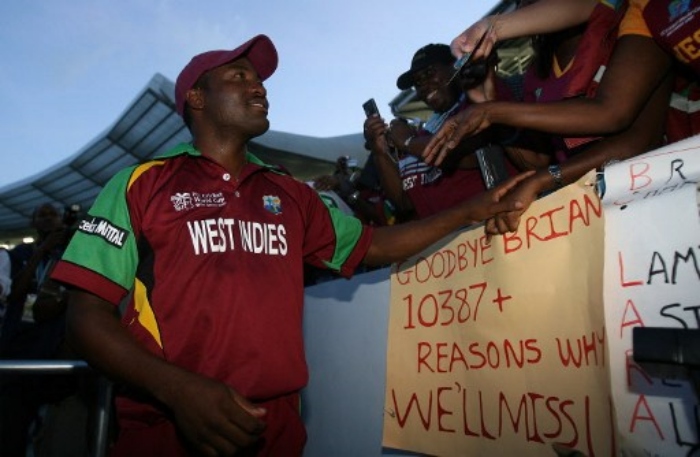
Lara’s glittering international career ended in a cruel run out and an unfortunate one-wicket defeat in the World Cup Super Eights match against England.
Copyright AFP 2017/ Prakash Singh.
What were the benefits to the region? Yes, stadia were being built and refurbished, but could we not use the moment to do something that would leave something substantial behind?
I asked many questions, perhaps too many, until Brancker asked me to set up a cultural committee to explore some of my suggestions.
The other day, I came across the paper I had presented, listing some of the initiatives that obviously seemed peripheral and unnecessary to the others.
Among them were proposals that could be incorporated into the overall directives guiding the work on stadia. I felt that the work of artists and artisans should define their look.
(via Madras Courier.)
Signage, for instance, instead of words painted onto rectangles, artisans could craft artistic renditions of the names of the stands. Perimeter walls could be festooned with murals.
Each territory would be distinctly West Indian by the general uniformity of the overall approach, but would still preserve the individual markers of each ground because the work would all be local designs and depictions.
Another proposal I’d made, the one that is relevant to this December drive, was for each territory to send out a national call for people to donate their personal memorabilia and photos and documents pertaining to West Indies cricket to form part of the museums that I thought should be included in every stadium (alongside gift shops). There were other ideas too, but sadly, they never made it past the table.
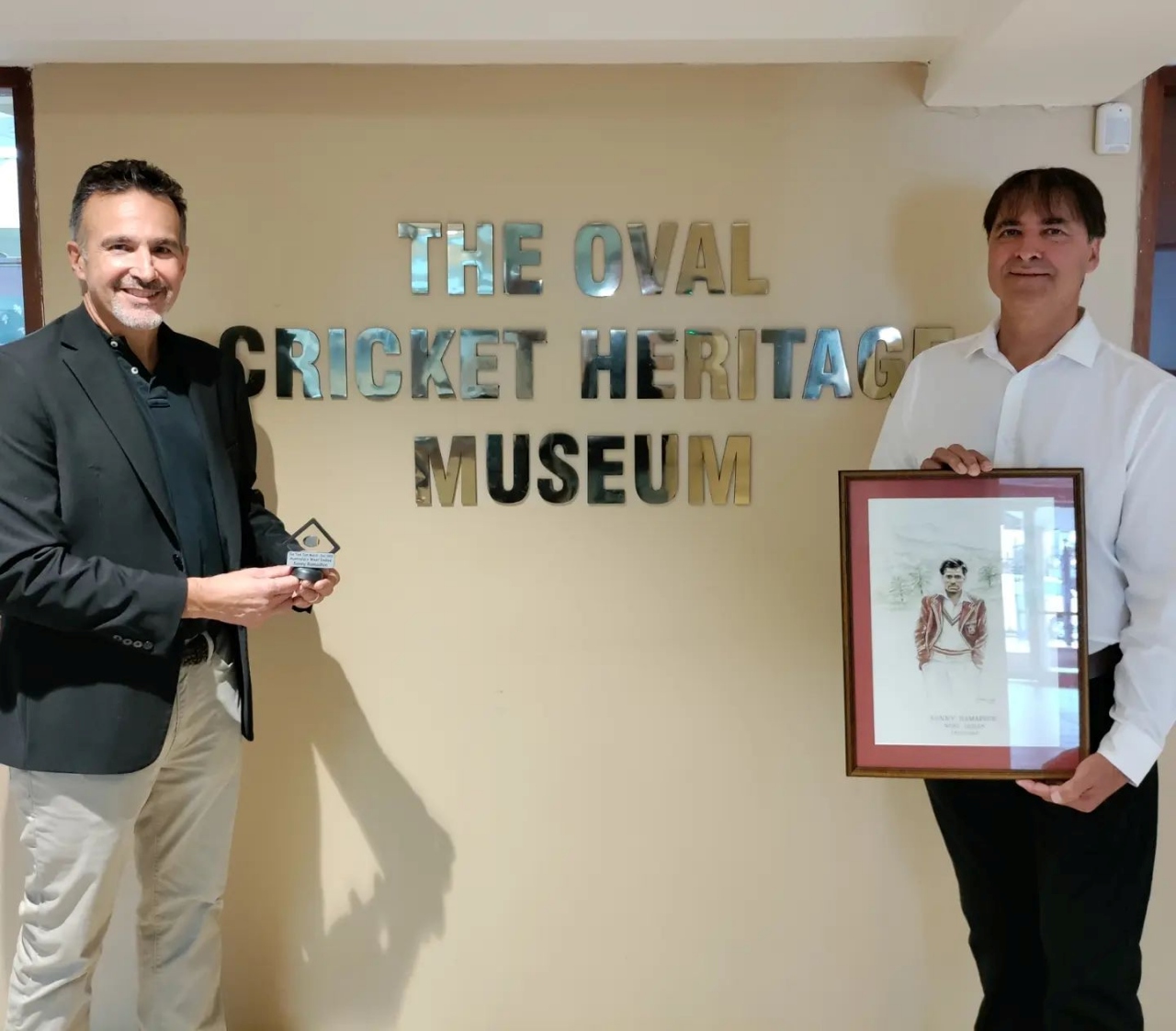
Photo: The Oval.
I still feel it was a lost opportunity for substantial investment in the way we see the development of West Indies cricket and how we could merge it into the cultural landscape in a lively, educational manner.
In my dry, optimistic way, as the NALIS team looked over the contents of Charles Merry’s historical treasure, it occurred to me that it would still be worth asking people to consider donating their cricket-related material to a place where it could be properly preserved and made accessible to the public.
I raised the idea with NALIS and with Queen’s Park Cricket Club, which is in the process of expanding its museum. They were both enthusiastic about the possibilities.
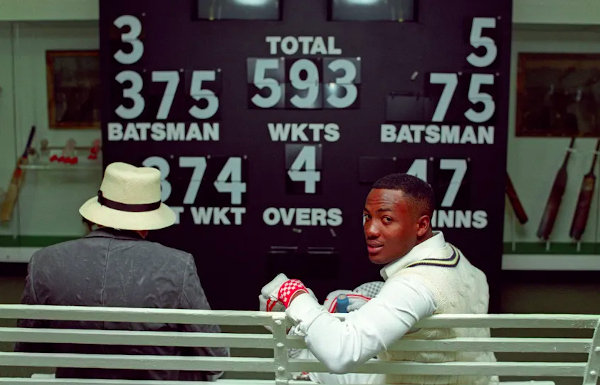
Lara would break the record again, 10 years later.
(Copyright ICC.)
Initially, I think that if people are willing to donate their material, they can take it to QPCC (because they won’t have to try to park in downtown Port of Spain or risk being wrecked), and at intervals, the NALIS and QPCC teams can examine the material to determine its worth. People can email me to get more information.
Naturally, the source of selected material would be credited, and legal documents will have to be signed. But it would be a small step to contribute to building valuable historical records.
Now that we’re cleaning our homes and clearing space, it’s worth giving ourselves a little something we could put into a time capsule—memories of the way we were.

I don’t recall ever seeing such a high level of apprehension in our space. Do you? It’s coming from a Read more
Thinking about the issue of belonging, I have been wanting to return to the subject of patriotism. I came across Read more

It’s not a local thing, not a Caribbean thing even. It’s more of a contemporary thing; this craving for brown Read more
This past week has seen graduation exercises at The University of the West Indies (UWI)—a batch of degreed people flowing Read more
A few days ago, Nemme McSweeney sent me the link to a YouTube video featuring the man behind Moruga Hill Read more

Off the top of my head, I can count 14 North American fast-food franchises thriving in Trinidad and Tobago. There Read more
Vaneisa Baksh is a columnist with the Trinidad Express, an editor and a cricket historian. She is the author of a biography of Sir Frank Worrell.